Room 902-904,9th FL,Jinhua business centre,No.61,1st Donghua road,Jiangmen city,Guangdong province,China +86-18128211598 [email protected]
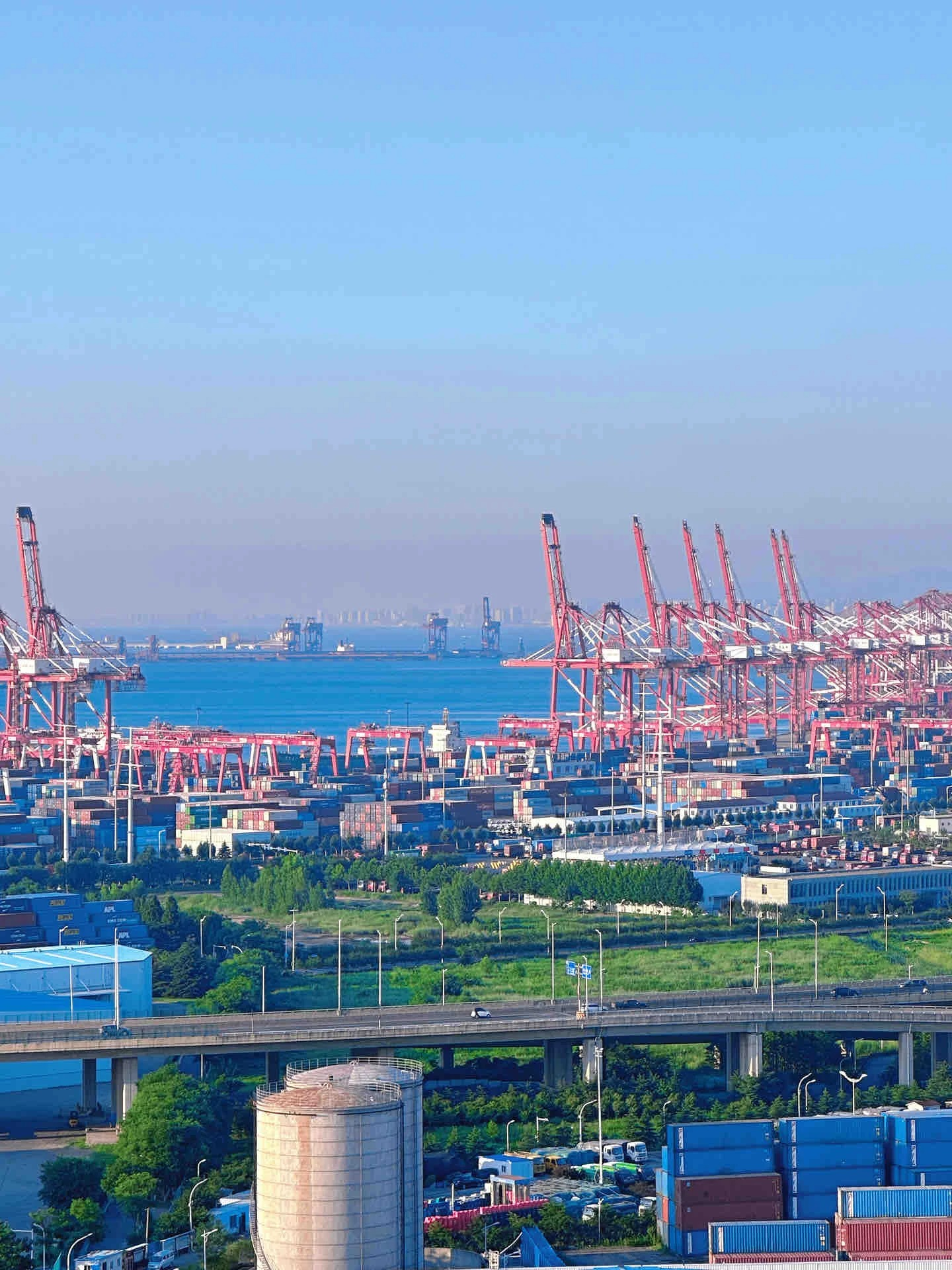
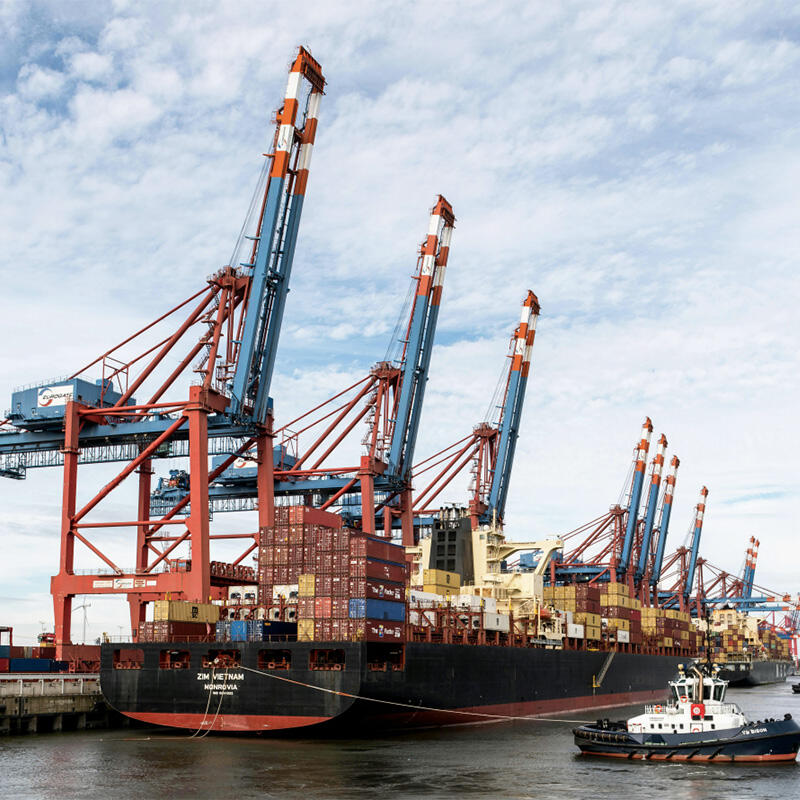
Route planning in the maritime sector is a complex, multi-faceted process that goes beyond simply charting the shortest path between two ports, involving a strategic analysis of operational efficiency, fuel consumption, safety, schedule reliability, and commercial viability. Expert route planning for feeder and short-sea shipping services requires a deep understanding of regional port capabilities, including berth availability, crane productivity, tidal restrictions, and pilotage services, to create realistic and robust sailing schedules. Planners must continuously monitor and incorporate real-time data on weather patterns, ocean currents, and potential piracy zones to ensure vessel safety, avoid delays, and optimize bunker consumption, which is a significant portion of voyage costs. In a dynamic global environment, effective route planning also involves contingency strategies for unforeseen disruptions such as port strikes, sudden congestion, or geopolitical tensions, allowing for quick rerouting to maintain service integrity. The development of a new shipping route is a calculated decision based on comprehensive market research, identified gaps in existing service coverage, and forecasted customer demand, often requiring close collaboration with local agents and port authorities. Advanced software tools utilizing algorithms for voyage optimization are now indispensable, enabling planners to simulate various scenarios, calculate estimated time of arrival (ETA) with high accuracy, and balance speed against fuel costs to achieve the most economical transit. For a neutral feeder company, strategic route planning is instrumental in building a dense and interconnected network that effectively links spoke ports with major transshipment hubs, providing essential connectivity for global carriers. This process is inherently linked to slot management, ensuring that planned routes have the necessary cargo commitments to be sustainable and profitable over the long term. Ultimately, superior route planning is a silent engine of competitiveness in the shipping industry, directly influencing transit times, operational costs, and the service's overall value proposition to shippers and carriers who depend on punctual and predictable feeder links.
Copyright © 2025 by PRIME INTERNATIONAL FREIGHT SERVICE LTD. - Privacy Policy