 EN
EN

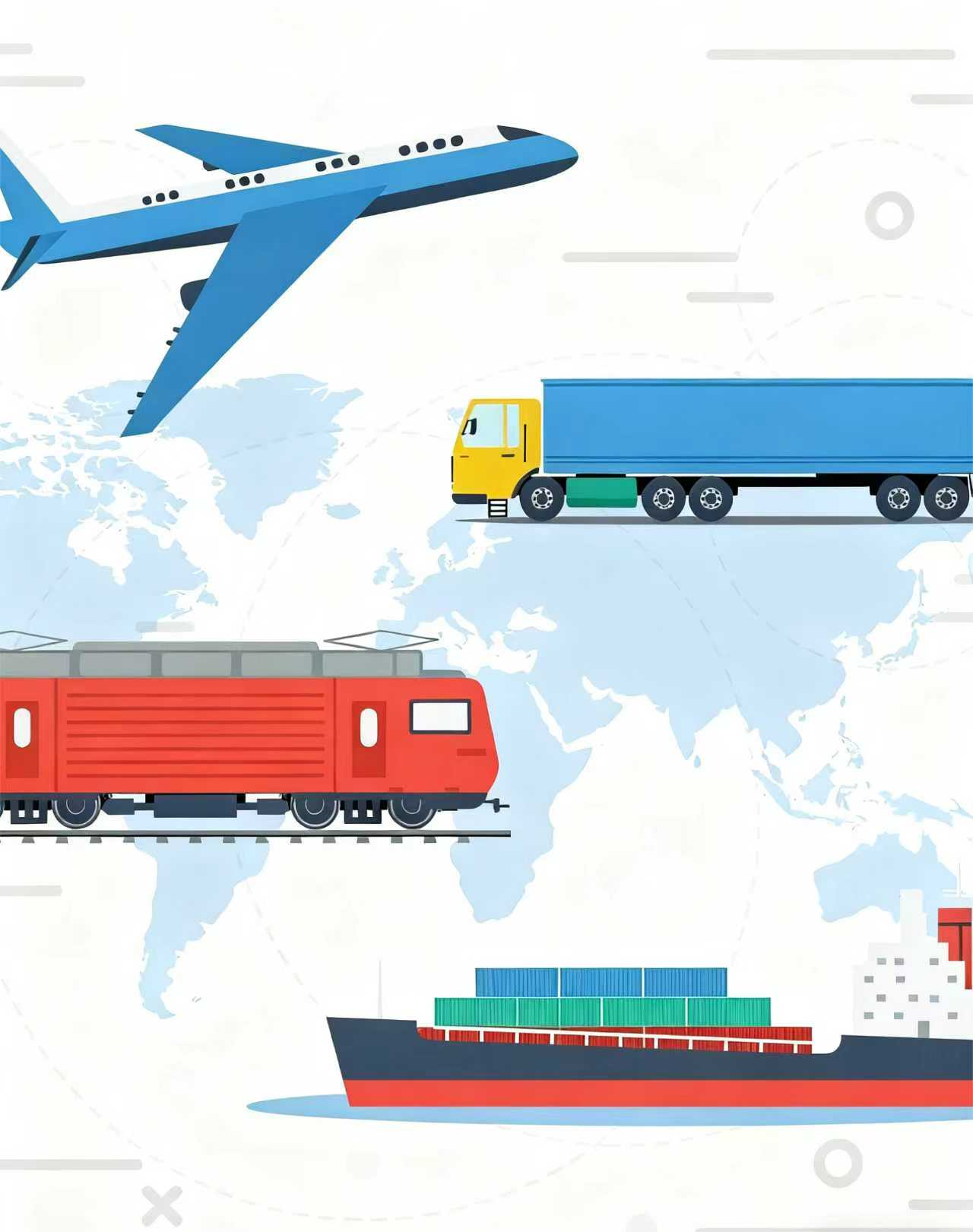
Understanding Flexible Shipping Options in Container Line Operations
Container shipping isn't what it used to be these days. Companies are ditching those old fixed schedules and predictable routes for something much smarter. We're seeing things like ships adjusting their speed depending on traffic at ports, rotating through multiple stops instead of just one or two, and giving special attention to time-sensitive shipments when needed. The latest tech is really changing the game too. With artificial intelligence helping plan routes, shipping companies can now tweak where and when vessels go based on actual conditions rather than guesswork. According to the 2024 Ocean Freight Forwarding Report, this approach has boosted on-time arrivals by around 17%. And let's not forget about those smart containers equipped with sensors. These boxes on the water constantly send back info about temperature changes, how humid it gets inside, even if they get bumped around during transit. For stuff like pharmaceuticals or fresh produce that needs careful handling, this kind of real time tracking makes all the difference between arriving fresh or spoiled.
How Global Supply Chain Disruptions Are Reshaping Container Line Expectations
The ongoing problems at ports and lack of shipping containers pushed about two thirds of companies to mix things up with both full container loads and partial container loads for their shipments. When supply chains were really struggling between late 2022 and early 2023, shipping companies that had relationships with different terminals saw their cargo wait times drop around a third compared to others stuck relying on just one main port. Because of this improved reliability, more businesses started looking into blockchain technology for bookings. These systems let multiple companies share container space together, which makes everything more transparent and easier to coordinate across the industry.
The Impact of Geopolitical Factors on Shipping Routes and Service Flexibility
The recent issues with canal blockages plus various trade restrictions have cut down available container space between Asia and Europe by about 12%. Because of this, shipping companies are now looking at different paths such as the Northern Sea Route or rail connections through India to the Middle East and then onto Europe. According to maritime experts, those companies that had smart fuel purchase deals at less busy ports actually saved around $23 per TEU (that's twenty-foot equivalent unit) when the Suez Canal problem happened in 2023. What we're seeing here is the shipping industry starting to seriously consider political risks when planning their regular operations, not just treating it as an afterthought anymore.
FCL vs LCL: Key Flexible Shipping Models in Container Line Logistics
Full Container Load (FCL) as a Scalable Solution for High-Volume Shippers
Full Container Load shipping gives companies their own dedicated container when they need to move more than 15 cubic meters or around 10 metric tons worth of goods. This makes sense for businesses that consistently ship large volumes. The risk of damage during handling drops by about 60 percent compared to when multiple shippers share a container. Transit times also tend to be 20 to maybe even 30 percent quicker since there's no waiting for other cargo to consolidate first. Industries like car makers and those dealing in bulk commodities really favor FCL because they know exactly what to expect with regards to delivery dates, and their products stay much safer throughout transport. Plus, fewer items get damaged in transit which saves money in the long run.
Less Than Container Load (LCL) for Cost-Efficient, Small-Volume Shipments
LCL shipping can cut costs anywhere between 40 to 65 percent for packages below 13 cubic meters since it combines cargo from several different senders into one shipment. The tradeoff? Delivery usually takes around 5 to 7 extra days because everything needs to be gathered first before heading out. Still, many small businesses and those operating seasonally find this approach works well when they need regular but modest amounts of goods delivered. According to some research published last year, nearly eight out of ten online retailers actually rely on LCL methods to keep their product range diverse, even though individual items end up costing a bit more to handle through these combined loads.
| Factor | FCL | LCL |
|---|---|---|
| Cost Efficiency | Economical above 15 CBM | Viable below 13 CBM |
| Transit Time | 20-30% faster | +5-7 days for consolidation |
| Risk Profile | 60% lower damage risk | Higher handling exposure |
| Best For | High-value, time-sensitive goods | Cost-driven partial shipments |
Role of Freight Forwarders and Container Freight Stations (CFS) in Consolidating LCL
Freight forwarders are essential for making LCL logistics work better because they bring together cargo at these Container Freight Station (CFS) locations. When goods get grouped efficiently, it cuts down on what companies pay per item shipped. Most of the paperwork for international LCL shipments goes through freight forwarders who handle about 92% of all those documents while also simplifying tricky customs processes. Sure, there's an extra cost involved with CFS handling somewhere between fifty to one hundred fifty dollars per shipment, but this setup actually opens doors for small businesses looking to ship products worldwide. Without such infrastructure, many smaller exporters would struggle against bigger players who typically use full container loads instead.
Cost Efficiency Through Flexibility in Container Line Operations
Reducing shipping costs with dynamic freight rate management
Top shipping companies are cutting their costs by around 12 to 18 percent each year thanks to smart systems that track freight rates in real time. These systems look at everything from fuel prices to port charges and how much space carriers have available. The algorithms behind them handle massive amounts of data worth about $74 billion every day just to find the cheapest ways to move containers across oceans. According to industry research published last year, businesses that adopt these technologies typically see their container costs drop by roughly 22% after just half a year of operation. For a company moving thousands of containers monthly, those savings can really add up over time.
Mitigating freight rate volatility through diversified carrier networks
Shippers who keep connections with around 8 to 12 different ocean carriers tend to handle sudden price jumps in specific regions much better when shipping peaks hit. Last year in the fourth quarter, companies using this approach managed to dodge about 75 percent of the crazy rate increases between Asia and Europe simply by moving roughly a third of their cargo through other routes instead. The numbers back this up too business owners dealing with at least three different carriers saw their freight costs swing up and down about 30% less compared to folks stuck with just one supplier according to some research published in Maritime Economics Journal last year.
Case study: Cost savings from route optimization and alternative shipping lanes
Back in January 2024, when ships were stuck in the Suez Canal for nearly two weeks straight, a group of European manufacturers had to think fast. They moved around 12,000 twenty-foot equivalent units (TEUs) through the Cape of Good Hope route thanks to some smart logistics software they'd been testing. While this alternative path added about $380k to shipping costs, it saved them roughly $2.1 million worth of potential losses because their factories wouldn't run out of critical components. The company's new AI tool looked at 47 different shipping options within just eight minutes flat, which turned out to be about 93 percent better than their old manual planning process. Of course, getting everyone on board with this technology took some time, but the numbers speak for themselves.
Route Optimization and Adaptive Rerouting in Global Container Line Services
Canal Congestion in Suez and Panama Disrupting Global Container Line Schedules
Major shipping lanes around the world are getting backed up more than ever before, disrupting traditional shipping schedules. Take the Suez Canal for example it had massive delays lasting over two weeks back in 2023 because of all sorts of operational snags. Meanwhile across the Pacific, ships passing through the Panama Canal ran into problems too. Draft restrictions there caused about a third drop in on-time arrivals for cargo heading from Asia to the East Coast of the United States according to the Maritime Efficiency Report released last year. What these issues show is that our current approach to maritime routes just isn't working anymore. We really need something more flexible if we want to keep global trade moving smoothly without constant interruptions.
Rerouting Strategies and Alternative Shipping Paths During Logistical Bottlenecks
Most shipping companies these days rely on smart rerouting systems that get their information from those little internet-connected sensors found on about 85 percent of ships out there. When things got backed up at the Suez Canal last year, folks had no choice but to send nearly a quarter of all European cargo around Africa instead. Sure, it added anywhere between seven to ten extra days to delivery times, but at least goods kept moving rather than sitting stuck somewhere. Looking at how transportation works overall, studies indicate that having good backup routes available cuts down on empty trips by roughly 18% whenever ports shut down for strikes or bad weather hits hard.
Case Study: Adaptive Routing During Red Sea Disruptions
Back in early 2024, one of the big shipping companies decided to send 12 ships around the Cape of Good Hope instead of through the Red Sea because of all those security issues going on there. They had their AI systems handle most of the adjustments automatically too, changing how fast each ship went and which ports they stopped at along the way. Even though these detours added about 12% to voyage lengths, the fleet still managed to keep roughly 89% of deliveries on schedule. The smart move saved them around $740k every week in potential fuel surcharges while also keeping about $2.1 million worth of food from going bad in those 43 refrigerated containers loaded with stuff like fresh produce and dairy products that need proper temperature control during transport.
Digital Twins and AI-Driven Logistics Enhancing Container Line Flexibility
About 85% of major shipping companies are now using digital twin tech for things like simulating port visits, checking how weather affects operations, and monitoring ship performance. According to Logistics Tech Analysis from last year, the market for optimizing shipping routes hit around 8.5 billion dollars in 2023. Artificial intelligence has made quite an impact here too, helping ships save about 9% on fuel costs just by adjusting speeds smartly. Some advanced machine learning programs can actually spot where traffic jams might happen at sea ports as much as two weeks ahead of time, and they get this right about 87 out of 100 times. This kind of foresight lets companies change their schedules before problems even start happening.
Building Resilience With Flexible Contingency Planning in Container Line Networks
Forward-thinking operators maintain 3–5 validated alternate routes per trade lane, updated quarterly using historical disruption data. Hybrid fuel contracts covering 15% of fleet capacity allow rapid switching between LNG and conventional bunkers during supply shocks. These contingency measures contributed to a 73% faster recovery from unexpected disruptions in 2023 compared to 2020 baselines.
Integrated Logistics and Network Diversification for Modern Container Line Success
Logistics Integration Strategies Enhancing End-to-End Visibility in Container Lines
Today's integrated logistics platforms are connecting data from all sorts of places including ports, shipping companies, and even government agencies handling customs stuff. These systems give companies about 78 percent better visibility into where their shipments actually are compared to old school tracking methods according to Logistics Technology Review back in 2024. The big players in the industry have started using artificial intelligence for monitoring cargo movements which helps them figure out where containers need to go next and has reduced those costly empty trips back by around 40%. When something goes wrong with bad weather hitting shipping lanes or workers going on strike at key terminals, having real time information means companies can react before problems get worse instead of just reacting after everything falls apart.
Building Diversified Carrier Networks to Prevent Single-Point Failures
Global shipping companies are adapting fast to today's tricky situation with political issues and transportation snarls. About 63 percent of them actually worked with at least four different shipping companies last year. Why? Because relying on just one route through places like the Panama Canal isn't safe anymore. When there are problems or blockages somewhere, having multiple options keeps things moving. Take container shipping for instance. Those who maintain good ties with big international carriers as well as smaller local ones noticed something interesting. During those nasty labor fights on the West Coast in 2023, their ships experienced around 22% fewer delays compared to others. Makes sense really when looking at how complex modern supply chains have become.
Future Trend: Seamless Intermodal Connectivity in International Container Line Services
Container shipping companies are now combining sea transport with trains, trucks, and planes all on one digital platform. The latest industry report shows something interesting: when ships automatically transfer cargo to rail systems, it cuts down waiting time at ports from around 8 hours to just over 2. That's a big deal for anyone dealing with tight schedules. Some companies already using these systems have seen about 17% less spending because smart software can switch transportation modes while containers are still moving. This happens based on current prices, weather forecasts, and delivery deadlines. We're seeing something pretty remarkable happen here. Global supply chains aren't just getting faster, they're becoming smarter and more flexible as technology keeps improving how goods move across borders.
FAQ Section
What are flexible shipping options in container line operations?
Flexible shipping options refer to the ability to adjust ship speeds, rotate through multiple stops, and prioritize time-sensitive shipments using technology and AI for route planning.
How are geopolitical factors affecting container shipping routes?
Geopolitical factors, including canal blockages and trade restrictions, are prompting companies to explore alternative routes such as the Northern Sea Route and rail connections, and to consider political risks in their operations.
What are the differences between FCL and LCL shipping models?
FCL (Full Container Load) offers a dedicated container for large shipments, reducing handling risks and allowing faster transit times. LCL (Less Than Container Load) combines shipments from various senders, offering cost savings for smaller volumes but with longer delivery times.
How can companies reduce shipping costs?
Companies reduce shipping costs by using dynamic freight rate management systems to track prices in real time and by maintaining diversified carrier networks to mitigate volatility.
How do digital twins and AI contribute to container line flexibility?
Digital twins simulate operations to predict conditions, while AI optimizes routes, helps adjust speeds, and forecasts port traffic jams for smarter and flexible operations.
Table of Contents
- Understanding Flexible Shipping Options in Container Line Operations
- How Global Supply Chain Disruptions Are Reshaping Container Line Expectations
- The Impact of Geopolitical Factors on Shipping Routes and Service Flexibility
- FCL vs LCL: Key Flexible Shipping Models in Container Line Logistics
- Cost Efficiency Through Flexibility in Container Line Operations
-
Route Optimization and Adaptive Rerouting in Global Container Line Services
- Canal Congestion in Suez and Panama Disrupting Global Container Line Schedules
- Rerouting Strategies and Alternative Shipping Paths During Logistical Bottlenecks
- Case Study: Adaptive Routing During Red Sea Disruptions
- Digital Twins and AI-Driven Logistics Enhancing Container Line Flexibility
- Building Resilience With Flexible Contingency Planning in Container Line Networks
- Integrated Logistics and Network Diversification for Modern Container Line Success
-
FAQ Section
- What are flexible shipping options in container line operations?
- How are geopolitical factors affecting container shipping routes?
- What are the differences between FCL and LCL shipping models?
- How can companies reduce shipping costs?
- How do digital twins and AI contribute to container line flexibility?