 EN
EN

The Strategic Role of Railway Transportation in Multimodal Logistics
Understanding Multimodal Logistics: Definition and Framework
Multimodal logistics brings together different transportation methods like rail, road, sea, and air all under one contract, which helps make things run better and saves money overall. The system works well because trains are great for moving goods over long distances, whereas trucks handle those tricky final deliveries to customers' doorsteps. Research published in Nature back in 2023 showed something interesting too. They discovered that companies using these combined transport approaches cut down their running costs between 18% and 22% when compared to businesses sticking with just one type of transport. That kind of saving really highlights why incorporating rail into today's complex supply networks makes such good business sense.
The Evolving Role of Railway Transportation in Integrated Supply Chains
Rail freight’s share of European cargo increased by 7.5% from 2018 to 2023, fueled by automation and digital tracking advancements. According to PR Newswire, autonomous train technology could cut transit times by 30% by 2029, reinforcing rail as a core component of sustainable, high-efficiency logistics networks.
Railway Transportation in Logistics Networks: Modal Share and Growth Trends
| Metric | Road Freight | Rail Freight |
|---|---|---|
| Carbon Emissions/ton | 67g CO₂/km | 22g CO₂/km |
| Cost per ton-mile | $0.18 | $0.07 |
Source: International Transport Forum, 2023
Rail handles 17% of global freight tonnage but contributes only 6% of logistics-related emissions, positioning it as a vital lever for decarbonizing supply chains.
Clarifying Intermodal vs. Multimodal Transportation
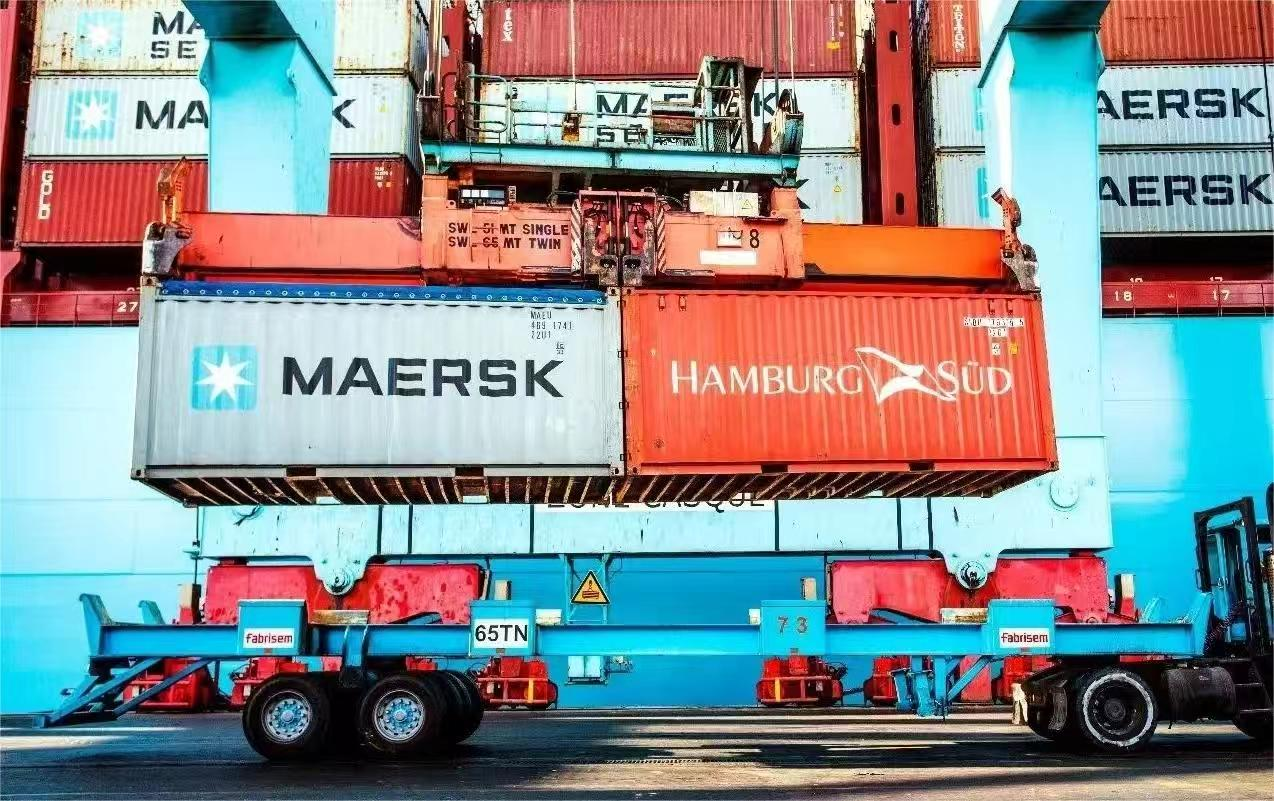
While intermodal transport uses standardized containers across different modes under separate contracts, multimodal solutions operate under one provider with unified coordination. Rail dominates intermodal container movement, managing 43% of cross-continental traffic, and serves as the backbone for bulk freight transfers between seaports and inland distribution hubs within multimodal frameworks.
Seamless Integration of Rail with Road and Other Modes
Effective railway integration hinges on coordinated infrastructure, standardized protocols, and intelligent scheduling. By combining rail’s long-haul efficiency with road’s delivery flexibility, modern logistics networks achieve 18–32% cost savings.
Principles of Rail–Road Intermodal Integration
Successful integration depends on interoperable loading gauges, unified cargo tracking, and synchronized timetables. In Europe, rail-road intermodal terminals located within 150 km of industrial centers have reduced trucking distances by 65% without compromising delivery timelines.
Case Study: Successful Rail-Road Freight Integration in Europe
The Rhine-Alpine Corridor achieved a 41% reduction in carbon emissions and a 27% increase in freight volume between 2019 and 2023 through:
- Automated transshipment yards with transfer times under 30 minutes
- Dynamic pricing aligning rail capacity with road market rates
- Cross-border customs pre-clearance systems
This strategic rail-road integration shortened average transit times by 19% compared to single-mode operations.
Synchromodality in Supply Chains: Enhancing Responsiveness Through Rail
Forward-thinking providers now use rail as a dynamic capacity buffer, shifting 15–40% of cargo between modes in real time based on fuel prices, congestion, and weather disruptions. This adaptive approach reduced emergency trucking surcharges by 58% for manufacturers using digital twin-enabled multimodal networks.
Key Advantages of Railway Transportation in Sustainable Supply Chains
Freight Rail Efficiency and Cost Reduction: Industry Benchmarks
Trains can haul a single ton of stuff over 740 km on just one liter of fuel, which is actually four times better than what trucks manage according to Freytworld's 2024 report. The bottom line? Freight companies save between 40 to 60 percent on their transportation costs per ton mile when shipping heavy stuff like steel beams or grain shipments. Most modern railway systems clock in at around 95% reliability for their freight schedules too. That kind of consistency really cuts down how much money businesses have to spend keeping extra stock in storage facilities waiting for deliveries, something that keeps happening with road transport where delays are far more common.
Logistics Cost Savings Through Railway Transportation: Real-World Data
Companies using rail-road intermodal strategies report 18–27% annual logistics cost reductions. A 2024 analysis of European supply chains showed firms routing over 30% of freight by rail saved $2.4 million annually on fuel and reduced carbon taxes by 34%. With digital tracking now providing 89% shipment visibility, last-mile coordination costs have dropped by up to 15%.
Environmental Performance: Climate Benefits of Shifting to Rail
Rail emits 76% less greenhouse gas per ton-mile than trucking, and electric locomotives in Scandinavia operate at near-zero emissions (Bringoz, 2024). Redirecting 25% of North American road freight to rail could eliminate 48 million metric tons of CO₂ annually–equivalent to taking 10.3 million cars off the road.
Building Green Freight Systems With Railway Transportation Integration
Top-performing supply chains combine rail with renewable-powered warehouses and AI-driven routing, accelerating carbon reduction by 52% compared to single-mode approaches. According to the Global Rail Sustainability Initiative, companies integrating rail into multimodal networks meet ESG targets 3.2 years faster than industry peers.
Overcoming Barriers to Widespread Rail Utilization
Common challenges in intermodal rail integration
The state of our rail systems is still pretty bad actually, with around 40 percent of all tracks worldwide in need of serious work just to handle today's freight traffic according to World Bank data from 2025. The problem gets worse when looking at how passenger trains and freight haulers share the same tracks without proper coordination, plus there's this whole mess with different countries having their own clearance requirements which makes international shipping a nightmare. Money is another big hurdle too. For poorer nations trying to build new electric rail lines, the price tag comes out to about $2.8 million for every single kilometer they lay down. That kind of money simply isn't available for most places right now.
Infrastructure gaps vs. policy inertia: A critical analysis
Seventy three percent of G20 countries have rail expansion on their agendas, but just about a third actually connect these plans to broader logistics networks. What happens? New rail lines often terminate at inland ports where there's no automation for transferring cargo between different transport modes. And let's not forget what logistics professionals are saying either. Around sixty two percent point fingers at erratic government subsidies as a major roadblock when trying to switch from road to rail transport. These patchy policies create real headaches for companies looking to invest in better infrastructure, since nobody wants to pour money into projects that might get axed by sudden changes in funding rules.
Improving coordination across transport modes
Breaking down those operational silos means getting good digital collaboration tools in place. Some forward thinking transportation companies have started using blockchain for cargo tracking, which actually connects rail systems, trucks on the road, and warehouse operations all at once. Take a look at what's happening with the EU's Trans European Transport Network (TEN-T). They've managed to cut down those frustrating delays between different transport modes by almost 30% just by standardizing how data gets shared across systems. The top performers in this space aren't just throwing technology at problems though. They combine Internet of Things platforms that give real time visibility with properly formatted documents that everyone in the supply chain can understand. This makes it possible to move goods from factory floor straight to customer doorstep without all the usual headaches.
Modernizing Railway Infrastructure to Enable Multimodal Success
Global Trends in Railway Infrastructure Modernization (G20 Focus)
The G20 nations are at the forefront when it comes to upgrading their rail systems and making different transportation modes work better together. According to some projections from the World Bank for 2025, around two hundred billion dollars per year would be necessary worldwide just to fill existing capacity shortfalls. About forty percent of this money would go toward electrifying trains and improving major transport routes. Looking at what's happening on the ground, Germany and Japan stand out as real success stories. These countries have been building these intelligent intermodal hubs where goods can switch between different transport methods much faster than before. The results? Transshipment delays have dropped somewhere between 18 and maybe even 22 percent in some cases, which makes a big difference for logistics companies trying to keep things moving smoothly across borders.
Investment Needs and ROI in Rail for Multimodal Logistics
Modern rail infrastructure delivers strong returns through lower logistics costs. Projects linking ports to inland terminals via dedicated freight lines typically achieve payback within 12–15 years, reducing last-mile trucking expenses by up to 34%. However, funding remains a challenge–only 30% of required modernization capital comes from public-private partnerships (Global Infrastructure Hub, 2025).
Digital Transformation: IoT and Digital Twins in Rail Logistics
Operators increasingly rely on IoT sensors and digital twins to simulate and optimize network performance, achieving 30% gains in multimodal transfer efficiency. Real-world deployments combine AI-driven predictive maintenance with automated yard management, slashing terminal dwell times by 41% (PwC, 2024). These technologies enable responsive rerouting during disruptions while maintaining schedule accuracy within 2%.
Frequently Asked Questions (FAQ)
What is multimodal logistics?
Multimodal logistics refers to the integration of different transportation methods under a single contract to improve efficiency and reduce costs.
How does railway transportation impact the environment compared to road freight?
Railway transportation emits significantly less CO₂ per ton-mile than road freight, making it a more environmentally friendly option.
What are the challenges faced in intermodal rail integration?
Intermodal rail integration faces challenges such as outdated infrastructure, lack of coordination between passenger and freight services, and varying international clearance requirements.
Why is railway infrastructure modernization important?
Modernizing railway infrastructure is crucial for enhancing multimodal logistics efficiency, reducing transshipment delays, and achieving sustainability goals.
Table of Contents
- The Strategic Role of Railway Transportation in Multimodal Logistics
- Seamless Integration of Rail with Road and Other Modes
- Key Advantages of Railway Transportation in Sustainable Supply Chains
- Overcoming Barriers to Widespread Rail Utilization
- Modernizing Railway Infrastructure to Enable Multimodal Success
- Frequently Asked Questions (FAQ)