 EN
EN

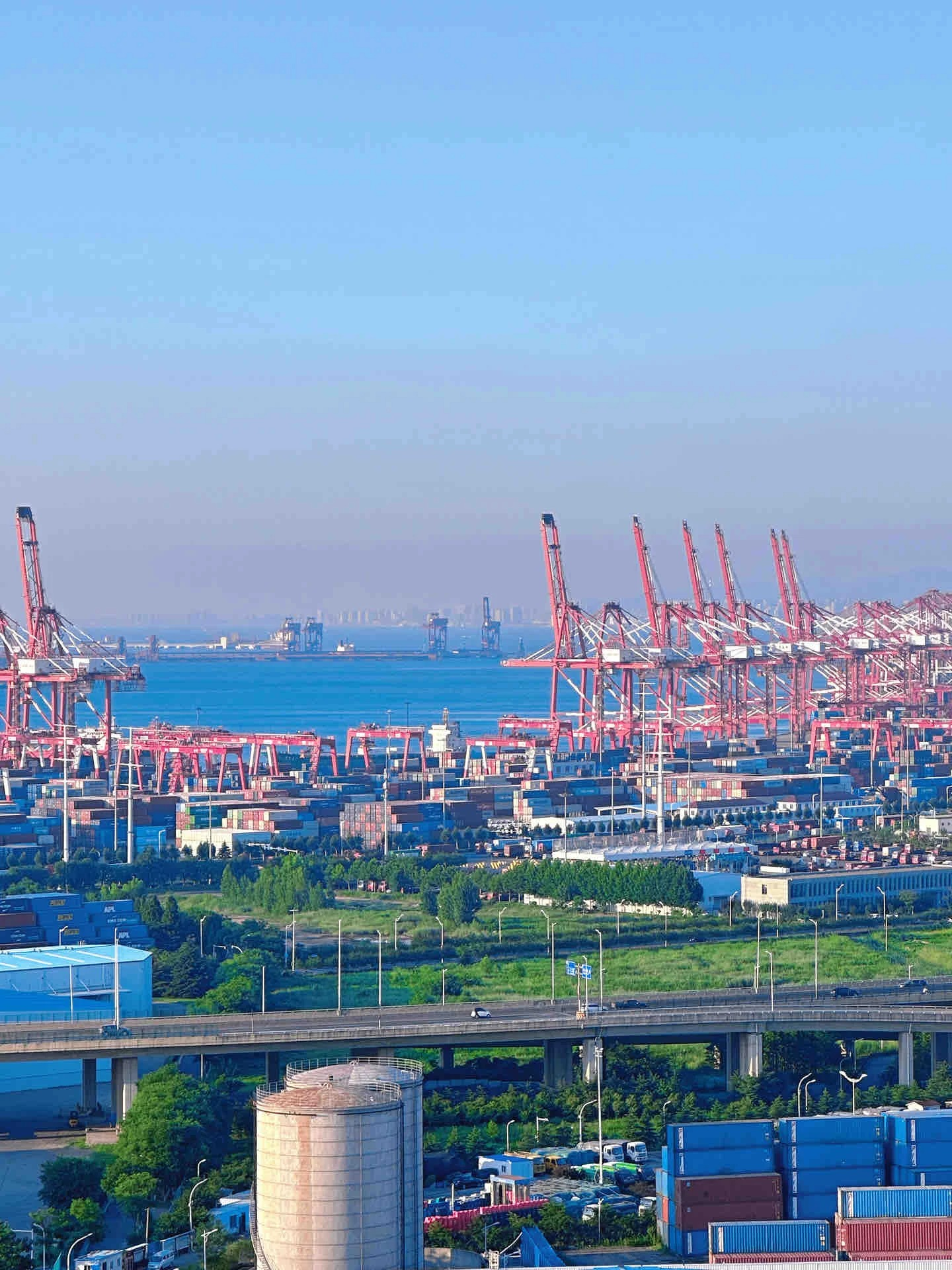
Cost Efficiency Through Shared Container Usage and Consolidated Logistics
Reducing freight costs by avoiding full container rentals with shared neutral containers
Shared neutral container services eliminate the financial burden of dedicated container ownership by enabling multiple shippers to share standardized units. This approach reduces empty container repositioning costs by 34% compared to traditional leasing models (ICHC, 2023), while maintaining compatibility with rail, truck, and maritime shipping infrastructure.
Bulk shipment savings via consolidated pricing and multi-shipper load optimization
Leading providers now offer three-layer consolidation models:
- Multi-client container sharing for partial shipments
- Route-based cargo pooling across supply chain partners
- Dynamic pricing aligned with real-time capacity utilization
This strategy decreases per-unit transport costs by up to 22% through optimized load planning, according to a 2023 freight consolidation analysis.
Minimizing handling expenses through centralized warehousing and cargo consolidation
Centralized cross-docking facilities reduce cargo touches by 41% compared to fragmented logistics networks. Standardized container dimensions enable automated sorting systems that process 23% more volume per hour than manual operations, based on intermodal efficiency benchmarks.
Data-backed results: Average 18% reduction in transportation costs (ICHC, 2023)
A 2023 study of 127 manufacturing companies revealed:
| Metric | Before Neutral Containers | After Implementation |
|---|---|---|
| Empty Miles | 29% | 11% |
| Damage Claims | 4.7% | 1.9% |
| Customs Delays | 12.8 hrs | 6.3 hrs |
Hidden fees alert: Evaluating transparency in low-cost neutral container agreements
24% of shippers report unexpected charges in container sharing contracts, primarily from insurance surcharges (38%), cleaning fees (29%), and equipment balancing penalties (21%). Always verify fee structures against the ICHC's standardized service checklist before commitment.
Global Reach Enabled by Standardized, Intermodal Container Networks
Seamless International Access Through Intermodal Transport Compatibility
Standardized containers used in neutral container services really cut down on those pesky logistics problems because they work with pretty much everything - ships, trucks, and trains alike. The fact that these containers fit across different transport modes means goods can cross international borders without needing to be packed again, which saves a lot of time during transport. Some estimates suggest transit times drop around 30% when using this system instead of old fashioned methods that only work for one type of transport. What's more, moving cargo between sea going ships and train systems happens fast enough that perishable goods and other time sensitive products stay fresh throughout their journey. This kind of flexibility is especially important for food suppliers and pharmaceutical companies where timing literally makes or breaks business operations.
Standardization Across Shipping, Rail, and Trucking for Versatile Container Deployment
Uniform container dimensions (20’ and 40’) and corner casting designs ensure secure stacking and handling across all transport modes. Rail operators report a 22% improvement in loading efficiency at intermodal hubs since adopting these standards. Such consistency reduces equipment incompatibility issues, which previously caused 15% of cross-border shipment delays.
Case Study: How SMEs in Southeast Asia Expanded Market Reach Using Public Container Pools
Vietnamese food producers from the Mekong Delta region have started working with independent container companies to get their goods into Europe. When these small businesses combine their cargo with others in the area, they manage to send containers every week from Ho Chi Minh City all the way to Rotterdam. Before this arrangement, getting enough volume for regular shipments was almost impossible for most small operations because shipping companies required minimum loads that individual farmers simply couldn't meet on their own. The results speak for themselves though. After putting this system in place last year, total export income jumped by nearly two thirds compared to previous levels, showing just how effective this collaborative approach has been for expanding market reach.
Trend Analysis: Growth in Transcontinental Trade Routes Powered by Neutral Container Services
The China-Europe rail line has experienced quite a surge in neutral container traffic over the past few years, jumping around 40% since 2021 actually. What's behind this trend? Well, it seems to go hand in hand with how trade systems have become more interconnected lately. Standardized shipping containers have made it possible for small businesses to get into markets that were previously only accessible to big global companies. And interestingly enough, new rail paths across parts of Africa and Central Asia are starting to follow similar patterns too. These regions are experimenting with their own versions of container-based logistics networks, adapting to changing market demands as they develop their infrastructure.
Improved Cargo Security and Integrity During Transit
Advanced Security Features in Neutral Container Fleets
Modern neutral container services prioritize cargo protection through multi-point locking mechanisms, reinforced walls, and RFID access controls. Real-time monitoring detects atypical vibrations or temperature fluctuations, triggering instant alerts for high-risk shipments. These systems comply with ISO 17712 standards, ensuring global freight security across transport corridors.
Reduced Damage Risk Through Standardized Loading and Handling Protocols
Companies rely on standard operating procedures when packing containers and moving them around to keep things from getting damaged. Proper weight distribution is key too since uneven loads can shift during transport and cause problems. And let's not forget the certified forklift operators who handle those big containers between different transportation modes safely. According to a recent Supply Chain Security Report from 2023, following these established protocols cuts down on damage claims by roughly 23 percent compared to just winging it. Pretty impressive numbers overall. Some container pooling operations that stick strictly to these best practices have managed an amazing 98.6% rate of deliveries without any incidents at all.
Best Practices: Tamper-Proof Seals and GPS Tracking for High-Value Shipments
When shipping sensitive goods, those double layer seals with their own special serial numbers make it obvious when someone tries to mess around with the package. Throw in some GPS tracking technology and suddenly shippers can watch where their stuff goes in real time, getting alerts if anything strays off course. The numbers speak for themselves too - companies transporting expensive electronics reported about a 40% decrease in attempted tampering after they started using these combined security methods according to last year's study on logistics tech trends. And let's not forget about those central control panels that help manage security issues no matter what kind of transportation method is being used. These systems really bring everything together during emergencies.
Operational Flexibility with On-Demand Storage and Distribution Solutions
Overcoming port congestion with public and neutral storage infrastructure
When terminals get backed up because of disruptions, public storage yards and neutral container depots become real lifesavers for shippers trying to keep things moving. Companies that use these shared spaces located close to big ports actually cut down on how long containers sit around waiting by about a third according to some industry reports from the International Labour Organization. These areas act like holding pens where cargo can wait safely until trucks or trains are ready to take them inland. This helps avoid massive backups when there's a strike at the docks or bad weather hits the coast.
Cargo consolidation from multiple shippers for efficient outbound logistics
Neutral container services enable cost-effective groupage shipments by combining partial loads from different suppliers. This reduces empty container repositioning costs and maximizes vessel space utilization. Third-party logistics providers achieve 23% higher truckload utilization through coordinated multi-client shipping schedules versus single-operator approaches.
Meeting e-commerce demands: Rising need for flexible, scalable warehousing
The 78% year-over-year growth in cross-border e-commerce requires dynamic storage solutions that adapt to unpredictable inventory flows. Neutral container hubs support just-in-time models through:
- Short-term container leasing (24hr–30day terms)
- Rapid deployment of pop-up distribution centers
- Modular storage systems that reconfigure within hours for seasonal peaks
Strategic advantage: Decoupling storage from ownership to boost agility
By using shared container pools instead of private fleets, companies convert fixed infrastructure costs into variable operational expenses. This flexibility enables faster adaptation to geopolitical shifts or trade regulation changes, with early adopters reporting 40% faster supply chain reconfiguration during crises.
End-to-End Visibility and Control via Integrated Container Management Systems
Real-time booking, tracking, and management platforms improving shipment transparency
Today's neutral container services rely on smart platforms that track containers in real time from where they start their journey all the way to their final stop. These systems combine GPS information with regular updates about what's happening inside each container. About four out of five big ports now use similar systems, which lets shipping companies check exactly where their goods are and get warnings when delays might happen, all through one easy dashboard. The numbers tell a story too. Shippers who started using these tools back in 2023 saw a huge drop in how often they had to call carriers for updates on their cargo. Some reports say this cut down on those calls by nearly three quarters thanks to online portals provided by the International Container Handling Company.
Faster customs clearance through digital documentation and compliance integration
Automated systems prefill customs forms using verified shipment data, cutting processing times by 32% compared to manual submissions. A 2023 global trade analysis found blockchain-based document sharing reduced customs holds by 41% for high-compliance risk shipments. Platforms now validate HS codes and duty calculations during booking, minimizing border delays.
Efficient transfers at intermodal hubs enabled by system interoperability
Standardized API connections between ports, rails, and truckers enable real-time schedule synchronization during handoffs. At Rotterdam's Maasvlakte II terminal, system interoperability reduced equipment idle times by 28% through automated crane-to-truck assignments. Cross-platform visibility allows carriers to optimize chassis deployments based on real-time container flow data.
Industry challenge: Bridging the gap between advanced tracking tech and uneven carrier adoption
While 92% of global carriers offer API tracking, only 58% of regional operators support IoT integrations (ICHC 2023). This forces shippers to maintain dual tracking systems, negating 37% of potential efficiency gains from neutral container platforms. Technology subsidies and phased adoption roadmaps are emerging to close this capability gap.
FAQ - Frequently Asked Questions
What are shared neutral containers?
Shared neutral containers refer to a system where multiple shippers share standardized container units, reducing the need for dedicated container ownership and lowering repositioning costs.
How do neutral container services improve logistics efficiency?
Neutral container services optimize logistics by standardizing container dimensions across transport modes, enhancing intermodal compatibility, and reducing empty container repositioning costs.
What are the advantages of using integrated container management systems?
Integrated container management systems offer real-time tracking and booking, allowing for improved shipment transparency and faster customs clearance through digital documentation.
How can companies ensure transparency in container sharing contracts?
To ensure transparency, companies can verify fee structures against standardized service checklists provided by organizations like the ICHC before signing contracts.
Table of Contents
-
Cost Efficiency Through Shared Container Usage and Consolidated Logistics
- Reducing freight costs by avoiding full container rentals with shared neutral containers
- Bulk shipment savings via consolidated pricing and multi-shipper load optimization
- Minimizing handling expenses through centralized warehousing and cargo consolidation
- Data-backed results: Average 18% reduction in transportation costs (ICHC, 2023)
- Hidden fees alert: Evaluating transparency in low-cost neutral container agreements
-
Global Reach Enabled by Standardized, Intermodal Container Networks
- Seamless International Access Through Intermodal Transport Compatibility
- Standardization Across Shipping, Rail, and Trucking for Versatile Container Deployment
- Case Study: How SMEs in Southeast Asia Expanded Market Reach Using Public Container Pools
- Trend Analysis: Growth in Transcontinental Trade Routes Powered by Neutral Container Services
- Improved Cargo Security and Integrity During Transit
- Operational Flexibility with On-Demand Storage and Distribution Solutions
-
End-to-End Visibility and Control via Integrated Container Management Systems
- Real-time booking, tracking, and management platforms improving shipment transparency
- Faster customs clearance through digital documentation and compliance integration
- Efficient transfers at intermodal hubs enabled by system interoperability
- Industry challenge: Bridging the gap between advanced tracking tech and uneven carrier adoption
- FAQ - Frequently Asked Questions