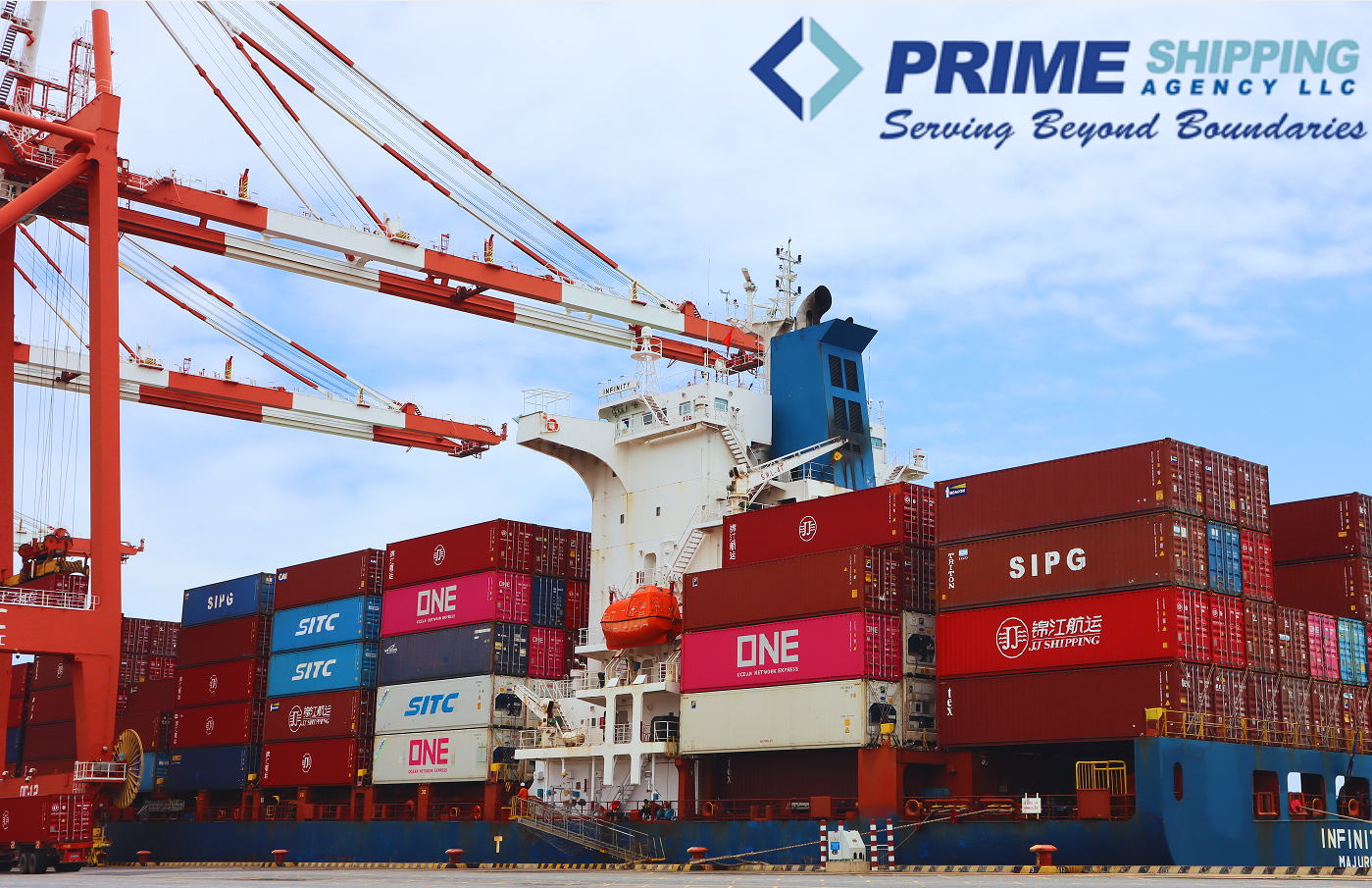
PRIME SHIPPING: Neutral Global Logistics with 30% Cost Savingsowned container customized slot solution

Get a Free Quote

Our representative will contact you soon.
Email
Mobile/WhatsApp
Name
Company Name
Message
0/1000
PRIME SHIPPING’s 40+ Global Ports: Boosting Shipping Industry Connectivity

PRIME SHIPPING’s 40+ Global Ports: Boosting Shipping Industry Connectivity

PRIME SHIPPING strengthens the shipping industry by covering over 40 ports worldwide, spanning Far East Asia, the Middle East, South America, Europe, Africa, and Australia. It provides direct maritime links from major Chinese ports (Xingang, Qingdao, Nansha) to key destinations like Djibouti, Saudi Arabia, Cuba, and Venezuela. These port connections, combined with integrated sea/air/road freight solutions, ensure seamless global cargo flow—critical for the shipping industry’s need for widespread, reliable connectivity. The company’s ability to optimize routes based on port networks further supports efficient, cost-effective shipments, meeting the shipping industry’s requirement for global reach.
Get A Quote

Advantages of the product

Global Route Coverage: Connecting Key Markets Across Continents with Expanding Reach

With a global network spanning over 40 ports worldwide, the service covers major economies in East Asia (China, Japan, South Korea), Southeast Asia, the Indian Subcontinent, the Middle East, and extends to Europe, Africa, Australia, and the Americas. Leveraging its own container fleet and robust international agency network, it facilitates seamless transshipment and route planning, ensuring efficient cargo flow between China’s major ports (Xingang, Qingdao, Nansha, Ningbo, Da Chan Bay) and key destinations like Djibouti, Saudi Arabia, Egypt, Cuba, and Venezuela. The continuous expansion into emerging markets in Europe and Africa further enhances its ability to meet the evolving global shipping demands of businesses across industries.

Customized Logistics Solutions: Tailored to Diverse Business Needs, Including FBA and Specialized Cargo

Tailored to diverse business needs, the service designs dedicated shipping solutions for different regions and cargo types. For Southeast Asia routes, it integrates ocean freight with local customs clearance resources to accelerate transit times by 20% above industry averages. For Amazon sellers, it provides end-to-end FBA services—covering domestic warehousing, labeling, overseas shipping, and return logistics—while ensuring full compliance with Amazon’s requirements. During peak seasons or port congestion, proactive contingency plans guarantee on-time delivery of containers, helping clients avoid penalties. Specialized container options (Open Top, Flat Rack, SOC, Tank containers) further cater to unique cargo needs, from household items to project goods, ensuring safe and efficient transport.

Related products

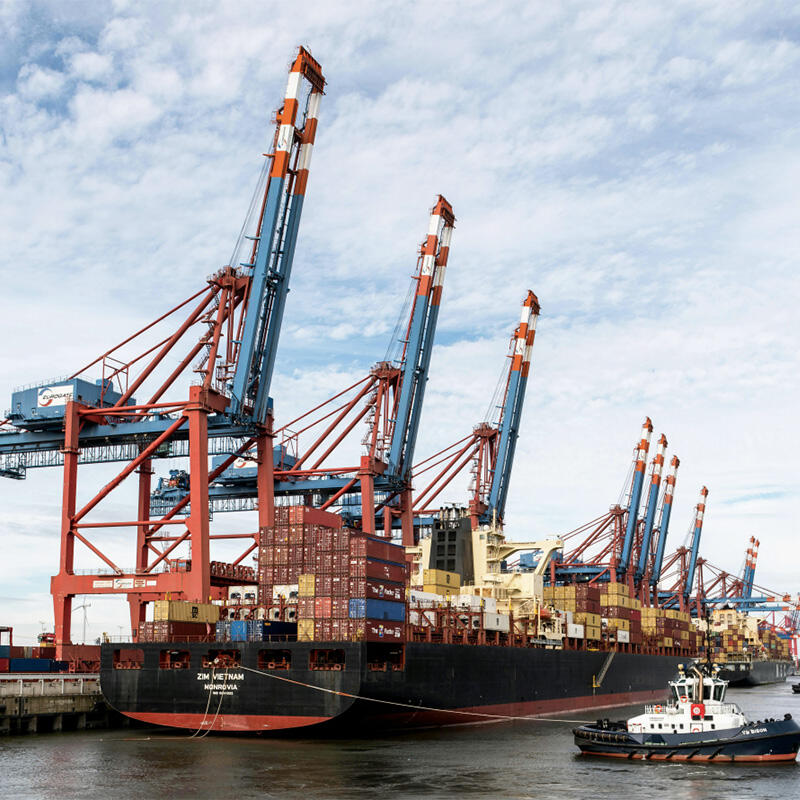
Transshipment is a fundamental logistics process wherein cargo is transferred from one vessel to another at an intermediate port, typically a major hub, before continuing to its final destination, forming the backbone of the hub-and-spoke model in container shipping. This practice is essential for optimizing global trade routes, as it allows large mother vessels to call only at a few deep-water hub ports, while smaller feeder vessels distribute and collect containers from a wider network of regional spoke ports. The efficiency of a transshipment operation is critically dependent on the hub port's infrastructure, including its crane productivity, yard management, and inter-terminal transfer systems, to ensure swift vessel turnarounds and minimize cargo dwell time. For a specialized feeder company, excellence in transshipment logistics is a primary service offering, requiring precise coordination of sailing schedules between the mainline and feeder vessels to synchronize arrivals and departures, thereby reducing the overall transit time for the cargo. Key challenges in transshipment include managing the complexity of documentation and customs procedures for temporary import, preventing misrouting of containers, and mitigating the risks of delays caused by weather or port congestion. The strategic selection of transshipment hubs, such as those in Dubai, Singapore, or Colombo, is based on their geographic centrality, connectivity, and operational reliability, enabling a shipping company to effectively serve vast regions like the Indian Subcontinent, Middle East, and Southeast Asia from a single central point. Advanced visibility tools are now crucial for providing customers with real-time updates on the status of their cargo during the critical transshipment phase, enhancing trust and supply chain control. As vessel sizes continue to increase, the role of efficient transshipment operations becomes even more pronounced, ensuring that global trade flows remain fluid and that shippers from smaller markets maintain access to worldwide destinations.

Common problem

What global coverage does PRIME SHIPPING provide in the shipping industry?

PRIME SHIPPING serves the shipping industry with coverage across 40+ global ports, spanning China, Japan, Korea, Southeast Asia, the Indian Subcontinent, and the Middle East. It is expanding into Europe, Africa, Australia, and the Americas, linking major manufacturing hubs to consumer markets. Direct routes connect Chinese ports (Xingang, Qingdao, Nansha) to destinations like the Middle East, Africa, and the Caribbean. Its global agency network ensures local expertise at every step, making it a go-to for end-to-end global logistics in the shipping industry.
PRIME SHIPPING delivers tailor-made solutions in the shipping industry, including custom slot allocations, multi-modal transport (sea/air/road), and specialized container services (Open Top, Flat Rack, SOC, Tank). It designs dedicated routes for regions like Southeast Asia and the Caribbean, integrating local customs clearance. For FBA clients, it provides end-to-end services from warehousing to return logistics. The company adapts to unique needs—whether urgent shipments, oversized cargo, or budget constraints—and launches new routes as demand arises, addressing diverse client requirements in the shipping industry.
PRIME SHIPPING adapts to shipping industry changes by monitoring market trends (e.g., Drewry World Container Index fluctuations) and participating in key events like the GLA Global Logistics Conference. It adjusts strategies based on rate shifts and port dynamics, offering flexible solutions to mitigate risks. The company launches new routes as demand arises, expanding coverage to emerging markets. Its tailor-made slot solutions and contingency plans address delays or capacity shortages. Guided by innovation, it integrates digital tools (real-time tracking) and optimizes processes to stay agile. This adaptability ensures it remains competitive and responsive to the shipping industry’s dynamic needs.

Related article

Why NVOCC Services Are Essential for Modern Shipping Operations

08

Aug

Why NVOCC Services Are Essential for Modern Shipping Operations

Non-Vessel Operating Common Carriers (NVOCC) operate as intermediaries in the global trading system nowadays. NVOCC services improve operational efficiency during shipment by linking shippers and carriers. In this article, we discuss the NVOCC servic...
View More
How Railway Transportation Complements Sea Freight Services

12

Sep

How Railway Transportation Complements Sea Freight Services

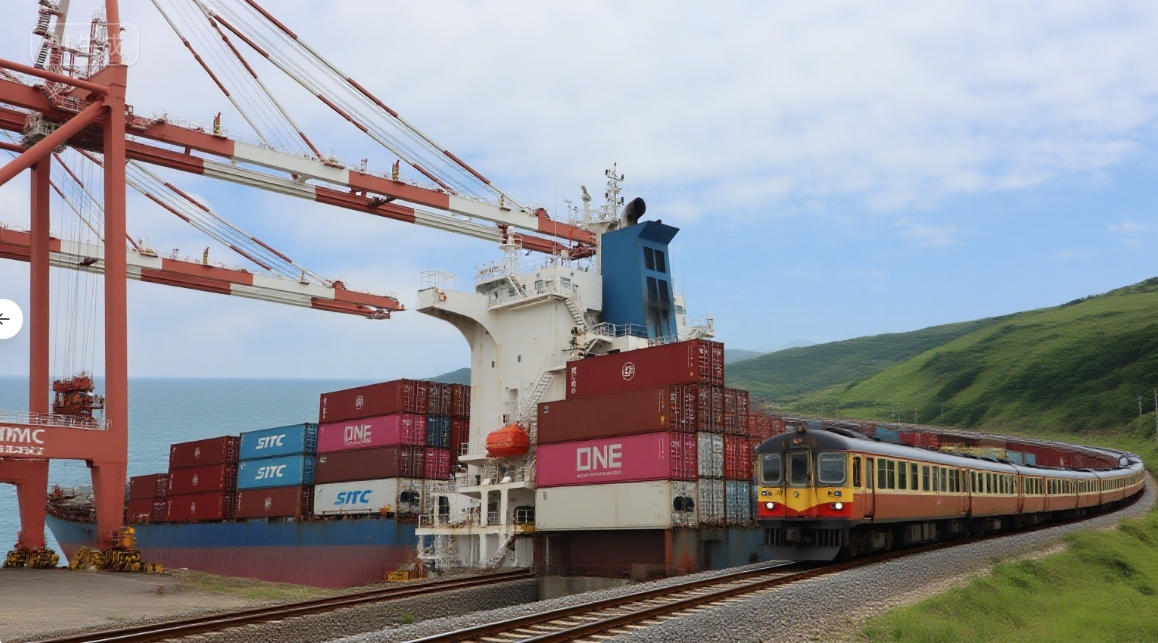
The Strategic Role of Railway Transportation in Intermodal Logistics Understanding intermodal transport and its significance in global trade Intermodal transport brings together different ways to move goods across distances, making supply chains wo...
View More
Why Choose an NVOCC for Your Shipping Needs?

07

Nov

Why Choose an NVOCC for Your Shipping Needs?

Understanding the Role of an NVOCC in Global Logistics Definition and Role of an NVOCC Non-Vessel Operating Common Carriers, or NVOCCs for short, play a really important role in international trade. They basically gather smaller shipments together ...
View More
Integrating Railway Transport in Multimodal Logistics

07

Nov

Integrating Railway Transport in Multimodal Logistics

The Strategic Role of Railway Transportation in Multimodal Logistics Understanding Multimodal Logistics: Definition and Framework Multimodal logistics brings together different transportation methods like rail, road, sea, and air all under one cont...
View More

Customer Reviews

Noah

For small to medium enterprises, cost reduction is crucial—and this feeder service delivers. We saved 20% on logistics costs compared to previous partners, without compromising service quality.

David

No affiliation with any carrier means we get unbiased logistics advice. Their robust network in the Indian Subcontinent and Middle East ensures our cargo is handled with care and delivered on time.

Get a Free Quote

Our representative will contact you soon.
Email
Mobile/WhatsApp
Name
Company Name
Message
0/1000
High Efficiency & On-Time Delivery: 98% On-Time Rate and Zero Cargo Damage Record

High Efficiency & On-Time Delivery: 98% On-Time Rate and Zero Cargo Damage Record

Efficient operational workflows and rigorous quality control result in a 98% on-time delivery rate and zero cargo damage record, far exceeding industry standards. A streamlined team responds swiftly to client requests, with real-time digital tracking systems providing instant cargo updates that integrate seamlessly with clients’ supply chain management platforms. Local last-mile delivery networks in key regions (such as Moscow) resolve "final mile" challenges, ensuring smooth cargo handover. By optimizing route planning and leveraging fixed schedule agreements, transit times are significantly reduced—for example, cutting delivery times to Russian clients from 45 days to 28 days via China-Europe intermodal services. This reliability makes it a trusted partner for time-sensitive shipments.
End-to-End Service Integration: From Warehousing to Customs Clearance, Ensuring Compliance and Convenience

End-to-End Service Integration: From Warehousing to Customs Clearance, Ensuring Compliance and Convenience

Seamless end-to-end service integration covers every stage of the shipping process, from domestic warehousing and labeling to international transport, customs clearance, and overseas return logistics. The service integrates local customs clearance resources across target markets, simplifying complex regulatory procedures and ensuring full compliance with international trade rules. For FBA clients, it manages the entire lifecycle of cargo, from preparation to return, minimizing administrative burdens. The well-connected global agency network provides on-the-ground support, resolving issues such as port delays or documentation discrepancies promptly. This holistic approach eliminates fragmented service gaps, offering clients a hassle-free and comprehensive logistics experience.