 EN
EN

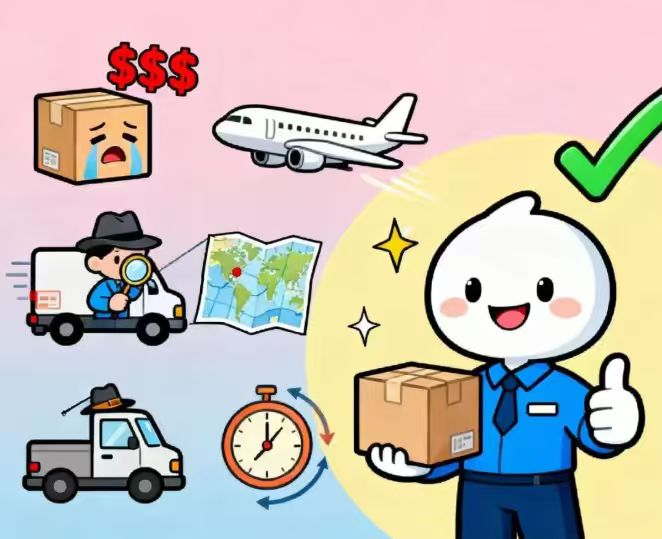
Why SMEs Need Customized Logistic Services
Understanding Customized Logistics in Modern Supply Chains
Businesses of smaller sizes are starting to need logistics plans that actually fit what they do day to day instead of generic approaches meant for big companies. Customized logistics options work better because they can adjust routes as needed, have storage spaces that grow or shrink depending on demand, and offer tracking systems that connect directly with business software. For many small businesses, this kind of flexibility makes all the difference when managing operations. After all, according to recent research from the Council of Supply Chain Management Professionals (2023), around two thirds of these smaller businesses run operations in three to five different regions where delivery needs vary quite a bit between locations.
The Unique Challenges of Small and Medium-Sized Cargo Transportation
SMEs face disproportionate pressure from rising fuel costs and fragmented last-mile networks. According to the 2024 Logistics Technology Survey, 71% of mid-sized manufacturers lose $18k monthly due to poor cargo capacity utilization. Customized solutions address these inefficiencies through:
- Load consolidation algorithms that reduce empty truck miles by 35–40%
- Hybrid fleet models combining owned vehicles with on-demand rentals
- Real-time temperature monitoring for perishables and sensitive electronics
Data: 68% of SMEs Report Improved Delivery Performance With Tailored Logistics (McKinsey, 2023)
The same study found customized services cut average transit times by 1.8 days compared to generic 3PL contracts. These gains stem from providers analyzing 12–18 months of historical shipment data to optimize carrier selection, inventory buffer levels, and cross-docking schedules—delivering measurable improvements without requiring internal infrastructure expansion.
Case Study: How a Mid-Sized Electronics Shipper Reduced Delays by 40%
A consumer electronics distributor serving 12 Southeast Asian markets partnered with a specialized logistics provider to implement:
- Machine learning-based demand forecasting (accuracy improved from 78% to 92%)
- Multi-carrier API integrations enabling real-time rate comparisons
- Regional micro-warehouses positioned within 50km of key ports
These changes reduced customs clearance delays by 53% and lowered per-pallet storage costs by $17.80—demonstrating how scalable, customized logistics create competitive parity for SMEs.
Core Components of Effective Customized Logistic Services
Transportation Management: Dynamic Routing and Regional Distribution Optimization
Adaptive transportation strategies are essential for SME efficiency. Dynamic routing adjusts delivery paths using real-time traffic and weather data, while regional distribution optimization clusters shipments by destination zones. Industry analysis shows custom routing solutions reduce delivery times by 20%, particularly for multi-stop regional deliveries common among SMEs.
Inventory and Warehouse Synchronization for Just-in-Time Efficiency
| System | Key Function | Impact on SME Logistics |
|---|---|---|
| WMS (Warehouse Management System) | Stock-level monitoring | 34% fewer stockouts (2020 MHI Industry Report) |
| JIT Inventory Models | Demand-matched replenishment | 18% lower carrying costs |
By aligning warehouse workflows with production cycles, businesses minimize excess inventory and storage overheads. The 2020 MHI Industry Report notes that 85% of logistics teams now prioritize WMS integrations to match stock levels with fluctuating demand.
Integrating WMS and TMS for Seamless Logistics Operations
Connecting Warehouse Management Systems (WMS) with Transportation Management Systems (TMS) breaks down those annoying data silos that separate what's happening with inventory versus what's going on with freight movements. When shipments get processed through the TMS, automatic alerts pop up on WMS dashboards showing exactly when stock levels need updating. This makes capacity planning much more accurate because everyone sees the same information at the same time. Studies suggest that companies implementing this kind of integration see around a 50% drop in manual coordination mistakes across their mid-sized supply chains. The result? Faster order processing and fewer headaches for warehouse managers trying to keep everything running smoothly day after day.
Technology's Role in Scaling Customized Logistic Services
From Spreadsheets to SaaS: Digital Transformation in Freight Logistics
SMEs are replacing manual spreadsheets with cloud-based SaaS platforms to automate freight operations. These systems handle load optimization and carrier selection, reducing human error by up to 42% in route planning (Ponemon, 2023). IoT sensors enable real-time cargo monitoring, while cloud integration supports multi-location inventory tracking—essential for regional distribution scalability.
AI, IoT, and Automation: Practical Applications for SMEs
Artificial intelligence helps predict when shipments might get delayed, while those little internet-connected devices keep an eye on things like temperature for products that need it. Take this one pharmaceutical business somewhere in Europe, they cut down their product loss rate by around 22 percent after installing these smart monitoring systems throughout their supply chain. Then there's robotic process automation, which does all those boring repetitive jobs nobody wants to do, such as creating invoices over and over again. This leaves employees actually doing something useful instead of getting stuck on paperwork. The best part? Small and medium enterprises can now match what big corporations spend on logistics tech without breaking the bank on IT infrastructure costs.
Case Study: AI-Powered Demand Forecasting Cuts Overstock by 30% in a Regional Distributor
A consumer goods supplier struggling with overstock implemented AI-driven demand forecasting. By analyzing 18 months of sales and regional buying patterns, the system dynamically adjusted procurement orders. Within six months, overstock dropped 30%, saving $180,000 annually in warehousing costs—showcasing how AI-powered logistic services enhance inventory precision for smaller operators.
Real-Time Analytics and API Integration With 3PL Partners
Modern logistics platforms come with dashboards that track things like estimated delivery times, how well carriers are performing, and even carbon footprints for each shipment sent out. When small and medium businesses integrate their systems through APIs, they can exchange information smoothly with third-party logistics partners. According to Gartner's research from last year, around 79% of midsize companies saw quicker problem solving once they started using these connected systems. The ability to work together across different platforms becomes really important during busy periods. Think holiday rush season or back-to-school time when companies need to scale operations fast and everyone involved needs to be on the same page to handle increased volumes without breaking down.
Third-Party Logistics (3PL) and Supply Chain Visibility
How 3PL providers offer flexibility and scalability for SMEs
For small and medium enterprises looking to handle unpredictable markets without investing in their own warehouses or transport fleets, third-party logistics (3PL) companies offer a smart solution. These firms leverage existing regional distribution hubs and work with multiple carriers so businesses can actually grow their operations by around two thirds during busy seasons without sacrificing day-to-day efficiency according to McKinsey research from last year. The benefits really stand out for smaller operations that only need to ship under 200 pallets each month. Trying to manage logistics internally at this volume usually means paying roughly 22 percent more in ongoing expenses compared to outsourcing through a good 3PL partner.
Real-time tracking and end-to-end visibility as competitive advantages
Today's third-party logistics systems come with GPS tracking for shipments and smart warehouses packed with IoT technology, which gives small to medium businesses the same kind of supply chain insight that big corporations have always enjoyed. According to research from Gartner released last year, firms that connect their operations through APIs see about 18 percent less lost cargo and get their deliveries on time 34% more often than those without these connections. The real value comes when managers can actually make smart moves based on what they're seeing. Like avoiding traffic jams at busy ports or tweaking temperature settings mid-transit for things like fresh produce or pharmaceuticals that need specific conditions during transport.
Trend: 73% of SMEs now require API-level integration with 3PLs (Gartner, 2024)
We're seeing a big move towards embedded logistics tech because businesses want their warehouse management systems to talk smoothly with transport platforms. When companies connect these systems through APIs, they cut down on those annoying typos from hand-entered data and get automatic restocking alerts. This is super important for operations running on just-in-time delivery schedules where timing matters a lot. What's interesting is how small logistics firms are now hitting around 98% accuracy in shipments - something that used to be exclusive to huge corporations with deep pockets. The technology gap is closing fast as more mid-sized players invest in these integration solutions.
Driving Cost Reduction and Operational Excellence
Route Optimization and Load Consolidation to Reduce Shipping Costs
Dynamic routing powered by AI reduces empty miles by 18% through real-time traffic analysis. Load consolidation maximizes trailer utilization, with mid-sized manufacturers reporting 25% fewer weekly shipments after implementing cross-dock hubs—directly lowering fuel and labor expenses.
Workflow Automation and Data Integration for Lean Logistics
Automated order-to-invoice processing cuts manual errors by 60% in SME operations. Integrating telematics with WMS reduces labor costs by 22%, while real-time dashboards help 78% of shippers maintain 24-hour order fulfillment cycles.
Industry Paradox: Low Logistics Tech Spending Despite High ROI Potential
Despite a 13:1 ROI within 18 months, only 29% of SMEs allocate more than 5% of their logistics budgets to automation tools. This gap persists even though predictive analytics alone can reduce emergency vehicle repair costs by $18k annually—highlighting untapped potential for cost-efficient growth.
FAQ
Why are customized logistic services important for SMEs?
Customized logistic services are important for SMEs because they offer flexibility, efficiency, and tailored solutions that meet specific business needs. This enables SMEs to manage operations effectively while reducing costs and optimizing delivery performance.
How do customized solutions address inefficiencies in SME logistics?
Customized solutions address inefficiencies in SME logistics by utilizing load consolidation algorithms, hybrid fleet models, and real-time temperature monitoring. These strategies help reduce empty truck miles, optimize vehicle usage, and ensure the quality of sensitive goods during transit.
What role does technology play in customized logistics for SMEs?
Technology plays a crucial role in customized logistics by enabling digital transformation, automation, and integration across platforms. SaaS platforms, AI, IoT, and API integrations enhance forecasting, inventory precision, and provide real-time visibility to improve logistics operations.
How do Third-Party Logistics (3PL) providers benefit SMEs?
3PL providers benefit SMEs by offering scalable solutions without the need for significant investment in infrastructure. They provide flexibility, reduce costs, and enable SMEs to manage supply chain needs efficiently, especially during high-demand periods.