 EN
EN

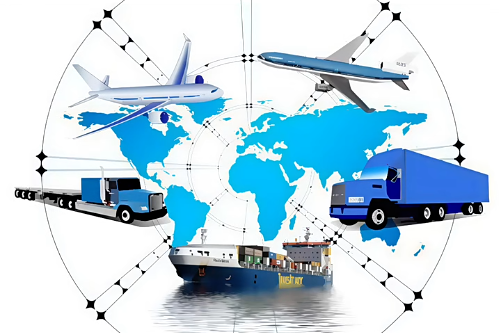
Understanding Multimodal Transport: Definition and Key Distinctions
Definition of Multimodal Transport and Integration of Transport Modes
Multimodal transport basically means using two or more different ways to move goods around like roads, railways, ships or planes, all handled through one main contract from a single company. The big advantage here is that businesses don't have to deal with several different transport companies for every part of their delivery route. Take a typical scenario where goods might first go by lorry to reach a railway station, then continue on a freight train across countries, before finally being loaded onto a cargo ship for international shipping. All these steps are managed by just one logistics firm throughout. When everything falls under one roof like this, it makes tracking shipments much easier and cuts down on paperwork headaches. Plus modern tracking tech helps keep tabs on where things are at any given moment across all these different transport methods.
Multimodal vs. Intermodal: Clarifying the Core Differences
The main difference between multimodal and intermodal transport comes down to who is responsible when things go wrong. With multimodal shipping, everything runs under one contract and there's just one party accountable for the whole trip from start to finish. Intermodal works differently though it involves multiple contracts for different parts of the journey even if standard containers are used throughout. The way these systems are set up makes a big difference in how predictable expenses are and what happens during disputes. Multimodal operators take full blame if something breaks down along the way, while those using intermodal have to deal directly with several different carriers. According to research published last year, companies that switch to multimodal logistics can cut their paperwork headaches and save around 23% on administrative costs because everything gets handled through a central point rather than bouncing between multiple entities.
Cost Optimization Through Integrated Multimodal Transport Networks
How Combining Transport Modes Reduces Overall Logistics Costs
When companies combine different transportation modes like rail, sea and roadways into one system, they can get rid of many problems that come with relying on just one type of transport. Moving goods over long distances via rail makes sense because it actually uses about 60 percent less fuel for every ton mile compared to big rigs, as shown by SC Solutions research from 2025. And this switch not only saves money on gas but also helps cut down on pollution. The numbers back this up too. At places where cargo gets transferred between different transport types, there's significantly less need for workers to handle packages manually. Logistics experts report that labor costs drop somewhere between 18 to 22 percent when using these combined systems instead of regular trucking operations.
Long-Term Savings vs. Upfront Investment in Multimodal Systems
Initial investments in digital tracking platforms and carrier partnerships are offset by significant long-term gains. Enterprises typically achieve 30–40% lower annual freight costs within three to five years. Predictive route optimization alone can save large-scale operators up to $1.2 million annually by minimizing empty container repositioning.
Case Study: Cost Efficiency in Transcontinental Rail-Sea-Road Freight
Research published in 2022 by Computers and Industrial Engineering looked at transport along the China-Europe route through combined rail, sea and road connections. The findings showed around a quarter drop in shipping expenses and nearly 80% of rail capacity being used effectively. When ships arrived just before scheduled train departures, businesses managed to cut those annoying 14 hour waits in warehouses. That change alone saved them about seven hundred forty thousand dollars every year on late fees. Looking at these numbers makes it clear why more companies are turning to mixed mode transportation systems they get better value for money while still maintaining dependable delivery schedules across borders.
Improving Speed, Reliability, and Coordination in Global Freight
Multimodal transport enhances global freight performance through synchronized logistics networks that improve speed, reliability, and coordination across complex supply chains.
Optimized Route Planning and Delivery Time Reduction
Advanced algorithms evaluate variables such as fuel costs, congestion, and customs procedures to design efficient multimodal routes. AI-driven platforms reduce average transit times by 22% compared to single-mode strategies (2024 Freight Corridor Efficiency Report). Machine learning adapts to seasonal demand fluctuations, preventing bottlenecks in critical corridors like the Asia-Europe rail-sea network.
Role of the Multimodal Transport Operator (MTO) in Seamless Coordination
MTOs serve as central coordinators, managing interactions between rail operators, port authorities, and trucking firms. Their end-to-end oversight ensures smooth transfers, reducing idle time at intermodal hubs by 35%. Standardized digital documentation further cuts administrative delays by 50%, while minimizing cargo handling errors.
Real-Time Tracking and Predictive Scheduling in Modern Corridors
Containers equipped with IoT technology plus GPS tracking give companies much better insight into where their goods are, what temperatures they're experiencing, and whether there's any security issues along the way. Transportation Management Systems take all this information and figure out alternative routes when something goes wrong, like bad weather hits or there's some kind of political problem in a region. We've actually seen satellite-based traffic control cut down delays at major choke points across Europe by about 18 percent lately. This shows just how useful predictive analytics can be for getting ahead of potential problems before they really mess up delivery schedules.
Sustainability Benefits and CO2 Reduction in Multimodal Logistics
Switching from single mode transportation to multimodal options cuts down on fuel usage somewhere between 18 to 32 percent for every ton mile traveled while also bringing down those pesky greenhouse gas emissions quite a bit. When companies use rail for longer distances and then switch to roads where needed, they end up wasting less time running empty trucks around and get better results from each load they carry. According to some research done in Europe last year, these combined rail sea road routes produce about thirty percent fewer carbon dioxide emissions compared to just relying on trucks alone. Plus there's another benefit too many people overlook. These changes help take pressure off crowded roads which means cities see roughly forty one percent fewer harmful particles floating around their streets when it comes to freight movement.
Data Insight: EU Reports 30% Lower Emissions in Rail-Freight Corridors
According to a recent report from the European Environment Agency in 2023, transportation systems that mainly use rail instead of other modes can slash emissions just like taking 6.2 million gas powered cars off the road each year. These systems become even better when they incorporate smart routing software, which helps save around 23% more fuel than what happens with regular truck operations alone. Looking at carbon output specifically, trains produce about three quarters less CO2 for every ton mile traveled compared to big rigs on highways. And this difference is getting bigger all the time since nearly two thirds of companies worldwide are starting to look at environmental impact first when choosing their shipping partners these days.
Key environmental benefits:
- 550+ fewer annual road trips per 10,000 TEU (twenty-foot equivalent unit)
- 19% reduction in nitrogen oxide emissions across supply chains
- 27% lower energy consumption through optimized intermodal handoffs
Technology and Future Trends Shaping Multimodal Transport
IoT, Blockchain, and TMS: Enabling Transparency and Real-Time Control
Transportation Management Systems (TMS) work alongside IoT sensors to keep track of what's happening with cargo during transport. These systems watch over things like temperature changes and unexpected route shifts across different modes of transport including trains, ships, and trucks, which helps cut down on delays. When it comes to international shipping, blockchain tech creates records that can't be altered, cutting down paperwork mistakes somewhere around 45%. According to research published in 2024 about logistics operations, companies that use this combination of technologies see their cargo transfer times drop by about 32% when compared with older methods still in use today.
AI, Automation, and Autonomous Freight Innovations
AI optimizes load distribution across transport modes, while automated warehouses reduce port turnaround times by 27%. Autonomous electric trucks are being piloted on dedicated freight corridors to enhance first-mile and last-mile connectivity. Machine learning models predict customs delays with 89% accuracy, enabling preemptive adjustments in routing and scheduling.
Renewable Energy and Green Shipping in Next-Gen Multimodal Systems
Pilot projects featuring hydrogen-powered cargo ships and solar-assisted rail lines have achieved 18–22% reductions in CO₂ emissions per ton-mile. Industry experts predict that by 2027, 40% of European multimodal corridors will incorporate renewable energy in at least two transport modes, driven by tightening carbon regulations and sustainability mandates.
Strategic Outlook: Building Resilient, Adaptive International Logistics
The next generation of multimodal transportation systems needs flexible infrastructure that can handle new tech like drone landing zones and hyperloop stations. Companies are already testing digital twin technology to model how extreme weather might impact their supply chains, helping them prepare for storms or heatwaves that could disrupt deliveries. At the same time, many logistics firms are adopting smart contracts powered by 5G networks to streamline payment processes between different shipping companies. These technological advances help maintain around 95-97% service levels even when unexpected events occur, which explains why multimodal transport solutions are becoming increasingly important for businesses wanting to keep their goods moving smoothly across borders in an unpredictable world.
FAQ
What is multimodal transport?
Multimodal transport involves using two or more different modes of transport such as roads, rail, ships, or planes under one contract managed by a single company, streamlining logistics and improving tracking.
How does multimodal transport differ from intermodal transport?
Multimodal transport utilizes a single contract and one party is responsible for the entire journey, whereas intermodal transport involves multiple contracts and different carriers handle different legs of the trip.
What are the cost benefits of multimodal transport?
Companies can reduce logistics costs by integrating different transport modes, resulting in lower fuel consumption, reduced labor costs, and decreased administrative expenses.
How does multimodal transport contribute to sustainability?
By utilizing modes like rail that are more fuel-efficient for longer distances, multimodal transport reduces greenhouse gas emissions and energy consumption, leading to a more sustainable logistics model.
Table of Contents
- Understanding Multimodal Transport: Definition and Key Distinctions
- Cost Optimization Through Integrated Multimodal Transport Networks
- Improving Speed, Reliability, and Coordination in Global Freight
- Sustainability Benefits and CO2 Reduction in Multimodal Logistics
- Technology and Future Trends Shaping Multimodal Transport