 EN
EN

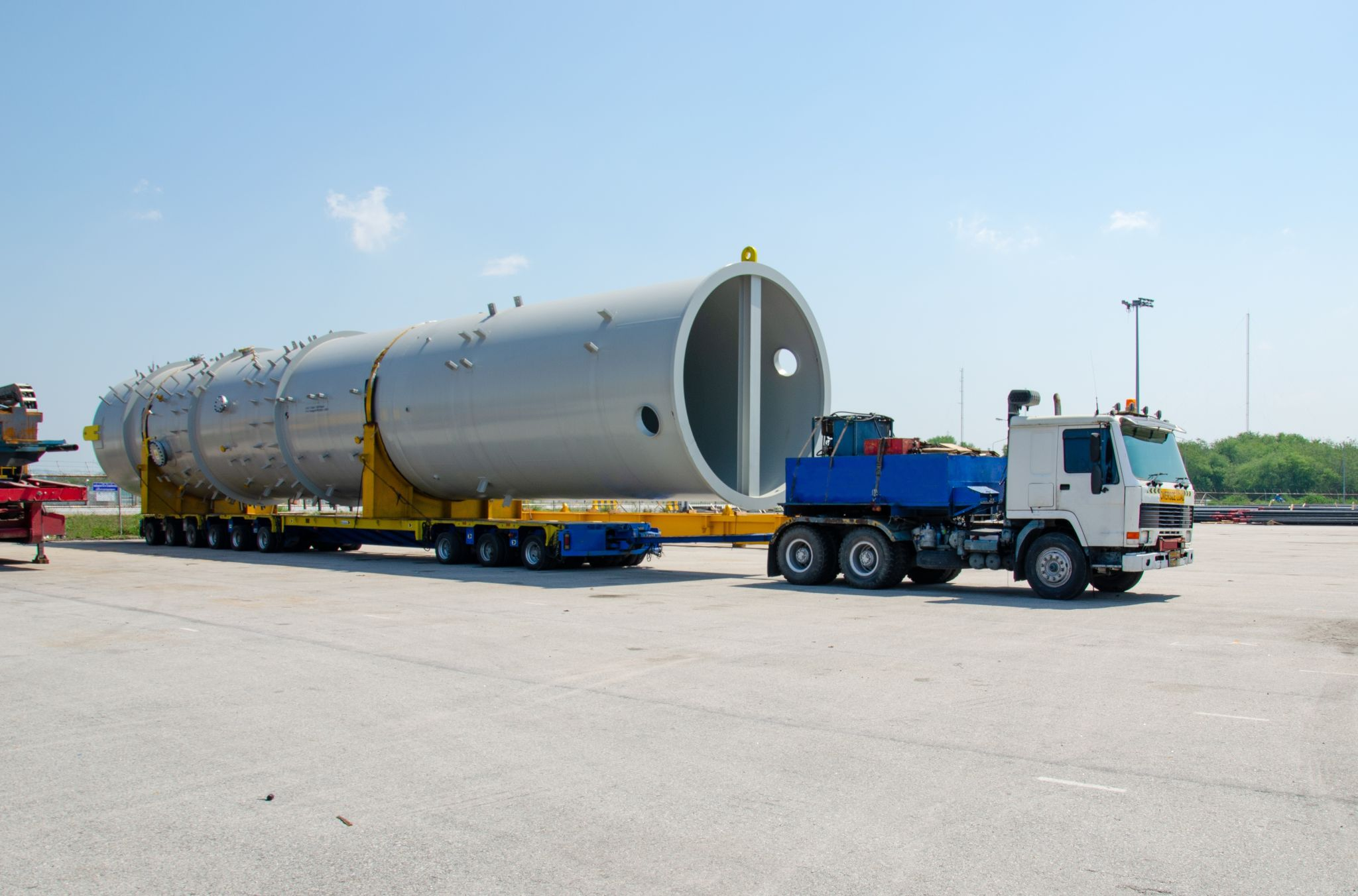
ISO-Certified Structural Integrity: The Foundation of a Reliable Container
Core ISO Standards (668, 1496, 1161) Defining Strength, Dimensions, and Interchangeability
The International Organization for Standardization (ISO) standards are pretty much what keeps containers reliable across the globe. Take ISO 668 for instance it lays out those basic measurements everyone follows standardized lengths at 20 feet or 40 feet, width fixed at around 2.44 meters, while heights come in two main sizes 2.59 meters standard height or 2.89 meters for those high cube containers. This standardization means containers fit properly on ships, get lifted by cranes, and work with different chassis systems everywhere they go. Then there's ISO 1496 which basically draws the line on how strong containers need to be. Roofs have to hold up under 300 kg per square meter when nothing's moving around inside. Floors can handle axle weights going up to nearly 6 tons, and walls need to stand up against stacking pressures equivalent to about 40% of whatever cargo they're carrying. ISO 1161 handles those corner fittings too making sure they all measure right so containers stack securely and connect properly with twistlocks no matter where they end up. Containers that don't meet these standards tend to fail way more often. According to last year's Maritime Safety Report, containers without proper certification experience roughly 70 percent more structural problems during bad weather conditions.
CSC Safety Certification: Ensuring Global Deployment Compliance and Recertification Cycles
CSC certification under the Container Safety Convention isn't optional when moving cargo across borders internationally. The system works on a rolling basis where ships need to get checked again roughly every two and a half years by approved inspectors. What makes this different from ISO standards which focus mostly on how containers are built initially? CSC actually looks at what happens while they're in active use. Inspectors map out rust spots on corten steel surfaces, run ultrasounds on those metal corners, test if doors still seal properly after all that saltwater exposure, and measure how much the floors sag over time. Without that green CSC plate showing up to date, ports will turn ships away or hit them with penalties upwards of twenty-five grand each time. Keep these checks going regularly though, and most containers last about fifteen extra years in service while cutting down serious accidents by nearly two thirds according to recent studies from Global Cargo Journal. These regular inspections catch problems early enough so damaged containers don't end up causing trouble halfway across the ocean during critical shipments.
Container Types and Functional Fit: Selecting the Right Container for Cargo Demands
Dry Freight Containers (20ft, 40ft, High-Cube): Payload, Volume, and Port Infrastructure Compatibility
Dry freight containers carry around 90% of all non-bulk cargo worldwide and have become the standard when it comes to size and structure. A standard 20 foot container gives about 33 cubic meters inside with a load limit of roughly 28 tons, which works great for heavy stuff like machine parts. The longer 40 foot version holds nearly double the space at 67.7 cubic meters and can take on 26.5 tons, making it good for things like boxes of clothes that aren't too heavy but need lots of room. High Cube containers are taller too, going from regular 2.39 meters to 2.69 meters high, giving an extra 12% in volume to about 76.4 cubic meters total. These are best for stuff that's light but takes up space, think furniture or ready made electronics. All these containers fit with standard ISO corner fittings and work across most ports globally, although those High Cubes might need special checks at older terminals with limited crane clearance. Getting the right container for what needs shipping based on how dense the cargo is rather than just looking at space saves money in the long run, cutting down on wasted room and potentially reducing freight bills by somewhere between 20-25%.
Specialized Containers (Reefers, Tanks, Flat Racks): ISO-Compliant Adaptations for Temperature-Sensitive, Liquid, or Oversized Cargo
Specialized containers bring ISO certified reliability to those unique logistics needs without sacrificing either structural strength or regulatory requirements. Refrigerated containers follow ISO 1496-2 standards and come equipped with advanced climate control systems capable of keeping things at temperatures ranging between minus 30 degrees Celsius and plus 30 degrees Celsius. This makes them ideal for transporting sensitive goods such as medicines, fresh fruits, vegetables, and biological products. Tank containers are built according to ISO 1496-3 specs, complete with durable stainless steel bodies, pressure resistant valves, and proper insulation layers needed for safely moving food grade oils, various chemicals, and even liquefied gases. Flat rack containers conform to ISO 1161 corner fittings but also offer collapsible end frames along with reinforced floors that can handle large, heavy or oddly shaped items like massive wind turbine components or construction machinery weighing as much as 45 tons. Each container type comes with specific handling requirements too. Reefers need confirmed power connections and detailed temperature logs kept throughout transit. Tanks must have proper hazardous materials paperwork and recent pressure test records available. For flat racks, engineers need to create secure lashing plans and ensure weight is distributed properly across the floor space. Looking at all these details shows clearly that following ISO standards doesn't mean giving up on specialized functionality. Instead, they actually work together hand in hand to get the job done right.
Maintaining Container Quality Through Operational Lifecycle Management
Keeping containers in good shape throughout their entire lifespan is what really matters for quality preservation. That means looking after them right from when they're bought all the way through regular use, maintenance work, and even when they eventually get retired. When companies start doing preventive maintenance while containers are still in service, it helps stop structural problems before they become serious issues. This approach cuts down unexpected breakdowns and keeps everything compliant with those important standards like ISO and CSC. The main things to check regularly? Look at those corner castings, door seals, and floor framing structures. Combine this with modern tech for tracking corrosion over time using tools like ultrasonic thickness gauges and images tagged with location data. According to stats from the International Container Lessors Association, this kind of smart management can actually extend container lifespans between 30% to 50%. What we see happening in practice is that containers stop being just assets that lose value over time and instead become reliable transport solutions that meet regulations and save money in the long run without compromising safety or performance.
Key Inspection & Maintenance Protocols to Extend Container Service Life
Pre-Trip and Periodic Checks: Door Seals, Corner Castings, Floor Integrity, and Corrosion Mapping
Regular inspection schedules that are spaced out just right really help extend how long containers stay useful. Before any trip starts, technicians need to make sure everything works properly. They check if the doors seal tightly against water, look at the corners for any signs of cracking or bending, scan the floors for weak spots or peeling layers, and find areas where rust might be building up with special thickness measuring tools. According to industry reports, containers that get checked every three months tend to last between five and seven extra years compared to ones only looked at once per year. Some parts need special attention during these checks, though specific areas depend on what kind of cargo was stored previously and environmental conditions encountered over time.
- Door seals: Inspect for brittleness, compression loss, or visible gaps that compromise weather resistance and cargo security
- Corner castings: Validate twistlock compatibility, weld integrity, and absence of stress fractures—especially after repeated stacking cycles
- Floor systems: Use core sampling and moisture meters to detect hidden rot or corrosion beneath surface coatings
- Corrosion mapping: Employ digital imaging systems to track rust progression across high-risk zones (e.g., underfloor cross-members, door tracks, and bottom rails)
Best Practices for Repair, Refurbishment, and CSC Revalidation to Sustain Container Value
Regular refurbishment keeps containers holding their value and stays compliant with regulations. Skilled technicians handle structural fixes following ISO 1496 guidelines, paying special attention to reinforced welding, proper heat treatments, and thorough non-destructive tests that catch hidden flaws. Before applying tough marine epoxy coatings, surfaces get blasted clean to SA 2.5 standards, which means no rust spots or old paint left behind. Upgrades matter too – swapping out standard materials for things like marine grade plywood, bamboo composites, and stainless steel fittings makes these containers last longer between maintenance checks. The whole process ends with official CSC certification from recognized inspectors who confirm everything meets today's safety standards. Look at the numbers: containers that get properly maintained before they start showing wear can keep around 85 to 90 percent of their initial worth even after 15 years on the job. That translates to about 40 percent savings when it comes time to replace them, all while keeping operations safe and running smoothly.
Frequently Asked Questions (FAQ)
What are the key ISO standards for shipping containers?
The key ISO standards for shipping containers include ISO 668 for dimensions, ISO 1496 for strength, and ISO 1161 for corner fittings.
Why is CSC certification important for containers?
CSC certification is crucial for ensuring global compliance, preventing penalties, and extending container service life.
What are dry freight containers, and how do they differ from specialized containers?
Dry freight containers are standard containers used for non-bulk cargo, while specialized containers are designed for specific needs like refrigeration or oversized cargo.
How can container service life be extended?
Container service life can be extended through regular inspections, maintenance, and refurbishments.
Table of Contents
- ISO-Certified Structural Integrity: The Foundation of a Reliable Container
- Container Types and Functional Fit: Selecting the Right Container for Cargo Demands
- Maintaining Container Quality Through Operational Lifecycle Management
- Key Inspection & Maintenance Protocols to Extend Container Service Life
- Frequently Asked Questions (FAQ)