 EN
EN

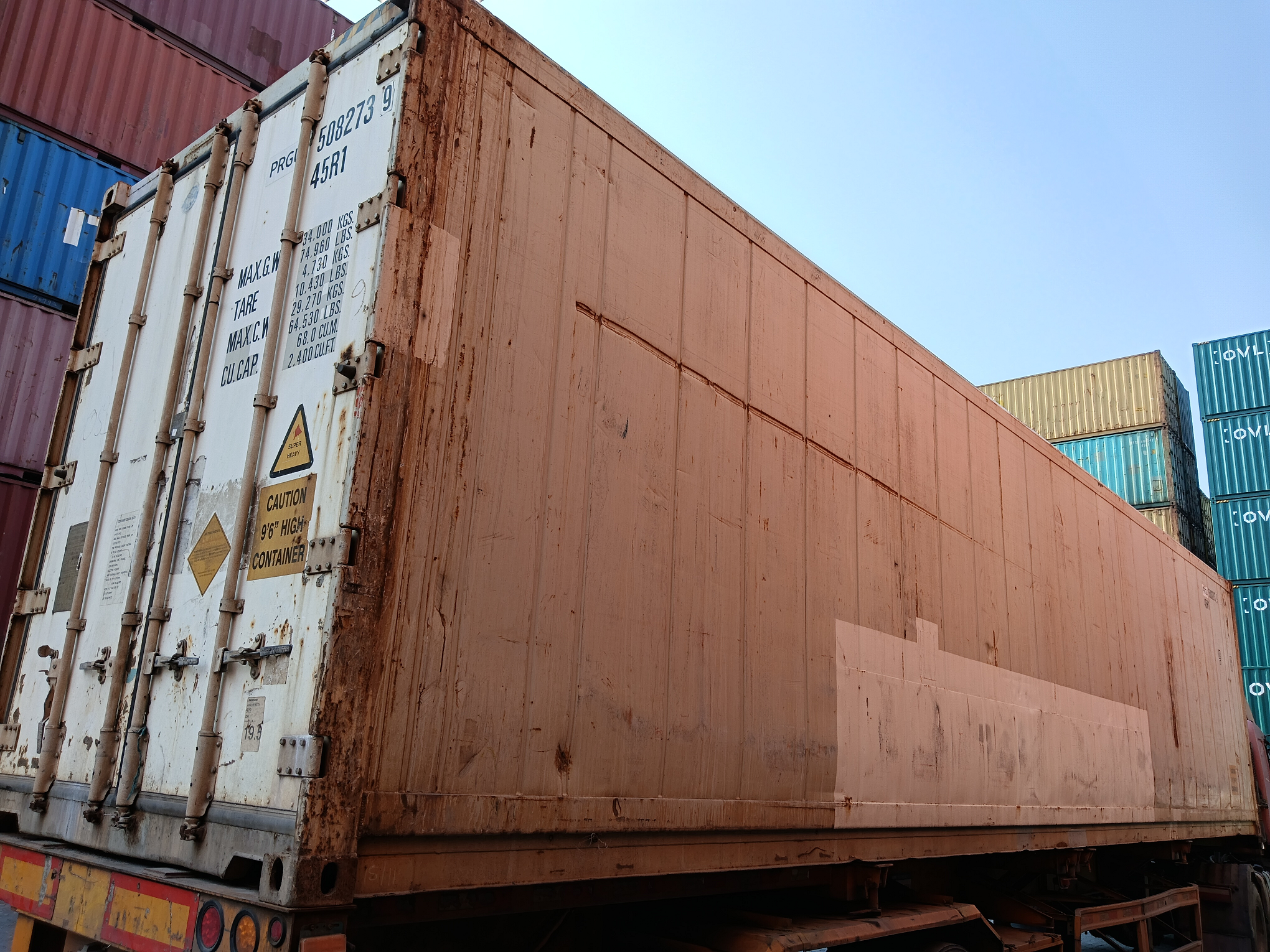
Container Leasing Enables Scalable, Demand-Driven Logistics
Responding to market volatility and seasonal shipping peaks
Leasing containers gives companies the flexibility they need when dealing with fluctuating trade volumes or those big seasonal spikes we all see around holidays. Owning containers means paying for empty space when business slows down, but leasing lets businesses scale up quickly without all that hassle when demand suddenly jumps. According to the Ponemon Institute study from last year, supply chain problems are costing companies roughly $740,000 on average. So having quick access to containers isn't just nice to have anymore, it's becoming absolutely necessary for staying competitive. Most short term leases can be adjusted in just a few weeks instead of waiting months, which keeps cash flowing freely rather than tied up in expensive equipment. This money can then go towards better logistics strategies that actually respond to what's happening in real time.
Supporting project-based, remote, or temporary operational setups
Leasing containers gives businesses flexible, portable infrastructure for operations that aren't fixed in one location. Think construction projects, remote mining operations, or emergency response situations where setting up permanent facilities just doesn't make sense. With custom lease agreements, companies can get their hands on specialized containers right away. These include things like temperature-controlled reefers for perishables or containers certified for handling dangerous materials. When it comes to cross docking logistics, rented containers work great as temporary hubs. They let goods move directly from trucks to ships or planes without sitting around in warehouses first. The numbers back this up too industry data shows companies typically save between 15 and 30 percent on storage costs when they adopt this method. Plus, it helps meet those tight Just-in-Time delivery schedules that so many supply chains rely on these days.
Cost and Capital Efficiency: Why Container Leasing Outperforms Ownership
Eliminating CAPEX burden while optimizing OPEX with predictable lease terms
Leasing containers turns those big ticket purchases that can cost over $150,000 each into something much more manageable for businesses. Instead of spending huge chunks of money upfront, companies pay monthly fees ranging between about $500 and $1,200 per container. This makes it easier to plan budgets and keeps valuable cash available for important things like upgrading tech systems or expanding into new markets. When companies own containers themselves, they end up dealing with unexpected expenses such as depreciation costs, regular maintenance needs, insurance premiums, and storage fees. With leases, all these extra charges get wrapped into one clear payment structure. The result? Much better financial flexibility overall. According to recent studies in logistics finance from last year, businesses that opt for container leasing tend to manage their cash flows about 47 percent better compared to those stuck with owning their own equipment.
Accelerated deployment and fleet agility without long-term asset lock-in
Getting leased containers on site takes around three days max, while buying new ones means waiting eight weeks or longer for everything from ordering to customs paperwork and actual delivery. This makes all the difference when markets swing suddenly. Shipping companies can double their fleet size overnight during busy periods and shrink back down just as fast once things settle without worrying about what those containers will be worth later. Buying containers locks money away for a decade or so, and there's always the chance they'll become obsolete as rules change. Just look at the IMO's upcoming 2024 emission requirements that many existing containers won't meet. The Ponemon Institute did some research last year showing that nearly seven out of ten logistics managers said renting containers saved them over half a million dollars each in lost assets during supply chain chaos last year.
| Ownership vs. Leasing Impact | Ownership | Leasing |
|---|---|---|
| Initial Investment | $150k+ per container | Minimal deposit |
| Deployment Speed | 8+ weeks | 72 hours |
| Residual Value Risk | High (depreciation) | None (lessor bears) |
| Regulation Adaptation | Costly retrofits | Swap containers |
Container Leasing as a Strategic Enabler of Agile Supply Chains
Facilitating cross-docking, JIT delivery, and lean inventory workflows
Containers on lease form the backbone of efficient logistics systems that can adapt quickly to changing conditions. When used in cross docking setups, these containers act as crucial links at distribution centers where goods move straight from incoming trucks to outgoing ones. This direct transfer cuts down on handling expenses by roughly 15 to 20 percent according to Logistics Management from last year. Just-in-time manufacturing benefits greatly too since rented containers fit right into production timelines. There's no need to keep extra stock sitting around or maintain expensive storage areas for extended periods. The whole system works like clockwork really. During slow seasons, unused containers just disappear until needed again, while during busy times they magically appear exactly when required to handle all those rush orders without missing a beat.
Optimizing on-site storage, transloading, and last-mile flexibility
Containers that are leased offer real benefits throughout the supply chain process. When placed close to manufacturing sites, these units function like temporary storage spaces right at the factory door, which can slash warehouse expenses by around 30 to 40 percent according to Supply Chain Quarterly from last year. At those big transfer points where different transport modes meet, containers help speed things up during loading and unloading operations. They act as neutral ground for moving goods between ships, trains, and trucks, potentially cutting down waiting times there by nearly a quarter. Cities have started using them creatively too. Containers positioned smartly in urban areas work well as small fulfillment hubs, making it faster to get products out to customers while also lowering delivery costs for the final stretch. What makes this approach so valuable is how easy it is to move these containers around when needed, allowing companies to adjust their shipping routes quickly as markets change or customer needs shift locations.
Key Implementation Notes
- Seasonal Adaptation: Scale container fleets within 72 hours for unexpected demand spikes
- Cost Structure: Convert fixed ownership expenses (maintenance, depreciation) into variable operational costs
- Technology Integration: IoT-enabled leased containers provide real-time cargo monitoring across transit phases
| Operational Benefit | Ownership Model | Leasing Advantage |
|---|---|---|
| Demand Responsiveness | 6–12 month lag | 48–72 hour scale |
| Storage Cost Efficiency | High fixed CAPEX | Pay-per-use OPEX |
| Geographic Flexibility | Limited relocation | Dynamic repositioning |
FAQ
Why is container leasing better suited for businesses with fluctuating demand?
Container leasing provides flexibility to adjust the fleet size according to demand, minimizing the cost during slow periods and quickly ramping up during high demand, unlike ownership where containers remain part of fixed capital.
How does container leasing impact capital and operational costs?
Leasing transforms substantial initial capital expenses into manageable operational costs with predictable lease terms, freeing up capital for other strategic investments.
What types of containers can be leased for specific business needs?
Businesses can lease specialized containers including temperature-controlled reefers for perishables and containers certified for handling hazardous materials, tailored to specific operational needs.
How fast can leased containers be deployed compared to owned ones?
Leased containers can be deployed in about 72 hours, whereas owned containers typically take 8 weeks or more, making leasing ideal for flexible and rapid response logistics.
What are some logistical advantages of leasing containers in urban areas?
Leased containers in urban areas can function as small fulfillment hubs, accelerating last-mile delivery and reducing costs.
Table of Contents
- Container Leasing Enables Scalable, Demand-Driven Logistics
- Cost and Capital Efficiency: Why Container Leasing Outperforms Ownership
- Container Leasing as a Strategic Enabler of Agile Supply Chains
-
FAQ
- Why is container leasing better suited for businesses with fluctuating demand?
- How does container leasing impact capital and operational costs?
- What types of containers can be leased for specific business needs?
- How fast can leased containers be deployed compared to owned ones?
- What are some logistical advantages of leasing containers in urban areas?