 EN
EN

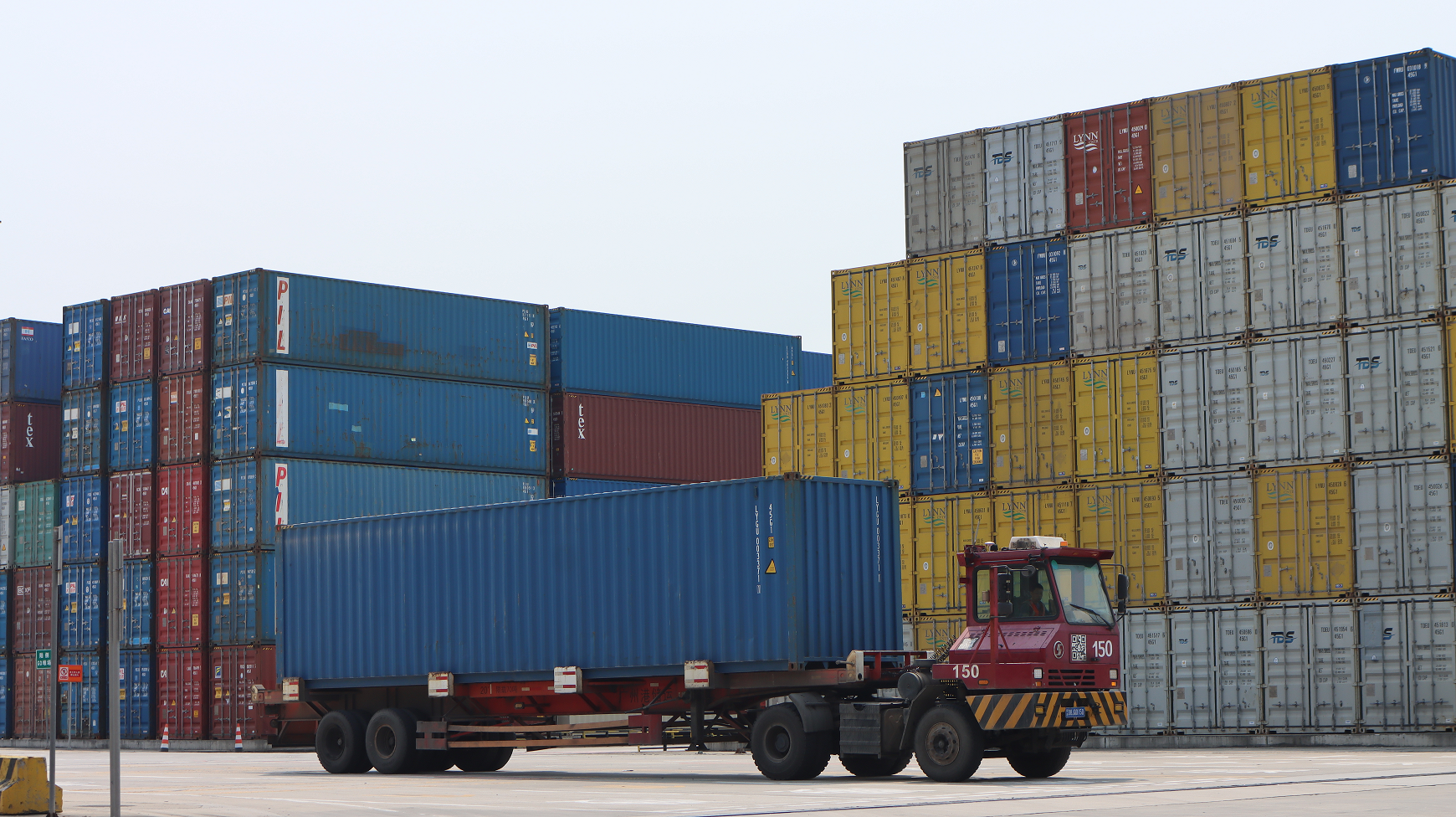
Understanding Geopolitical Risks in Global Shipping
Key Threats: Armed Conflicts, Maritime Security Incidents, and Strategic Chokepoint Disruptions
When fighting breaks out along key shipping lanes, ships face serious problems getting through. They often have to take detours that can add about 30% to their travel time. Security issues at sea make things even worse. Piracy attacks, missile dangers, and naval blockades all become bigger threats, especially in places like the Red Sea and South China Sea. Insurance costs for ships going through these areas shot up around 400% last year according to Lloyd's Market Association data. The real trouble spots are those narrow passages between landmasses. Take the Strait of Hormuz for instance it moves roughly 21% of all oil worldwide. Then there's the Suez Canal handling about 12% of maritime trade globally. If something happens to disrupt traffic through either of these critical points, companies start seeing all sorts of problems downstream. Fuel bills go way up because ships need to burn more while taking longer routes. Cargo gets stuck waiting weeks instead of days. And businesses end up paying extra fees sometimes over $2,500 just to get containers moved when regular services aren't available.
Regulatory and Trade Policy Risks: Tariffs, Sanctions, and Fragmented Compliance Requirements
Trade policies keep changing and creating all sorts of headaches beyond just the physical stuff getting disrupted. When countries slap unilateral tariffs on each other, import costs can shoot up anywhere from 15% to maybe even 25% overnight. And then there are these sanctions regimes, especially when they target energy routes, which means companies have to constantly check where their cargo came from, who owns it, and what it's going to be used for. The problem gets worse because compliance rules vary so much everywhere. Multinational shipping companies basically have to deal with more than 200 different regulatory systems every single year. To handle all this mess, most companies end up hiring separate compliance teams for different regions, which adds about seven hundred forty thousand dollars to their yearly expenses according to some research from Ponemon Institute back in 2023.
Building Resilience Across Global Shipping Operations
Route Diversification, Port Redundancy, and Multimodal Contingency Planning
Building real resilience means having more than just backup plans; it needs built-in redundancies throughout operations. Diversifying shipping routes helps cut down reliance on those unpredictable bottlenecks such as the Suez Canal and Panama Canal area, which handle around 12 percent of world trade but often run into problems when there are political tensions. Having multiple ports ready to go across different regions makes it possible to quickly switch cargo destinations if main ports get shut down or backed up. When things get shaky at sea, companies can move containers from Asia to Europe via train lines instead, cutting down wait times by roughly 15 to 22 days according to recent data. All these strategies turn potential disaster points into something we can manage without compromising how reliable our services remain for customers.
Leveraging Real-Time Geopolitical Risk Intelligence and Predictive Analytics
Operators who want to stay ahead of the game are turning to AI platforms that pull together all sorts of real time threat information. Think about things like warnings about naval blockades, updates on possible port strikes, or even predictions about changes in tariffs. These systems look at hundreds of different risk factors and can actually get ships rerouted anywhere from two to three days before problems really start causing trouble. The predictive models go beyond just immediate issues too. Take the Red Sea situation for example – if it gets closed down completely, ports around the Mediterranean could see their congestion levels jump by roughly 40% within about ten days according to recent data. When companies turn this kind of intelligence into actual action plans, they end up cutting down on canceled voyages by somewhere around 30%. That means saving money too – estimates suggest avoiding about $740 thousand per day in losses when big disruptions happen, based on findings from the Maritime Risk Index last year.
Economic Impact of Geopolitical Instability on Global Shipping Markets
Freight Rate Volatility, Insurance Premiums, and Charter Market Disruptions
When geopolitical situations get unstable, they send shockwaves through shipping markets that nobody really wants to deal with. Shipping companies often have to divert their routes, which makes voyages longer by roughly 15 to 30 percent. This naturally drives up freight costs. Take the Asia-Europe route for example - container rates shot up an incredible 250% reaching $5,300 per TEU when there were ongoing issues in the Red Sea between 2023 and 2024 according to Drewry's report from last year. Insurance costs for ships traveling through dangerous waters like the Gulf of Guinea have also gone through the roof. Now insurers charge up to 0.5% of a ship's value for each trip, compared to just 0.1% before these problems started as noted by Lloyd's Market Association in 2024. The charter market isn't faring much better either. With so many vessels taking detours around the Cape of Good Hope instead of going through traditional routes, there simply aren't enough ships available in certain lanes. This scarcity has pushed Panamax time charter rates up by 37% compared to the same period last year according to Clarksons data from earlier this year.
| Impact Dimension | Pre-Crisis Benchmark | Current Peak | Change |
|---|---|---|---|
| Asia-Europe Freight Rates | $1,500/TEU | $5,300/TEU | +253% |
| War Risk Insurance Premiums | 0.1% of vessel value | 0.5% of vessel value | +400% |
| Panamax Time-Charter Rates | $18,000/day | $24,700/day | +37% |
This volatility disproportionately burdens developing economies, where shipping costs can represent 20% of import value—a five times the 4% share seen in advanced economies (UNCTAD 2023). Strategic contingency planning is no longer optional; it’s foundational to cost control and service continuity.
Collaborative Mitigation Strategies for Sustainable Global Shipping
Public–Private Partnerships: IMO Guidance, Naval Escorts, and Risk-Sharing Alliances
Effective risk management requires working together rather than everyone going their own way. The International Maritime Organization has developed standards that most countries follow when it comes to keeping ships safe. These guidelines help ports and ship registries implement similar security measures worldwide. When ships sail through dangerous areas, naval protection makes a big difference. Take the Strait of Hormuz for instance where multiple navies work together to keep shipping lanes open and prevent pirate attacks. Companies are also forming partnerships to share risks. Carriers, freight companies, and insurance firms join forces to spread out potential losses from conflicts at sea. This gives them better leverage when negotiating insurance rates and helps stabilize costs during turbulent times. Experts in maritime security say these collaborative efforts cut down on delays by around 18 to 34 percent in war-torn regions, plus they save money overall because the risk is spread across many different players instead of resting on just one company's shoulders.
Balancing Short-Term Rerouting with Long-Term Infrastructure Investment
Resilience really works best when we think about it in two ways at once: quick fixes for problems as they happen, plus getting our systems ready for what might come next. When something blocks shipping routes suddenly, like what happened in the Suez Canal back in 2021, companies often just reroute ships temporarily. But if we want lasting stability, we need to invest in better facilities at secondary ports. This means installing automated cargo equipment, building deeper water docks, and setting up places where ships can refuel with cleaner alternatives. Studies show that spending around $1 million on these improvements can save about $4.3 million worth of disruptions over five years. Ports that adopt this two-pronged strategy don't just handle crises better, they actually gain an edge in operations while also meeting stricter environmental regulations. As global trade continues to swing between calm and chaos, this kind of forward thinking becomes increasingly important for businesses trying to stay competitive.
Frequently Asked Questions
How do geopolitical risks affect global shipping?
Geopolitical risks such as armed conflicts, piracy, and policy changes can disrupt major shipping routes, leading to increased travel times, elevated insurance premiums, and additional surcharges.
What are the major chokepoints in global shipping?
Major chokepoints like the Strait of Hormuz and the Suez Canal are critical passages in global shipping that handle a significant percentage of world trade. Disruptions here can severely impact shipping costs and timelines.
How are shipping companies building resilience against geopolitical risks?
Companies are employing strategies such as route diversification, port redundancy, and leveraging real-time risk intelligence to mitigate potential disruptions and improve operational resilience.
Why are insurance premiums for ships increasing?
Insurance premiums are rising due to heightened risks in certain maritime areas such as increased piracy, conflict, and stricter regulatory compliance requirements.
How can public-private partnerships help in managing shipping risks?
Collaborative efforts between public entities and private companies, such as risk-sharing alliances and naval escorts in high-risk areas, help in reducing delays and stabilizing costs.