 EN
EN

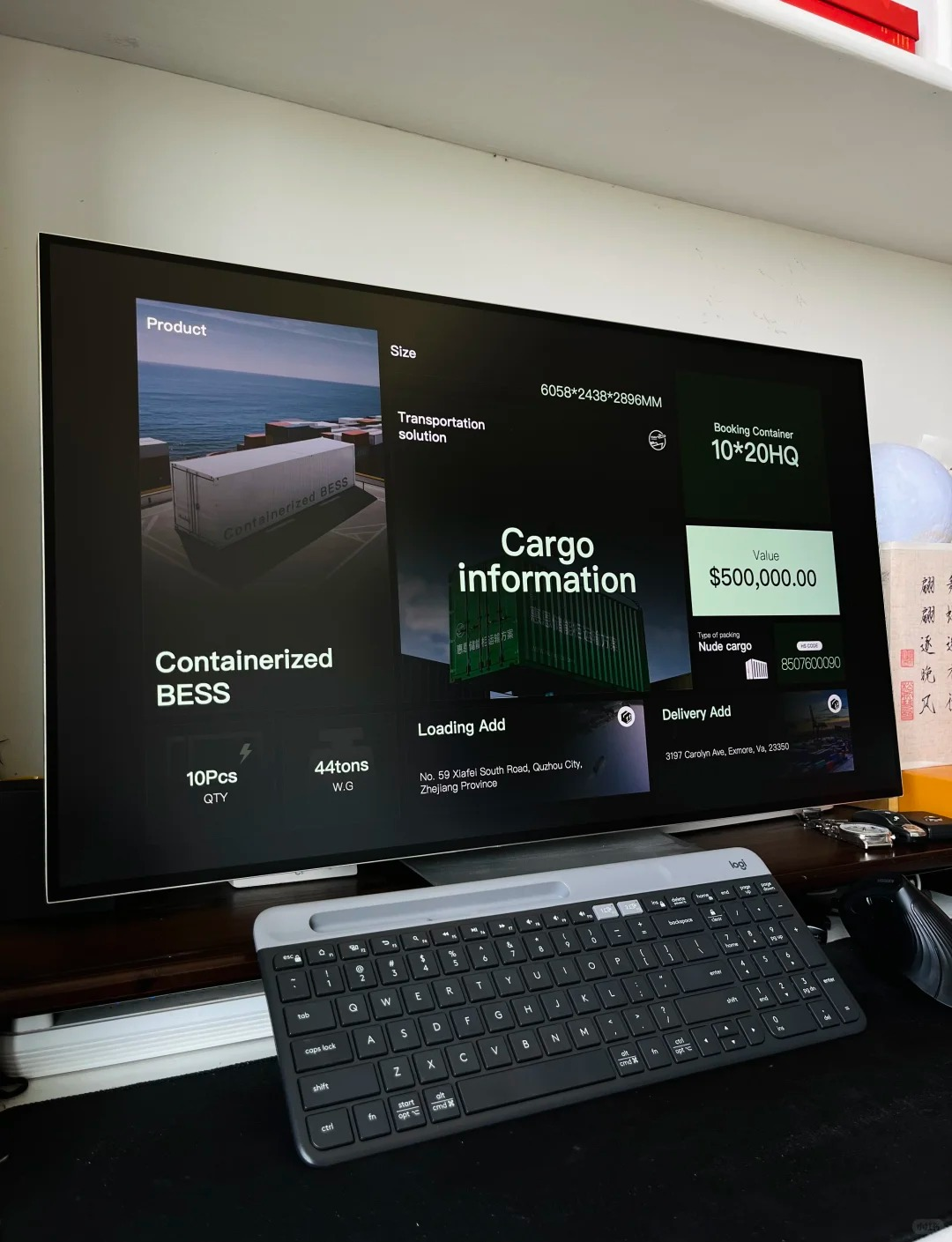
What Are Feeder Costs and Why They Matter in Logistics Strategy
The money spent on moving containers from those smaller "feeder" ports to big hub terminals makes up around 15% to 28% of what shipping companies spend overall according to Maritime Economics from 2023. This expense really shapes how businesses plan their logistics because if it gets too expensive in certain regions, they might just stop serving there altogether. And let's not forget about those extra fees ships get charged when stuck waiting at busy ports. We're talking anywhere from $180 to as much as $740 each day per container! That kind of cost adds up fast. So companies need to figure out smarter ways to handle these feeder routes if they want to keep making money on those final legs of delivery across the sea.
Key Factors Behind Rising Feeder Expenses in Global Supply Chains
Three interconnected forces are reshaping cost dynamics:
- Fuel Surcharge Volatility: Bunker prices fluctuated 40% year-to-date on key Asian routes
- Equipment Imbalance: Repositioning an empty container now costs $85– $120, up from $60 pre-pandemic
- Labor Strain: Port worker shortages have extended vessel turnaround times by 17% (Drewry 2023)
This trifecta compels logistics teams to revise cost models quarterly rather than annually.
How Port Congestion Impacts Logistics Strategy and Budgeting
Chronic congestion at major hubs like Rotterdam and Singapore averages 5.3 days–more than double the 2.1-day average in 2020. This creates cascading costs:
| Congestion Effect | Cost Impact | Frequency |
|---|---|---|
| Detention Fees | $420/day | 68% of shipments |
| Missed Connections | $7,200 avg | 29% of Q1 shipments |
| Cold Chain Spoilage | 18% higher risk | Congested ports |
To mitigate these risks, leading logistics strategies now mandate alternate routing when congestion exceeds 72 hours, using real-time AIS (Automatic Identification System) data from 90% of global vessels.
Optimizing Routes with Data-Driven Logistics Strategy Tools
Using Predictive Analytics for Smarter Feeder Routing Decisions
With predictive analytics, logistics planners get ahead of potential delays by looking at past patterns plus current factors like bad weather and crowded ports. Some research from earlier this year showed businesses that adopted these systems saw their shipping times drop by around 18 percent, all while keeping schedules pretty reliable at about 97%. When we combine machine learning algorithms with Automatic Identification System data, shipping crews actually run through different route options before picking what looks most cost effective. Take for instance how a shipping company in Southeast Asia changed course when typhoons were forecasted months ago. This proactive move saved them somewhere around two and a half million dollars worth of downtime caused by storms just last calendar year alone.
AI-Powered Dynamic Route Adjustment in Modern Logistics Strategy
Big shipping companies are starting to use smart computer programs that change delivery paths when things go wrong on the road or when gas prices jump unexpectedly. These systems look at loads of information during each trip journey stuff like whether there's space at the dock and what fuel costs look like every hour. Some research from last year found that ships using these smart routing tools actually get better results from their equipment around 22 percent improvement over old fashioned planning techniques. Plus, ships can arrive exactly when needed instead of sitting around waiting, which cuts down wasted time at busy ports across the whole industry by roughly a third according to recent estimates.
Case Study: Reducing Transit Times by 30% Through Real-Time Monitoring
A Mediterranean feeder operator cut transit times by 30% across its Adriatic Sea network after implementing IoT-enabled monitoring. The system tracks vessel speed, cargo temperature, and port turnaround metrics, updating every 15 minutes to a central dashboard. Key results included:
| Metric | Before Implementation | After Implementation | Improvement |
|---|---|---|---|
| Average port dwell time | 14.7 hours | 9.8 hours | 33% |
| Fuel consumption | 28.4 tons/day | 24.1 tons/day | 15% |
| On-time deliveries | 82% | 94% | 12% |
This case illustrates how integrated data systems strengthen logistics execution while lowering operational costs.
Leveraging Cargo Consolidation and Industry Collaboration
How Cargo Consolidation Lowers Per-Unit Feeder Costs
When small shipments get combined into full containers, companies typically save around 30% on their logistics costs because they're making better use of space and splitting transportation fees among multiple parties. The port area in Singapore has become quite efficient at this with consolidation centers reducing feeder costs by about $78 per TEU. These hubs collect goods from different suppliers heading to various regional ports, creating economies of scale that wouldn't exist otherwise. Another big plus is that combining shipments makes paperwork and customs processing much smoother since there are fewer individual consignments to track and document throughout the supply chain.
Overcoming the Competition-Collaboration Paradox in Maritime Logistics
Shipping companies that used to be locked in fierce competition are increasingly turning to neutral digital platforms such as CargoStream for coordinating their feeder vessel schedules and securing berthing spots at ports. The Baltic Exchange reports something interesting here too: when groups of carriers shared around 45 percent of the Asia-Europe feeder market capacity, they managed to cut down fuel usage by approximately 18% simply by aligning their port visits better. Getting this right really depends on having common data standards across the board plus clear revenue sharing arrangements that independent auditors can check over regularly. Without these elements in place, the whole system just doesn't work as smoothly as it needs to for everyone involved.
Proven Alliance Models in Global Feeder Network Optimization
| Alliance Type | Cost Reduction | Implementation Timeline |
|---|---|---|
| Slot-Sharing Agreements | 22–27% | 3–6 months |
| Joint Terminal Operations | 15–19% | 8–12 months |
| Digital Freight Pools | 31–34% | 4–8 weeks |
The Mediterranean Shipping Alliance demonstrates how 14 carriers sharing feeder routes between Southern Europe and North Africa achieved 92% vessel load factors using AI-driven cargo matching. These models show competitors can collaborate on infrastructure while differentiating through customer service and pricing.
Integrating Technology to Reduce Feeder Costs Long-Term
Blockchain for Transparent and Efficient Feeder Cost Management
Blockchain creates immutable transaction records, cutting billing disputes by 32% in port-to-feeder operations (Maritime Tech Review 2023). Smart contracts automate payments between carriers and terminals, eliminating manual reconciliation delays that typically extend invoice cycles by 5–7 days.
IoT Sensors and Real-Time Tracking in Logistics Strategy Execution
IoT sensors enable granular monitoring of cargo conditions, reducing spoilage risks by 18% for perishables. Real-time location data cuts demurrage costs by alerting planners to deviations 6–12 hours faster than legacy systems, enabling dynamic rerouting around congested hubs.
Balancing High Initial Tech Investment with Long-Term Logistics Savings
While automation tools require upfront investments averaging $120k– $180k per vessel, firms achieve 45% cost reductions in feeder operations within three years (Ponemon 2023). Modular implementations–such as phased IoT rollouts–allow companies to prioritize high-impact upgrades while spreading capital expenditures over 18–24-month ROI cycles.
Strategic Port Selection to Minimize Feeder Cost Premiums
Evaluating Secondary Ports to Avoid Overpriced Major Hubs
Integrating secondary ports into logistics strategy can reduce handling fees by 20–30% compared to congested major hubs. These facilities often offer faster turnaround due to lower congestion, with some processing containers 40% faster during peak seasons. Key evaluation criteria include proximity to inland destinations, intermodal connectivity, and cargo volume capacity.
The Rise of Nearshoring and Regional Logistics Strategy Hubs
Shifting 15–20% of shipments to regional hubs within 500 miles of production sites lowers fuel costs by $18/ton and reduces transit time variability by 34%. This approach supports faster delivery expectations while mitigating risks from global supply chain disruptions.
Data Insight: Up to 22% Feeder Cost Reduction via Alternate Ports
A 2024 analysis of 12,000 container shipments revealed that companies using data-driven port selection tools achieved:
| Metric | Major Ports | Alternate Ports | Improvement |
|---|---|---|---|
| Average Handling Cost | $980 | $765 | 22% |
| Customs Clearance Time | 52 hrs | 38 hrs | 27% |
| Last-Mile Delivery Cost | $310 | $265 | 15% |
These savings compound when combined with route optimization technologies, forming a scalable cost-reduction model for global logistics operations.
FAQ
What are feeder ports in logistics?
Feeder ports act as smaller ports where cargo is transported to bigger hub terminals. They play a key role in the logistics chain by enabling smaller shipments to consolidate before reaching major hubs.
Why are feeder costs significant in logistics strategies?
Feeder costs form a considerable percentage of total shipping expenses and heavily influence logistics planning as they can lead to higher expenses or even force companies out of certain regions if they become too costly.
How does port congestion affect logistics operations?
Port congestion leads to increased economic costs, such as detention fees and missed connections, impacting delivery schedules and budgets. Mitigating congestion through alternate routing can help reduce these risks.
What role does technology play in reducing feeder costs?
Technology such as IoT, blockchain, and predictive analytics optimize logistics by improving route planning, enhancing transparency, and monitoring for real-time adjustments, thus reducing feeder costs.
How do alliances help in feeder network optimization?
Alliances through mechanisms like slot-sharing or joint terminal operations enable cost reductions by improving operational efficiencies and resource optimization, benefiting from shared infrastructure and intelligence.
Table of Contents
- What Are Feeder Costs and Why They Matter in Logistics Strategy
- Key Factors Behind Rising Feeder Expenses in Global Supply Chains
- How Port Congestion Impacts Logistics Strategy and Budgeting
- Optimizing Routes with Data-Driven Logistics Strategy Tools
- Leveraging Cargo Consolidation and Industry Collaboration
- How Cargo Consolidation Lowers Per-Unit Feeder Costs
- Overcoming the Competition-Collaboration Paradox in Maritime Logistics
- Proven Alliance Models in Global Feeder Network Optimization
- Integrating Technology to Reduce Feeder Costs Long-Term
- Strategic Port Selection to Minimize Feeder Cost Premiums
- Evaluating Secondary Ports to Avoid Overpriced Major Hubs
- The Rise of Nearshoring and Regional Logistics Strategy Hubs
- Data Insight: Up to 22% Feeder Cost Reduction via Alternate Ports
- FAQ