 EN
EN

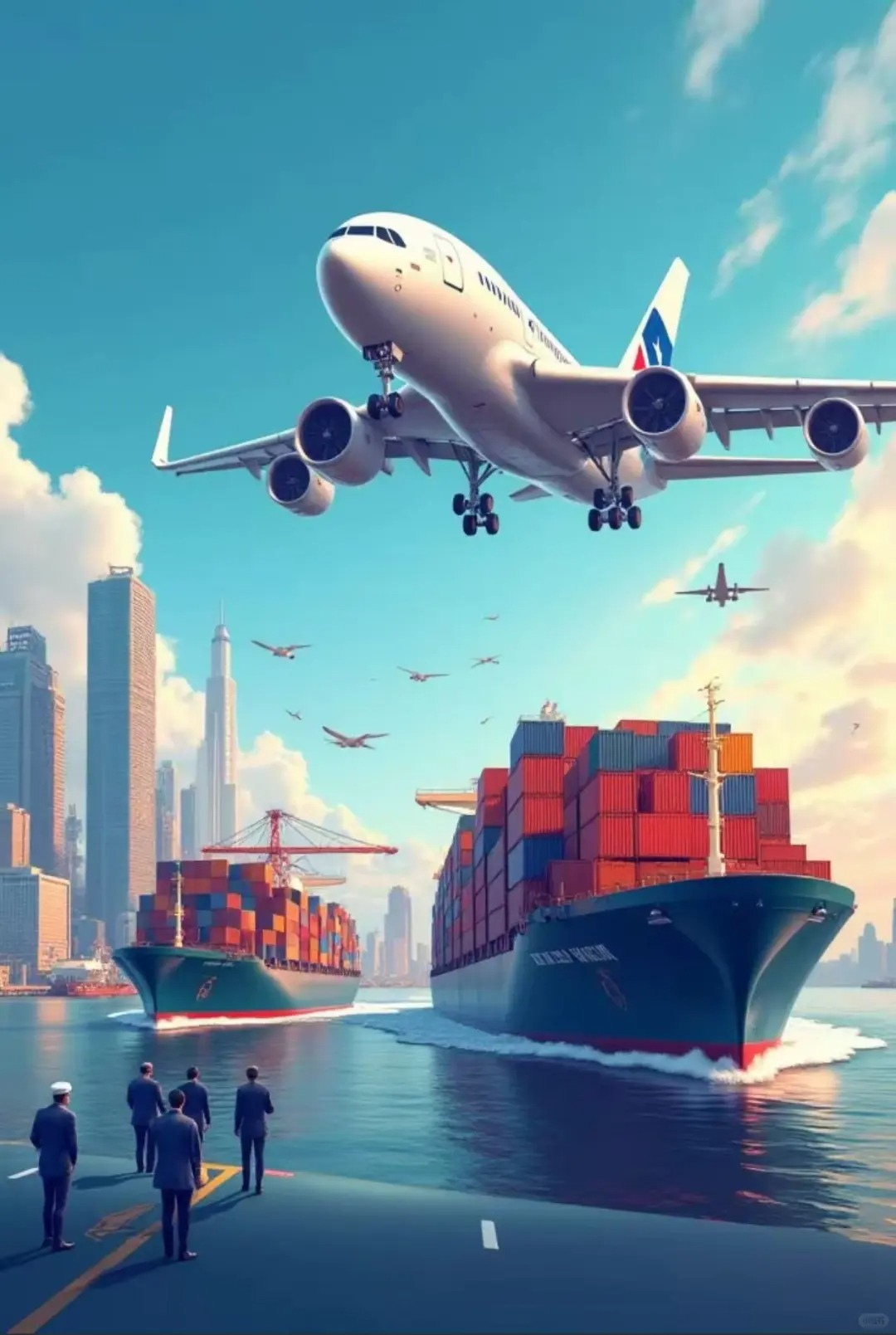
Key Pain Points in Cross-Border Logistics
Shipping goods around the world means dealing with all sorts of headaches when it comes to customs. Different countries have their own rules for paperwork, some want this form filled out while others need that stamp, and nobody agrees on what kind of taxes should apply. According to an industry report from last year, almost three quarters of international shipments run into problems because items get classified wrong or important papers are missing. Take the case of an auto parts company that ended up paying over two hundred thousand dollars in storage fees at the port. They messed up the HS code classification somehow, which caused the whole shipment to be held by customs officials until everything was sorted out properly.
How Regulatory Compliance Impacts Cargo Transit Times
Shifting certification rules for restricted commodities such as lithium batteries and agricultural products add 3–7 days to transit timelines annually. According to a 2023 OECD study, businesses lacking localized compliance expertise incur 28% higher operational costs.
The Role of Customs Clearance in Minimizing Border Delays
Automated documentation systems reduce clearance processing times by 40% on average, based on global customs efficiency benchmarks. Pre-submission of electronic cargo manifests and duty calculators helps avoid bottlenecks at high-traffic ports like Rotterdam and Long Beach.
Trade Policy Changes and Their Ripple Effects on Logistics Solutions
Post-Brexit Rules (2021)
| Change | Impact | Mitigation Strategy |
|---|---|---|
| UKCA marking | 12% slower EU-UK deliveries | Pre-certify products in both markets |
| Phytosanitary checks | +18 hrs avg. border wait | Dedicated inspection lanes |
The US-China trade war (2018–2023) forced 63% of affected companies to adopt dual-supply-chain strategies, blending near-shoring and inventory buffers.
Industry Paradox: Increasing Regulation vs. Demand for Speed
While 81% of consumers expect cross-border orders within 5 days (DHL 2023), governments have implemented 23% more safety and security checks since 2020. Leading logistics providers now use predictive analytics to balance compliance with delivery SLAs, achieving 92% on-time rates despite tighter controls.
Customs Compliance and Proactive Planning in Tailored Logistics Solutions
Core Components of Shipping Compliance Regulations
For anyone working in modern logistics, getting a handle on three main regulatory areas is absolutely essential. First, there's the Harmonized System or HS codes that classify products properly. Then comes the INCOTERMS® 2024 rules which determine who takes responsibility during shipping. And finally, each country has its own way of calculating import duties based on specific formulas. Getting these wrong can cause major headaches. According to World Customs Organization data from last year, non-compliance led to around $6.9 billion worth of cargo sitting stuck somewhere along the supply chain. A full third of those problems happened because companies got their HS codes mixed up somehow. Things are getting even more complicated though. New regulations like forced labor documentation required under US law since 2023, and upcoming EU requirements for carbon footprint reporting starting in 2026 mean businesses need to start thinking about sustainability and ethical sourcing right now if they want to keep their goods moving across borders without unnecessary delays.
Streamlined Customs Procedures Through Proactive Planning
Top logistics firms are cutting their border clearance times down to around 72 hours these days, which is half what most others take at 144 hours on average. How do they manage this? Well, they start by sending digital manifests ahead of time with those blockchain verified certificates everyone's talking about lately. Then there's the whole AI thing where systems predict possible inspection issues before they happen. And let's not forget the smart routing tech that actually adjusts routes based on current traffic conditions at borders. According to some research from McKinsey last year, businesses that use these geofenced compliance databases see about a two thirds drop in duty reclaim problems because they track local regulations so much better than traditional methods.
Case Study: Reducing Clearance Time by 40% With Automated Documentation
A North American electronics manufacturer facing $2.4M in annual customs delays implemented machine learning-powered HS code validation and automated certificate generation systems. Within 11 months, results included:
Frequently Asked Questions
What are HS codes?
HS codes, or Harmonized System codes, are international product classification codes used to standardize and facilitate trade between countries.
How do incorrect HS codes affect shipments?
Incorrect HS codes can lead to delays, additional taxes or duties, and even the refusal of goods at the border.
What is the impact of post-Brexit rules on logistics?
Changes such as UKCA marking and phytosanitary checks have slowed down EU-UK deliveries and increased border wait times.
How do logistics companies use technology to minimize border delays?
Logistics companies use technology like automated documentation, predictive analytics, and smart routing to reduce border delays and increase efficiency.
Table of Contents
- Key Pain Points in Cross-Border Logistics
- How Regulatory Compliance Impacts Cargo Transit Times
- The Role of Customs Clearance in Minimizing Border Delays
- Trade Policy Changes and Their Ripple Effects on Logistics Solutions
- Industry Paradox: Increasing Regulation vs. Demand for Speed
- Customs Compliance and Proactive Planning in Tailored Logistics Solutions
- Frequently Asked Questions