 EN
EN

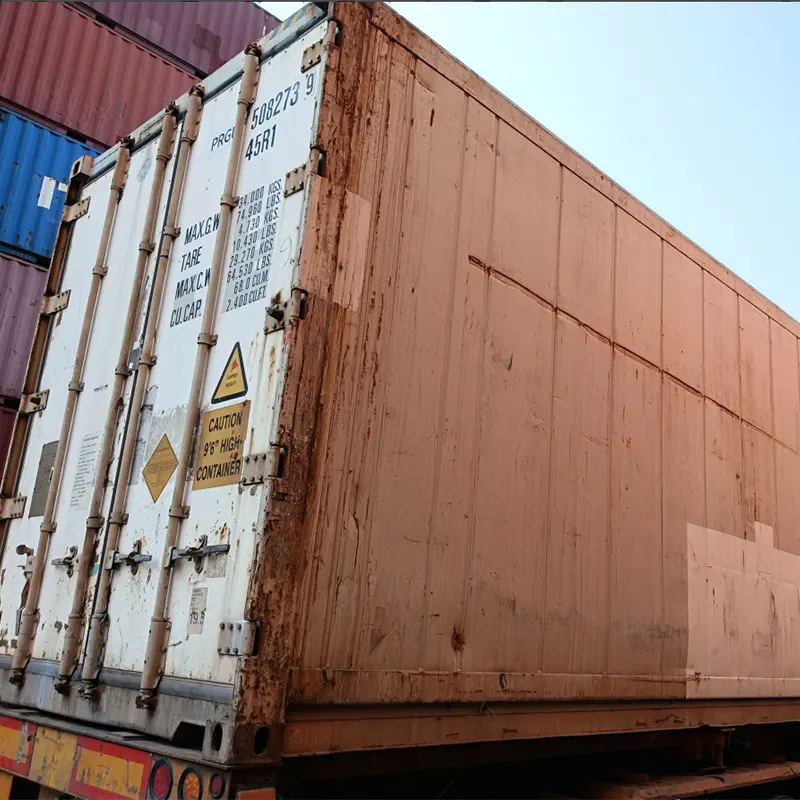
Navigating the trade lanes between the Far East, Middle East, and India is a feat of engineering and precision. As demand for rapid industrial and consumer goods distribution surges, shippers often find that generic shipping solutions simply cannot keep up with the volatility of these markets. Developing a highly effective logistics strategy requires more than just booking space; it demands a deep understanding of how specialized liner services like GALEX (Gulf Asia Lines Express) and CSC (China Shipping Container Lines) function within these unique maritime corridors.
Mastering GALEX and CSC Liner Capabilities
The GALEX and CSC services are the backbones of regional connectivity, offering high-frequency loops that link major industrial hubs. For a successful logistics strategy, shippers must recognize that these services operate differently in terms of port rotation and container availability. GALEX typically offers robust connections for high-volume trade between Northeast Asia and the Middle East, while CSC services often excel in providing granular coverage across diverse Indian ports. Aligning the cargo nature with the specific strengths of these liners ensures optimal transit times and protects supply chain integrity against unexpected port congestion.

Strategic Route Prioritization
| Service Route | Primary Regional Strength | Best Suited For |
| GALEX | Middle East Hub Ports | High-volume industrial & finished goods |
| CSC | Indian Subcontinent Coverage | Raw materials & regional distribution |
| Combined | Gateway Connectivity | Complex, multi-destination supply chains |
Troubleshooting Logistics Bottlenecks
| Common Challenge | Root Cause | Strategic Mitigation |
| Port Congestion | Seasonal peaks or infrastructure limits | Pre-booking & alternative port planning |
| Documentation Delays | Inconsistent regional customs requirements | Automated compliance & expert vetting |
| Capacity Shortages | Liner space allocation volatility | Early-stage forecast & partner reservation |
Fine-Tuning the Supply Chain Flow
A top-tier logistics strategy is built on transparency and fluidity. When shipping to the Middle East and India, document management is often as critical as the physical vessel space. Small errors in the Bill of Lading or incorrect HTS classifications can lead to severe fines and prolonged terminal storage fees. By synchronizing documentation timelines with the actual vessel sailing schedules of GALEX or CSC, operators can reduce friction at customs checkpoints. Furthermore, maintaining clear communication across time zones—from the manufacturing site to the final destination in Mumbai or Jebel Ali—ensures that every stakeholder is aligned, minimizing the risk of downtime.

Expert Orchestration for Seamless Shipping
Orchestrating these shipments requires a partner who understands the nuances of both the sea and the shore. Primecntrans operates as the vital link between manufacturers and these elite liner services. By offering deep market intelligence and a track record of handling high-stakes cargo flows, Primecntrans ensures that shipments are not just moved, but managed. Their ability to secure space during peak seasons and provide real-time updates transforms the inherent risks of international shipping into a predictable, high-performance operation. Through professional coordination and a commitment to reliability, Primecntrans enables businesses to scale their regional presence with absolute confidence.
Achieving Long-Term Regional Growth
The ultimate objective of any robust logistics strategy is long-term stability. As trade corridors in the Middle East and India become increasingly sophisticated, the barrier to entry shifts toward efficiency and reliability. Leveraging high-performance liner services like GALEX and CSC under the guidance of seasoned professionals provides the competitive edge necessary for success. With Primecntrans handling the complexities, companies are free to focus on their core business, knowing that their supply chain is being managed with the highest standard of industrial expertise and operational foresight.