 EN
EN

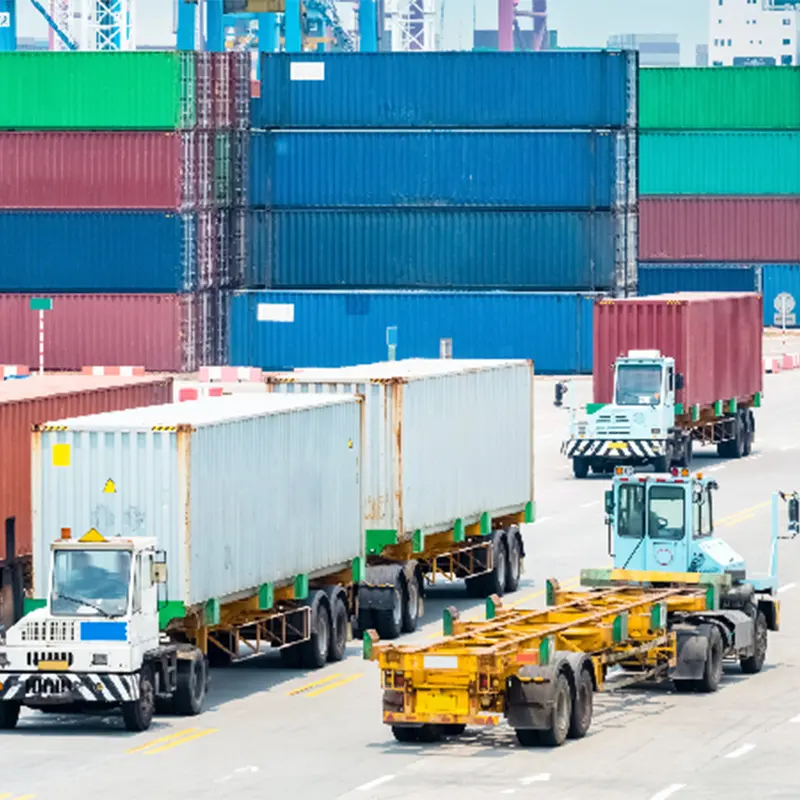
The maritime landscape connecting the Red Sea to the Mediterranean has become increasingly complex, with traditional shipping lanes facing significant geopolitical headwinds. For global shippers, "business as usual" is no longer a viable plan. Cutting transit costs in this volatile environment requires a sophisticated logistics strategy that moves beyond pure ocean freight. By integrating Rail-Cargo Services (RCS) and specialized Feeder-Maritime Services (FMS), businesses are discovering a new blueprint for maintaining supply chain continuity while keeping expenditures under control.
The Geopolitical Context and Cost Pressures
When main shipping lanes face closures or security threats, the immediate result is a surge in spot rates and inventory holding costs. Relying on a single mode of transport creates a single point of failure. Modern freight management demands a pivot toward diversification. The cost of delay—measured not just in fuel surcharges but in lost market share—has made shippers prioritize reliability over legacy routing. Shifting to an integrated approach effectively hedges against these sudden market spikes.
Leveraging RCS and FMS for Optimized Transit
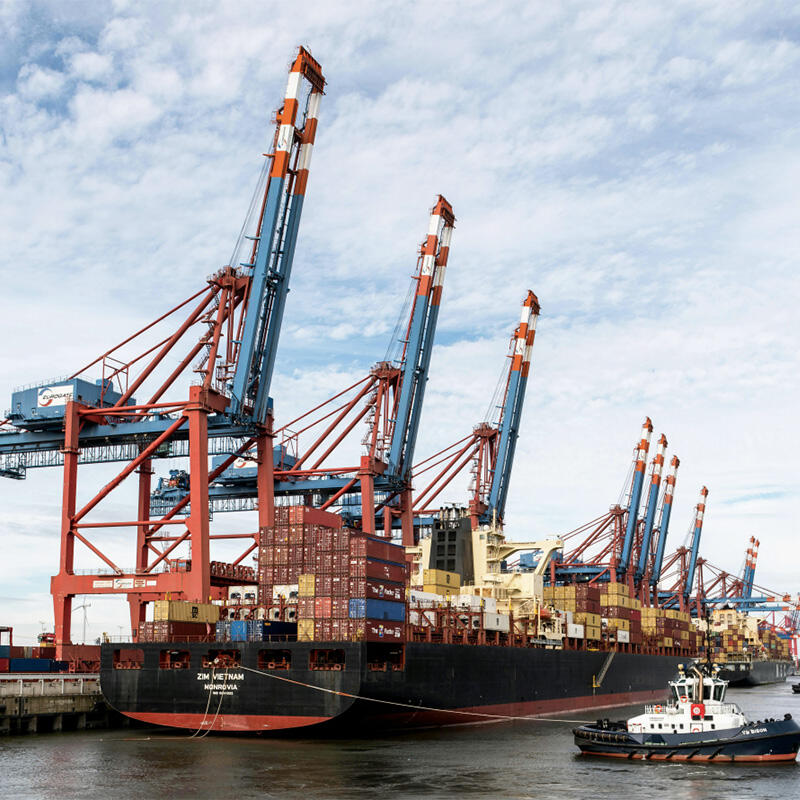
The combination of RCS and FMS functions as a tactical "bridge." Rail-Cargo Services provide the land-based backbone, bypassing congested maritime chokepoints, while Feeder-Maritime Services ensure deep penetration into regional Mediterranean ports. This hybrid approach allows for faster door-to-door delivery times compared to traditional rerouting around the Cape of Good Hope. By utilizing shorter, more reliable legs, companies can drastically reduce buffer stock requirements, which directly lowers capital tied up in the supply chain.
| Transit Mode | Speed | Cost Predictability | Primary Benefit |
| Ocean Freight (Rerouted) | Low | Low | Avoids complexity, but very slow |
| RCS + FMS Hybrid | High | High | Balanced cost and speed |
| Air Freight | Very High | Very Low | Only viable for urgent, light cargo |
Operational Efficiency and Risk Mitigation
A successful strategy is built on visibility. Integrating RCS and FMS requires digital orchestration—ensuring that cargo movement is tracked seamlessly across rail yards and feeder vessels. Operational excellence is achieved by minimizing hand-offs and coordinating arrivals to prevent "dead time" at ports. Proactive risk mitigation, such as pre-booking rail slots and securing feeder capacity in advance, prevents the price-gouging often seen when supply chains are forced to scramble for last-minute solutions.
| Strategic Move | Operational Impact | Financial Benefit |
| Multimodal Synchronization | Reduced dwell time | Lower storage fees |
| Digital Tracking Integration | Better inventory planning | Reduced emergency shipping costs |
| Strategic Feeder Capacity | Guaranteed space | Protection against spot rate spikes |
Supply Chain Excellence with Primecn
Achieving these logistics efficiencies requires deep local knowledge and strong network partnerships. Primecn excels in orchestrating these complex multimodal journeys. By providing tailored logistics solutions that combine rail reliability with the reach of feeder shipping lines, Primecn enables businesses to move cargo through the Mediterranean corridor with confidence. Their end-to-end management approach reduces administrative overhead and ensures that shipments are not just moved, but optimized for cost and time. Through precise coordination, Primecn ensures that cargo reaches its destination regardless of maritime volatility.
Securing the Future of Mediterranean Trade
Adaptability is the greatest asset in the modern shipping industry. Businesses that rely on rigid, outdated logistics models are increasingly vulnerable, while those that adopt the RCS and FMS strategy are gaining a distinct competitive advantage. Partnering with a specialist like Primecn provides the necessary technical infrastructure to turn shipping volatility into operational stability. By treating logistics as a strategic lever rather than a commodity expense, companies can safeguard their profitability and keep their Mediterranean supply chains moving, regardless of the challenges on the high seas.