 EN
EN

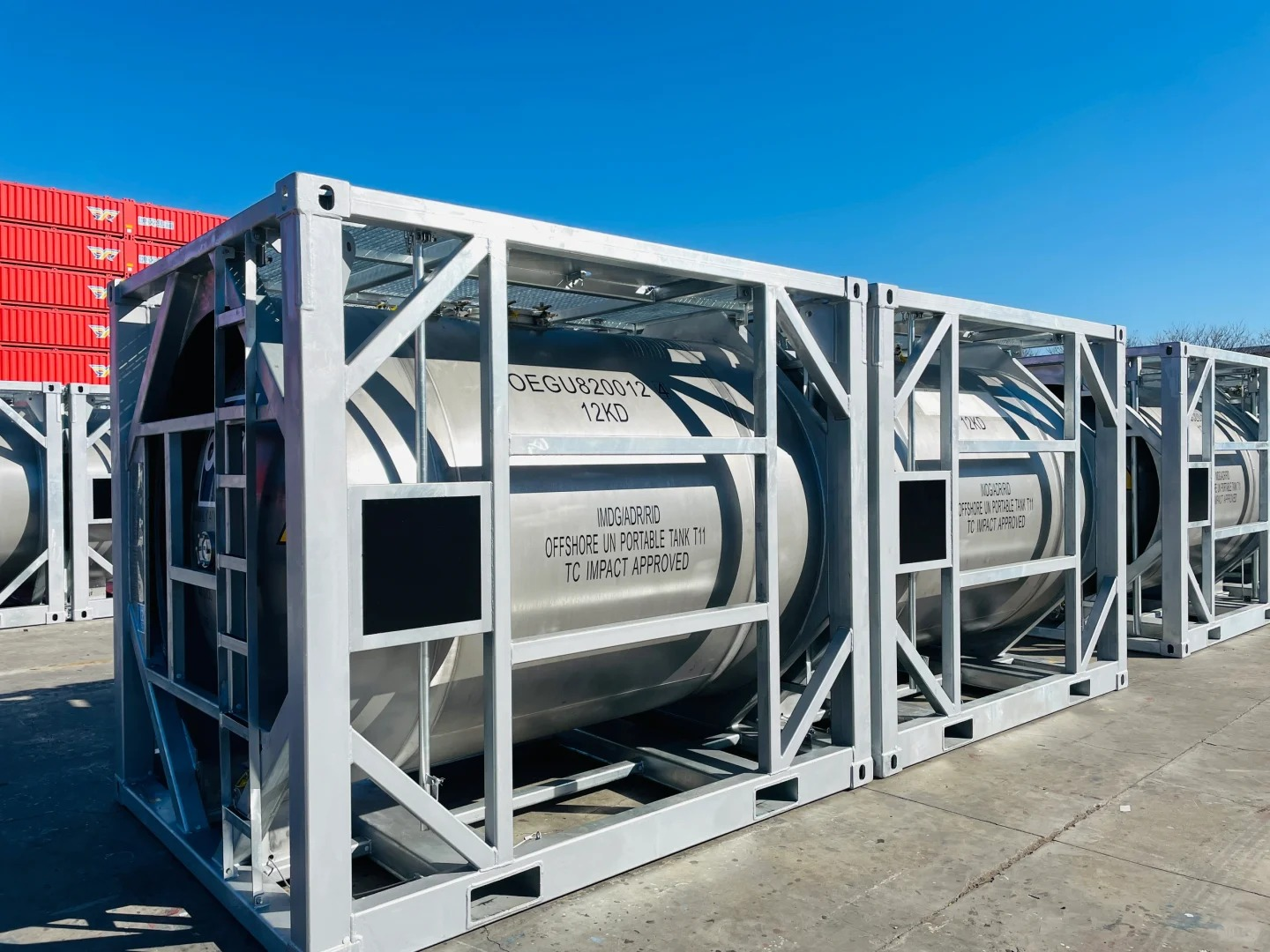
Understanding Cost Drivers in Logistic Services
The cost of logistics services comes down to two main types of expenses: fixed and variable. Fixed costs include things like paying rent for warehouses, financing vehicle fleets, and maintaining tech systems, which don't really change no matter how much gets shipped. On the flip side, variable costs go up and down depending on what's happening day to day. Think about fuel price spikes, workers getting paid by the hour, or those extra charges for moving pallets around. Looking at the bigger picture, the US Transportation Stats folks reported that businesses spent a whopping $2.58 trillion on logistics last year alone, and almost half of all that money went toward transportation itself.
Fixed vs. Variable Cost Structures Across Major Carriers
The way carriers handle different kinds of costs varies quite a bit across the industry. Big national companies rely heavily on their fixed assets such as extensive hub systems spread throughout the country along with custom built software platforms to cut down on overall expenses through bulk operations. On the flip side, regional carriers focus more on keeping their day to day running costs low. They do this by sticking closer to local areas for deliveries, burning less fuel because they don't travel as far, and managing staff schedules more tightly. When it comes to fuel prices swinging around unpredictably, smaller carriers tend to feel the pain more acutely than their larger counterparts. The American Trucking Associations reported something interesting in their 2024 Freight Forecast study last year. If diesel prices jump by about 10%, we usually see carrier charges go up between 3 and 4 percent for each mile driven. That kind of fluctuation really affects how much money stays in pocket at the end of the month for many independent haulers.
Hidden Fees That Inflate Budget-Conscious Shipments
Beyond base rates, undisclosed accessorial charges erode shipping budgets. Common examples include:
- Residential Surcharges: Up to $5 per package for non-commercial addresses
- Dimensional Weight Penalties: Applied when volumetric space exceeds actual weight
- Limited Access Fees: $85+ for deliveries to construction sites, rural locations, or facilities without loading docks
A comprehensive logistics cost breakdown reveals such fees inflate total costs by 12–18% for budget-focused shippers. Proactive contract reviews and standardized shipment documentation—including accurate address classification and dimensional data—are proven safeguards against unexpected line-item charges.
Matching Logistic Services to Shipment Priorities
When selecting logistic services, businesses must align delivery options with specific operational priorities: budget constraints, timeliness requirements, and reliability needs. A one-size-fits-all approach undermines both cost control and customer experience.
Standard vs. Premium Delivery: Transit Time, Reliability, and True Cost per Mile
The standard delivery option usually takes around 5 to 7 days and comes with lower initial prices, though there are hidden expenses that many people overlook. According to industry reports, roughly one out of every four standard deliveries ends up delayed for over two full days. When companies factor in things like rerouting charges, having to send out rush replacement packages, and fines from stock shortages, the actual cost per mile goes up between 18% and 32%. On the other hand, premium shipping services promise much faster turnaround times of just 1 to 3 days with an impressive 98% on time record, but these come at a steep price tag. Businesses should expect to pay about 2.5 times more per mile for this level of service compared to standard options.
To optimize spending:
- Calculate true cost per mile: base rate + delay-related penalties + storage or obsolescence fees
- Reserve premium options for time-critical goods (e.g., pharmaceuticals, perishables, or high-value electronics)
- Use standard shipping for non-urgent, high-margin items where delays pose minimal revenue risk
When Speed Undermines Savings: A Real-World DTC Brand Case Study
A direct-to-consumer apparel brand shifted all shipments to premium air freight to meet advertised 2-day delivery promises. Customer satisfaction rose 15% initially—but logistics costs surged by $220,000 annually, eroding 37% of net profits. Internal analysis revealed 68% of customers accepted 4-day delivery for non-seasonal items without impact on repeat purchase behavior.
By implementing service-tiering—standard ground for basic apparel (75% of shipments) and premium air only for limited-edition launches—the brand reduced annual logistics spend by $158,000 while sustaining 92% customer satisfaction. This underscores how indiscriminate speed prioritization contradicts cost-efficiency goals in budget-conscious operations.
Strategic Selection of Logistic Services for SMBs
The 3-Point Filter: Volume, ZIP Density, and Contract Flexibility
Small and medium businesses (SMBs) can optimize logistic services using a disciplined three-point filter grounded in operational reality—not just rate cards.
Looking at shipment volumes makes sense since most carriers have tiered pricing models. When companies ship around 500 units or more each month, they usually see per unit costs drop somewhere between 15 to 30 percent compared to sending out smaller batches. Next up is ZIP code density analysis. Deliveries concentrated within about 50 miles of each other help cut down on fuel charges, make routing more efficient, and sometimes even qualify for special regional discounts from carriers. According to some research from the Council of Supply Chain Management Professionals back in 2023, businesses that managed to keep their deliveries focused on just 70% of ZIP codes saw last mile costs shrink by roughly 22%. Lastly, don't get stuck in long term contracts. Better to go with flexible arrangements that allow adjusting volume levels as needed, include quarterly reviews of rates, and have straightforward exit options written into them. This approach handles those inevitable ups and downs in demand while avoiding those nasty overcapacity fees when business slows down.
Applied together, this filter transforms cost constraints into strategic levers for SMBs.
Aligning Logistic Services with Customer Value Tiers
Segmenting customers by profitability—not just order frequency or size—enables precise, margin-preserving service alignment. High-tier clients generating 60% of revenue warrant premium features like real-time tracking, priority dispatch, and dedicated account management. Budget-conscious shipments, meanwhile, benefit from standardized transit options and consolidated fulfillment—avoiding unnecessary service inflation.
This targeted approach prevents overserving low-margin accounts—a misalignment that inflates operational costs by up to 38%, per CSCMP’s 2023 Logistics Performance Benchmark. Manufacturers and distributors can implement a three-tiered framework:
- Elite Tier: Dedicated carriers, expedited delivery, white-glove handling
- Core Tier: Balanced SLAs with mid-range transit times and standard visibility tools
- Value Tier: Consolidated LTL or parcel pooling via economy carriers
By matching service intensity to customer lifetime value—not perceived expectations—companies eliminate wasteful universal standards while maintaining retention for strategic accounts. This precision avoids scenarios where logistics costs disproportionately erode margins on high-volume, low-yield shipments.
Implementation Tip:
- Audit shipment data quarterly to recalibrate tiers based on profitability shifts
- Automate carrier assignment rules through warehouse management systems to enforce tier-based routing consistently
FAQ
What are the primary cost drivers in logistics services?
The primary costs in logistics services are categorized into fixed and variable costs. Fixed costs include warehouse rent, fleet financing, and tech systems. Variable costs fluctuate and include fuel price changes, hourly wages, and additional charges for services such as pallet movement.
How do fixed and variable costs differ across major carriers?
Larger national carriers generally rely on extensive fixed assets and bulk operations to cut costs, while regional carriers focus on minimizing day-to-day costs by staying local, which helps in managing fuel expenses and staffing schedules more effectively.
What are hidden logistic fees and their impact?
Hidden logistic fees include residential surcharges, dimensional weight penalties, and limited access fees. These can increase total costs by 12-18% for budget-focused shippers.
How can SMBs optimize logistic costs?
SMBs can use a three-point filter based on volume, ZIP code density, and contract flexibility to strategically manage logistics costs. This approach leverages mass shipment discounts, regional efficiencies, and flexible contract terms.
Why is aligning logistic services with customer value important?
Aligning logistics services with customer value helps in precise service alignment that preserves margins, especially for high-tier clients. This ensures resources are efficiently allocated, avoiding unnecessary costs on low-margin accounts.