 EN
EN

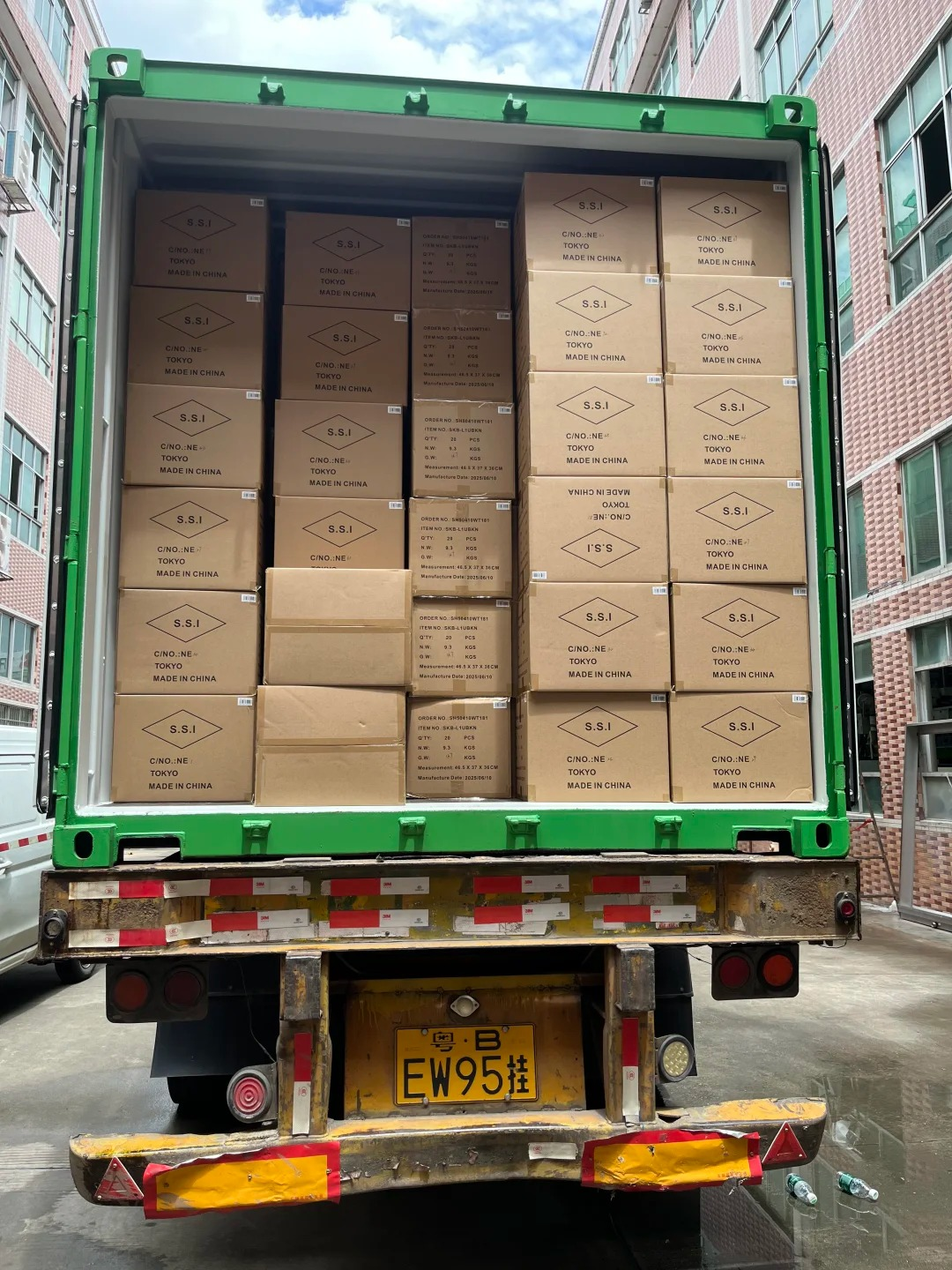
Understanding Cargo Security Risks Across Multimodal Handoffs
Physical vulnerabilities at intermodal nodes: yards, warehouses, and border crossings
Security problems tend to pop up right at those points where cargo switches from one transportation method to another. At border crossings, things get complicated because different countries have their own way of doing things. This leads to all sorts of issues when trying to clear customs or do proper inspections. Warehouses are particularly vulnerable spots too. When goods sit there longer than expected, maybe because of staff shortages or people changing shifts, they become attractive targets for thieves. Freight yards aren't much better either. Many lack good surveillance systems, have dim lighting, and are located far away from populated areas, making it easy for unauthorized individuals to gain entry. These locations naturally attract valuable shipments, which makes them hotbeds for theft activity. And delays only make matters worse. Cargo left sitting in poorly protected storage areas for extended periods becomes much more susceptible to being stolen, tampered with, or damaged by environmental factors.
High-risk cargo handling windows: loading, unloading, stowage, and storage transfers
Cargo theft and damage tend to happen most when stuff is actually moving around. When containers get opened for loading or unloading, that's when bad things can happen fast if there aren't proper checks in place. People might walk off with items if no one is watching closely enough. Bad packing practices during transportation changes cause merchandise to shift around inside vehicles, which damages products and makes trucks and trailers unstable on the road. Most storage transfers need temporary outdoor staging areas, so goods sit out in the rain, snow, or sun while someone forgets to sign paperwork properly. The biggest security issues come from handovers between different transport companies that aren't watched carefully enough, varying quality control standards among logistics firms working together, and who ends up responsible when documents get lost in transit. Time pressure means many facilities rush through security checks instead of doing them right. This problem gets worse at cross docking sites where cargo just moves straight from one truck to another without ever going into a warehouse first. Every time goods change hands adds more risk, so everyone involved needs to coordinate their security measures better throughout the whole supply chain process.
Leveraging Technology for Real-Time Cargo Monitoring and Protection
GPS, RFID, and IoT sensors for end-to-end cargo visibility across transport legs
When GPS tracking gets combined with RFID tags and those little IoT sensors, it basically creates this ongoing digital paper trail for goods moving through different transportation methods. The tech doesn't just tell where things are going but actually keeps tabs on all sorts of environmental factors during transit. We're talking about stuff like temperature changes, humidity levels, when packages get bumped around, tilted at odd angles, or even when doors open unexpectedly. If something goes off track - maybe the truck takes a wrong turn, sits idle somewhere too long, or conditions become dangerous somehow - automated systems kick in with warnings so people can jump on problems fast. A recent report from Transportation Research Part E back in 2023 showed pretty impressive results: businesses that implemented these monitoring systems saw their cargo loss rates drop by roughly 34%. And there's another bonus too. When records transfer digitally from one transport method to another, it eliminates those old paperwork holes where fraudsters used to hide out.
Tamper-evident seals, smart locks, and video surveillance at transfer points
Security at critical transfer points like major ports, rail yards, and distribution hubs gets much better when combining physical and digital defenses. Modern facilities now use electronic seals that meet ISO 17712 standards along with Bluetooth smart locks which spot and record any unauthorized entry attempts. These systems send instant alerts about tampering while keeping important forensic data intact for investigations later. Smart cameras powered by artificial intelligence can actually catch suspicious behavior patterns before anything gets stolen. We're talking about things like someone hanging around containers too long, approaching buildings outside normal hours, or staff moving through restricted areas in strange ways. According to the latest supply chain security report from CSCMP in 2024, companies that combine these tech solutions with their existing access controls see about a 28% drop in cargo theft incidents at transfer locations. Plus, all these different security layers work together to create detailed records showing exactly who had custody of goods during each handoff between transportation modes.
Implementing Risk-Based Cargo Handling and Securing Protocols
Mode-specific cargo stowage, lashing, and protective packaging standards
Different modes of transportation put unique stress on goods, so each needs its own approach to secure them properly. For air freight, packages need to be light but tough enough to handle impacts. They have to meet ISTA 3A standards too. Special lashing systems are used because planes experience turbulence and sudden changes in cabin pressure during flights. When it comes to shipping by sea, containers require twist locks that resist rust, standard corner castings according to ISO guidelines, plus internal padding made specifically to soak up movement from waves hitting the ship. Road transport has different challenges altogether. Companies use heavy duty webbing straps rated for loads, install barriers to prevent swaying side to side, and sometimes incorporate temperature control features such as phase change materials. These setups go through testing based on EN 12195-1 standards regarding lashing forces. Rail transport presents yet another set of problems where cargo needs strong bulkheads between sections, special padding that increases friction, and restraints along the length of the train that can handle forces greater than half a gravity unit when trains accelerate or brake suddenly. Before anything gets shipped anywhere, all these packages undergo rigorous testing including drops, vibrations, and compression simulations that mimic the worst possible handling conditions they might encounter.
Systematic risk assessment across jurisdictions and transport legs
A dynamic, evidence-based risk framework evaluates cargo vulnerabilities across transit phases, geographic regions, and regulatory zones. Logistics teams should conduct quarterly threat assessments mapping:
- High-theft corridors and chronic border crossing delays
- Regional climate extremes affecting cargo integrity
- Jurisdictional variations in liability laws, insurance coverage, and enforcement rigor
- Surveillance blind spots and staffing gaps at key transfer nodes
Proactive measures can be taken against these threats through methods like changing routes regularly, setting up backup locations for supplies, and creating consistent inspection procedures across different departments. Looking at actual incidents as they happen helps improve our protocols. According to recent data from the U.S. Bureau of Transportation Statistics in their 2023 report on transportation crimes, about three quarters of stolen cargo happens when vehicles are parked somewhere. To make sure everyone follows the same rules at every transfer point between teams, we need proper validation processes. Standard checklists help keep things uniform so nobody misses important steps during handoffs between different parts of the supply chain.
Strengthening Stakeholder Coordination and Regulatory Alignment for Cargo Safety
When different groups involved in shipping don't communicate well enough, serious security problems pop up during those complicated cargo transfers between modes of transport. According to some research from the World Economic Forum's 2024 report on supply chain resilience, when everyone follows slightly different rules, companies end up losing around $740k each year on average. These losses happen mostly because paperwork gets messed up, inspections take forever, and nobody agrees on how to check things properly. If we want to fix this mess, there needs to be better coordination across all these players so they can actually work together instead of against each other.
- Establish joint inspection checkpoints at border crossings using harmonized documentation standards (e.g., aligned with WCO SAFE Framework and IMO/ILO/UNECE Guidelines)
- Deploy shared, API-integrated digital platforms—such as those compliant with GS1 EPCIS standards—for real-time cargo tracking and event logging across jurisdictions
- Conduct quarterly cross-agency drills simulating theft, contamination, or cyber-enabled supply chain disruption scenarios
According to the International Chamber of Commerce Trade Facilitation Index from 2023, standardizing rules for handling valuable cargo can cut down on duplicate compliance work by around 40%. Many businesses find themselves stuck doing the same paperwork over and over because different regions have their own requirements. That's where Transportation Management Systems come in handy. These systems automatically update procedures whenever shipping laws get changed internationally, which saves everyone headaches when moving goods between rail and sea or switching from planes to trucks. Paperwork mismatches cost companies tons of money in delays otherwise. Security protocols need regular updates too. Companies should keep talking to all involved parties after incidents happen and track how well things are working. Real world problems and new security risks mean what worked yesterday might not be enough today. Keeping these conversations going helps maintain protection while adapting to changing conditions in global trade.
FAQ Section
- What are the common vulnerabilities in cargo handling areas? Cargo handling areas like warehouses, freight yards, and border crossings face issues such as theft, inadequate surveillance, and regulatory challenges.
- How can technology improve cargo security? Technologies like GPS tracking, RFID tags, and IoT sensors provide real-time monitoring, reduce theft rates, and help in maintaining cargo integrity across transit legs.
- What are tamper-evident seals in cargo security? Tamper-evident seals meet ISO 17712 standards and are used to detect unauthorized entry attempts, ensuring that cargo remains undisturbed.
- Why are mode-specific protocols necessary for cargo protection? Different transportation modes expose cargo to unique conditions, necessitating specific packaging and securing methods to prevent damage.
- What role does stakeholder coordination play in cargo safety? Effective coordination and alignment among stakeholders prevent security issues, reduce compliance costs, and ensure smooth cargo transfers.