 EN
EN

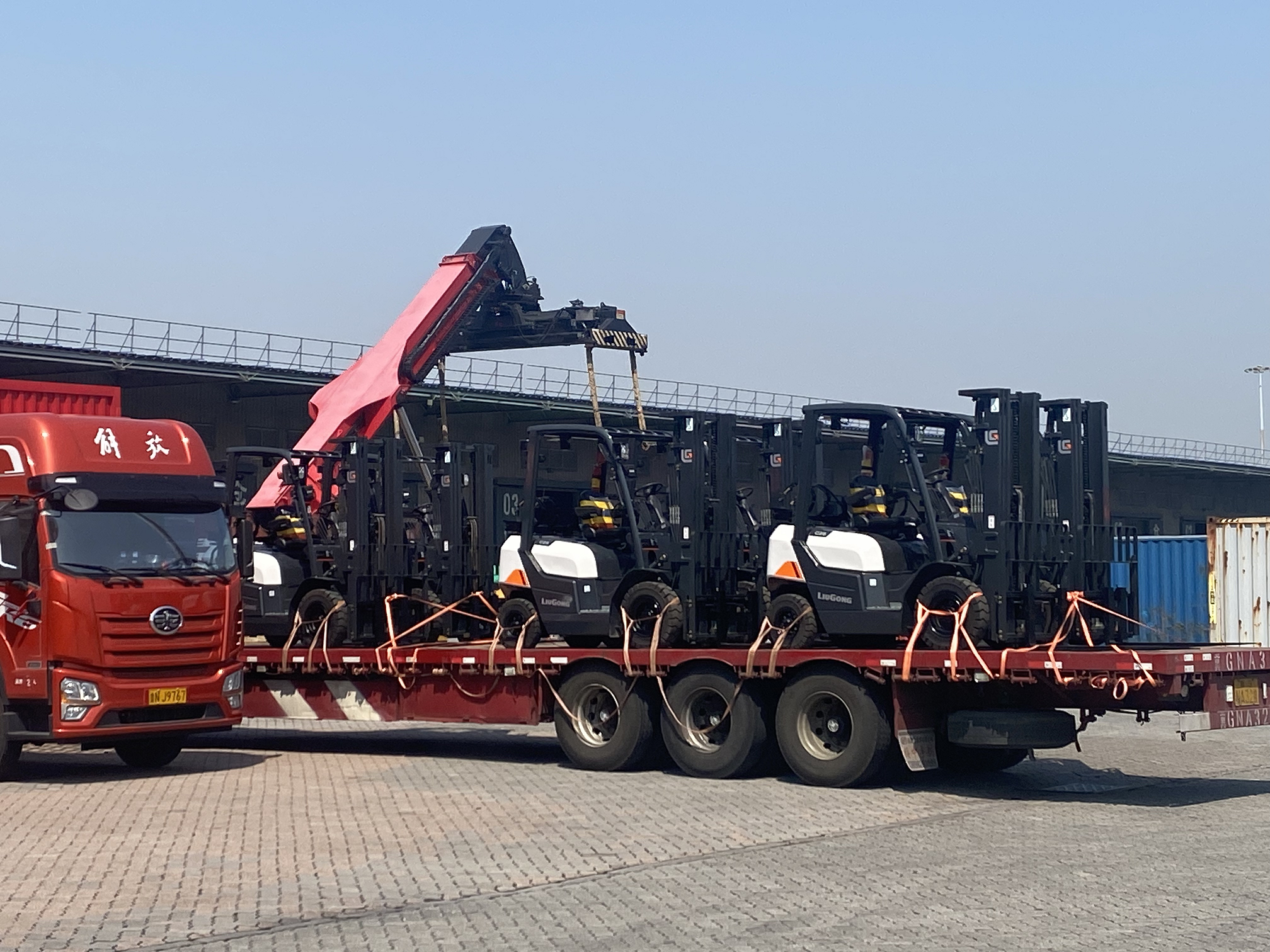
Top 3 Cost-Effective Logistics Solutions for Urgent Shipments
Consolidated Air Cargo with Dynamic Routing
When several different companies' goods get packed together into one big container for planes, this cuts down on shipping expenses quite a bit, maybe around 30 to 40 percent when looking at what it would cost if each company booked their own separate space. The computer systems these days keep checking all sorts of things as they go along flights - stuff like bad weather ahead, how busy airports are getting, even the price of gas for planes - so pilots can take better routes without slowing things down too much. This method helps avoid those extra charges people usually pay when they want something rushed through normal fast service options. Carriers end up filling their planes pretty well too, probably somewhere between 85 and 90 percent full most times. These savings don't just stay with the airlines either; customers actually see lower prices because of this efficiency. For important parts needed quickly in factories or medical supplies that need timely arrival, having reliable delivery schedules becomes more valuable than just being super fast all the time.
On-Demand Last-Mile Micro-Fulfillment Hubs
Urban warehouses positioned within about 15 miles from areas with lots of deliveries help avoid those expensive last minute rush charges that often make up to 70% of what it costs to get packages to people's doors. These smaller storage spots take in goods from different regions all at once and then send out orders using cargo bikes or little electric cars when traffic isn't so bad. Being close to where folks actually live means companies don't have to scramble for last minute big truck deliveries, making the whole system much more dependable. One big name store saved almost half their money on same day deliveries after switching to this approach according to Supply Chain Quarterly last year. For online shopping businesses and companies delivering medicines, having stock nearby really pays off because it stops them from making impulsive shipping choices that cost way too much money.
AI-Powered Freight Brokerage Platforms
These machine learning platforms connect time sensitive shipments with carriers who have spare capacity across over 500 different carriers within just about 90 seconds flat. They look at past performance on specific routes, check real time availability information, and compare current market pricing to find freight space typically around 12 to maybe even 18 percent cheaper than what's going on in the market right now. The automated bidding system takes out those extra fees that human brokers usually add in, and their prediction tools actually catch possible delays before they start costing extra money through surcharges. What this means for businesses is pretty straightforward savings and better control over their shipping costs.
- Instant, multimodal rate comparisons
- Guaranteed capacity access—even during peak seasons
- End-to-end documentation automation, cutting processing time by 80%
Shippers gain real-time transit visibility without paying premium tracking fees—turning urgency into a controllable, cost-efficient process.
Real-Time Visibility: How Logistics Solutions Prevent Emergency Surcharges
Predictive ETAs Reduce Carrier-Imposed Rush Fees
Modern logistics solutions use real-time tracking and AI to shift operations from reactive to proactive. By ingesting live data—such as traffic conditions, port dwell times, and weather disruptions—these systems generate predictive Estimated Times of Arrival (ETAs) with over 90% accuracy. That precision empowers shippers to:
- Reroute shipments proactively—hours before delays materialize
- Dynamically consolidate partial loads to avoid fragmented, expensive moves
- Notify customers early about schedule adjustments, preserving trust
Carriers often tack on rush fees when someone asks for something to be shipped fast at the last minute. But shippers who keep good records of their shipping schedules actually have a better chance to negotiate these extra charges down. They can show the carrier that many of these delays could have been predicted ahead of time, which makes it harder for the carrier to justify charging so much extra money. According to some studies, companies that track their shipments in real time end up paying about 30% less in those emergency shipping fees. Why? Because they catch problems early before they become urgent issues, and this kind of tracking also keeps carriers honest since there's actual proof of what happened during transit.
Rethinking Urgency: Behavioral Insights to Optimize Logistics Solutions
37% of “Expedited” Shipments Lack True Time Sensitivity
More than a third of packages marked as expedited actually don't need fast shipping at all. This happens because people tend to mark things as urgent out of habit, there are mixed up procedures inside companies, or customers just expect everything right away. Money wise, this mistake costs a lot too. Businesses end up paying anywhere from 45 to 60 percent extra for air freight when regular ground shipping or even scheduled ocean transport would work just fine for what they need. New logistics software can spot these issues by looking at shipment details, checking purchase orders, and seeing what happened with past deliveries. When companies put in place automatic sorting rules and systems that check shipments again as needed, they can move about 30 to 40 percent of those wrongly labeled urgent packages into normal shipping lanes. That cuts down on freight costs somewhere around $18k to $35k each month for every million dollars worth of freight moving through their system, without hurting service quality. The real money saver isn't buying faster vehicles or hiring tech wizards to build better algorithms. It starts with simply asking why something was marked as urgent in the first place.
Frequently Asked Questions
What are consolidated air cargo systems?
Consolidated air cargo involves packing goods from different companies into a single container for air transport, reducing shipping costs significantly by sharing space.
How do micro-fulfillment hubs benefit logistics?
Micro-fulfillment hubs near urban areas reduce last-minute delivery costs by using local warehouses, ensuring speedy and reliable last-mile delivery.
What is an AI-powered freight brokerage platform?
An AI-powered freight brokerage platform uses machine learning to connect urgent shipments with carriers, optimizing costs by finding cheaper freight space and predicting delays.
How does real-time visibility help reduce shipping fees?
Real-time visibility allows shippers to track shipments and predict delays, enabling them to negotiate lower rush fees and avoid emergency shipping surcharges.
Why are some expedited shipments unnecessary?
Many expedited shipments are marked urgent due to habitual practices or procedural errors, resulting in unnecessary costs that could be saved with proper logistics analysis.