 EN
EN

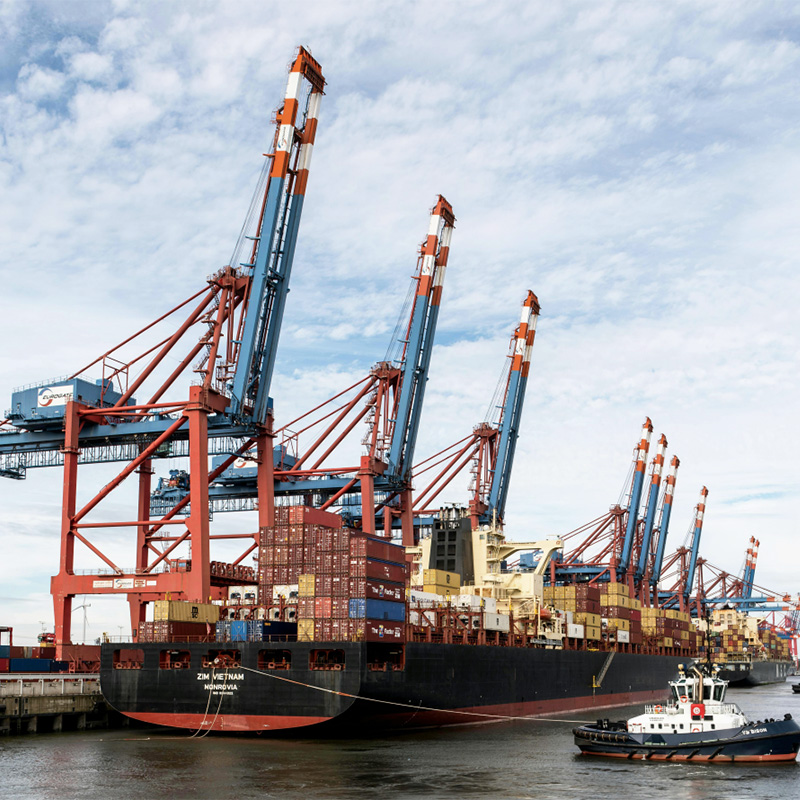
Schedule Reliability: The Benchmark of a Trusted Container Line
Measuring on-time performance and sailing cancellation rates
Scheduled reliability is when a ship arrives at least within a defined time threshold of 24 hours compared to the original schedule. In April 2025, Alphaliner data revealed that the global on-time performance was at 59%, and the highest that it has been since November 2023—that is, still significantly below the pre-pandemic 80-85% average. Sailing cancellation rates shows reliability from the shipper's point of view. When a carrier cancels a sailing, it is the shipper that has to pay for alternative capacity at a higher cost and worse service. Carriers that use schedule padding and reserves tend to have a reliability score of 70% and higher on key trade routes (e.g. Asia-North Europe, Asia-Transpacific). The best service integrity is getting both metrics. Alphaliner and Sea-Intelligence have reliability reports that allow users to objectively compare contracts before signing a long-term contract.
The relationship between inventory costs and supply chain risk due to inconsistency in schedules
Supply chain uncertainties are mitigated through consistent sailing schedules and allow for simultaneous inventory arrivals. This predictability decreases the need for safety stock, which occupies and limits approximately 15-25% of the working capital, and increases both the storage and handling costs. Analysis in this field shows that schedules that lack reliability increase the total costs of logistics by 10-20% as a result of buffer inventory and the need for expedited freight. Reliable transit times prevent manufacturers from having to stop production because the materials needed are delayed and also helps reduce the risk of demurrage and detention fees. These fees are charged when a shipping container is delayed at the docks. When shippers choose carriers whose schedules prioritize consistent reliability, shippers achieve advanced inventory control, decreased costs of carrying inventory, and the savings from reduced disruptions of the supply chain.
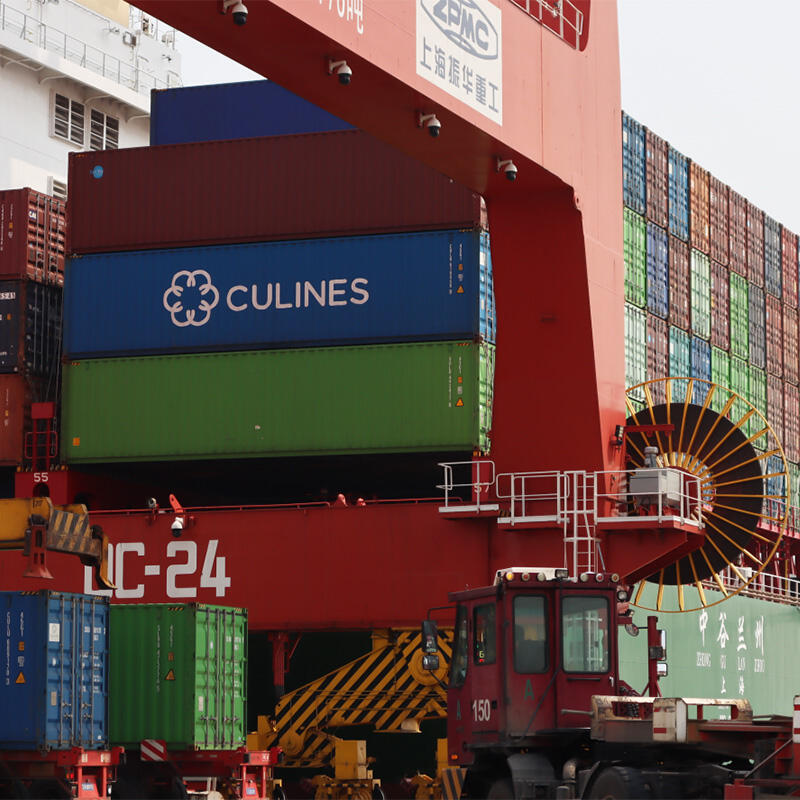
Network Reliability: Coverage, Redundancy, and Port Pair Frequency
Why container lines need global reach and service frequency to be resilient
Fully reliable container lines have extensive global coverage marked by high service frequency, including density and flexibility. Lines that offer multiple service options on several port pairs in a trade lane on a weekly or bi-weekly basis grant shippers built-in redundancy. This is especially helpful if one of the ports is congested or under a regulatory hold, as the freight can be quickly diverted to an alternate port hub. Redundancy on a geographic and temporal basis mitigates the cascading failures in a network. Research from the Journal of Supply Chain Management shows that the addition of one more weekly service on key trade routes (like Asia to the US East Coast) reduces average delays in cargo arrival by 30% and lowers the safety stock level that a company must maintain. The network of services that container lines offer is especially helpful in providing service resiliency due to port strikes, the weather, and disruptions from international trade. Container lines also help shippers achieve better control, planning and predictability in their supply chain activities.
Physical and Regulatory Reliability – Containers, Certifications, and Compliance
CSC, ISO 668, 1496, 6346 and Cargo-Worthy Containers
The starting point of reliability is the container itself. A trusted carrier meets all physical and regulatory standards across regions and modes of transportation. The International Convention for Safe Containers (CSC) requires that every unit undergo periodic safety evaluations, confirmed by official approval plates secured to the unit. ISO standards, in conjunction with the CSC, provide the technical standards. These include ISO 668, with the regulations for dimensions, weight, and stacking; ISO 1496, with the structural design, testing and durability requirements for Series 1 Freight Containers; and ISO 6346, with the controlled identification coding standards for interoperability of the shipping process. These standards, together with the CSC, ensure containers are structurally sound and compliant with requirements of the port and rail authorities, and are interchangeable across carriers and modes of transport. Units that do not comply may be rejected by terminals, cause damage to cargo, or result in the shipping insurance policy being invalid. Before booking containers, especially for sensitive or high-value cargo, shippers will want to check that the CSC plates are current, and also ask for the ISO certifications.
IICL Protocols and Structural Integrity Concerns for the Reuse of Long Haul Containers
For multiple ocean segment and inland drayage long haul operations, the IICL (Institute of International Container Lessors) inspection protocol is the industry standard for determining structural integrity. IICL inspections evaluate the functionality of doors, floor condition, panel corrosion and punctures, corner fitting deterioration, and overall frame integrity, among others. Inspections help determine if a container is fit to be refurbished or retired based on the history of recorded repairs and recorded deterioration. Adhering to the IICL inspection standards helps carriers extend the useful life of containers, reduce failures and service interruptions due to container issues, and reduce mid-voyage reworks. An important consideration is that the commitment to IICL protocols differentiates the discipline of a client carrier from simple compliance. Commitment to IICL protocols translates to schedule reliability and the protection of a client carrier’s cargo. As you analyze providers, determine if they work within the IICL protocols or if they have developed stricter, internal standards, and be sure to request inspection documentation to confirm.
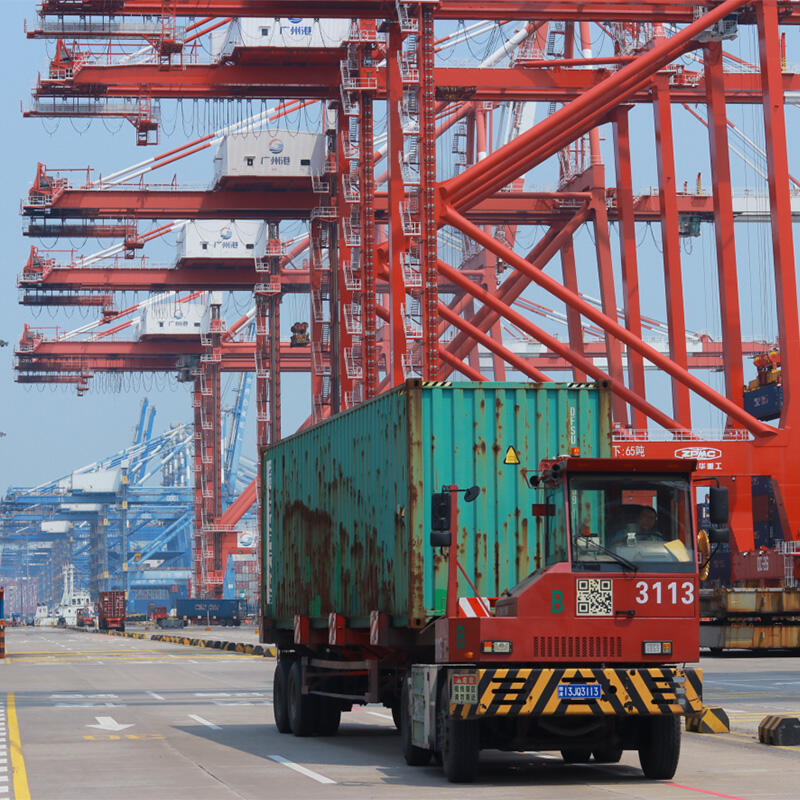
Reliability of Container Lines Over the Long Term: Financial and Operational Stability
Financial stability means a container line can be expected to make the necessary investment to provide reliable service (for example, with the purchase of modern, fuel-efficient vessels) or sustain service through time of sustained demand variability without the need to cancel or withdraw services. Financial statements, agency credit reports (S&P Global, Moody's), and bankruptcy history, including restructurings and claims for losses (including cargo claims and demurrage claims), should reveal sound financial position, adequate cash flow, and acceptable financial leverage. Operational stability is also necessary. Active fleet management entails, for example, fleet age (newer than 12 years), maintenance transparency (class society audits), and crew training consistency (compliance with the IMO and the ISM Code). Container lines that meet these expectations can be expected to maintain their supply chain commitments.
FAQ
What is meant by reliable scheduling in container shipping?
Scheduling in container shipping refers to the container line's ability to depart and arrive within a stated time.
How do shippers measure the reliability of the container line's network?
Shippers measure the container line's network reliability by considering coverage, the number of ports the vessel can call at, and the ability of the container line to transfer cargo to a different port in the network.
Why do ISO and CSC standards support container reliability?
The ISO and CSC standards ensure that containers can be shipped and secured globally. Compliance with these standards improves shipping reliability and reduces the risk of claims for damages on the cargo or at the terminal.
What does the IICL protocol cover during inspections?
In relation to the facility’s structural integrity, the IICL protocol identifies issues with door operability, floor condition, corrosion, panel punctures, and frame stability. The protocol emphasizes the structural integrity of the panels of the containers and frames. It provides an assurance of the containers’ compliance with industry standards for reuse.
Why should shippers consider a carrier's financial and operational stability?
From a shipper’s perspective, a financially stable carrier is able to save costs and invest in a fleet that provides a fuel-efficient service, maintain service consistency, and cushion the carrier from service interruptions that can result from market fluctuations.