 EN
EN

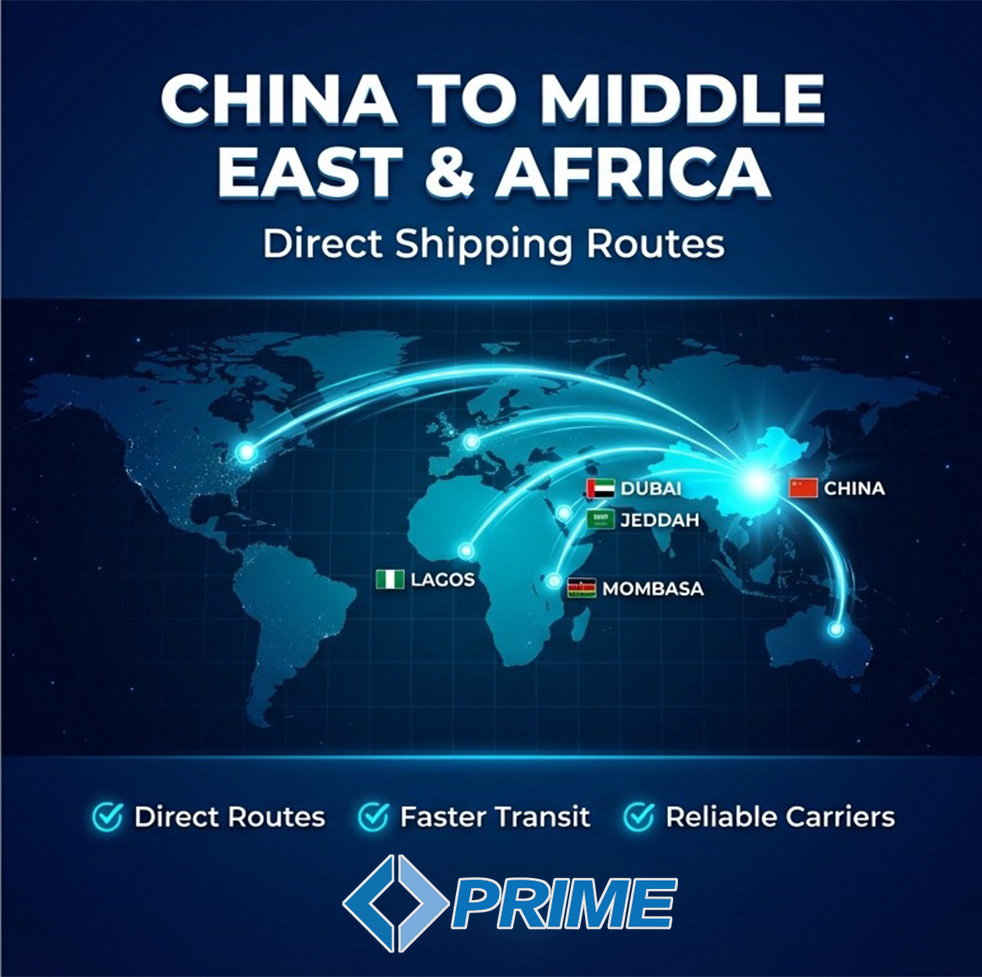
Key Performance Metrics for Evaluating Container Lines on China–Middle East & Africa Routes
Transit Time Consistency and Schedule Reliability
Transit time predictability and schedule adherence are critical when selecting container lines for China–Middle East & Africa corridors. Carriers maintaining over 85% on-time performance significantly reduce supply chain disruptions—unpredictable delays trigger inventory shortages, production halts, and contractual penalties. Real-time tracking systems now enable shippers to monitor deviations from planned schedules, supporting proactive adjustments. During peak seasons, carriers using advanced weather routing algorithms demonstrate 30% fewer delays than the industry average. Consistent transit times also lower warehousing costs by enabling precise inventory planning. Shippers should prioritize carriers that publish historical reliability data and offer guaranteed transit windows—especially for time-sensitive industrial equipment or perishables moving through volatile trade lanes.
Port Coverage Depth: Primary Hubs vs. Secondary African and Gulf Terminals
Effective port coverage balances service to major hubs like Shanghai and Jeddah with access to secondary terminals across Africa and the Gulf. While primary ports handle roughly 70% of regional cargo, they frequently suffer congestion; secondary terminals—including Mombasa, Sokhna, and Salalah—offer direct market access but often at higher cost and with logistical trade-offs. Consider these dimensions:
| Coverage Factor | Primary Hubs | Secondary Terminals |
|---|---|---|
| Service Frequency | Daily sailings | Weekly/bi-weekly rotations |
| Equipment Availability | Guaranteed container supply | Seasonal shortages common |
| Transshipment Needs | Minimal | Often required (adds 3–7 days) |
| Regional Market Access | Limited hinterland reach | Direct inland connections |
Carriers excelling in secondary port coverage reduce transshipment fees by 18%, though this may extend overall transit time. Digital tools that track cargo across multi-terminal networks help mitigate visibility gaps in complex port ecosystems.
Impact of Geopolitical Disruption on Container Line Route Strategy
Red Sea Crisis and the Shift to Cape of Good Hope Loops (2023–2024)
Escalating security threats in the Red Sea since late 2023 forced major operators to reroute approximately 90% of China–Middle East/Africa vessels around Africa’s Cape of Good Hope. This diversion increased average transit times by 7–14 days and raised fuel consumption by 30% per voyage, according to Maritime Intelligence’s 2024 industry assessment. The extended journeys disrupted just-in-time inventory systems across manufacturing and retail sectors, with 68% of shippers reporting contractual penalties due to delayed deliveries.
How Major Container Lines Adapted Network Density and Vessel Deployment
Leading carriers implemented three strategic adaptations to preserve service integrity amid the crisis:
- Network Reconfiguration: Deployed 12% more ultra-large container vessels (ULCVs) on Africa-circumnavigation routes to offset capacity losses
- Port Pairing Adjustments: Prioritized direct calls at deepwater hubs like Tangier Med while suspending secondary East African terminals
- Velocity Optimization: Introduced AI-powered speed management systems to recover 18–36 hours per rotation
These measures increased blank sailings by 22% in Q1 2024 but preserved 85% of original capacity commitments. The table below summarizes key adaptation metrics:
| Adaptation Strategy | Capacity Impact | Transit Time Change |
|---|---|---|
| Vessel Upsizing | +9% | -5% |
| Route Rationalization | -15%* | +12% |
| Digital Optimization | Neutral | -8% |
*Reduction in secondary port calls
Comparative Container Line Profiles: COSCO, Maersk, MSC, and HMM on Key Corridors
Shanghai–Jeddah–Mombasa Service Comparison: Frequency, Equipment Availability, and Digital Tracking
When evaluating container lines for the Shanghai–Jeddah–Mombasa corridor, service frequency is a key differentiator. All four major carriers maintain weekly sailings—but MSC deploys 10% more vessels than the industry average to counter port congestion. Equipment availability remains a persistent challenge, particularly for refrigerated containers handling perishables: COSCO and HMM report 15% higher equipment deficits during peak seasons compared to Maersk. Digital tracking capabilities vary notably—while all offer basic container monitoring, Maersk and MSC provide predictive ETA algorithms validated at 92% accuracy in 2023 logistics benchmarks. Real-time documentation uploads remain inconsistent across carriers, contributing to visibility gaps at African transshipment hubs.
FAQ
What is the importance of transit time consistency for container lines?
Transit time consistency reduces supply chain disruptions, lowers warehousing costs, and supports precise inventory planning. It is particularly critical for time-sensitive shipments like perishables or industrial equipment.
Why should shippers consider secondary port coverage?
Secondary port coverage offers direct market access and reduces transshipment fees, but it may extend overall transit time and involve higher costs compared to primary hubs.
How has the Red Sea crisis impacted shipping routes?
The crisis has diverted approximately 90% of ships around Africa’s Cape of Good Hope, increasing transit times and fuel consumption while disrupting supply chains.
What strategies are carriers adopting amid geopolitical disruptions?
Carriers are upsizing vessels, rationalizing routes to prioritize major hubs, and utilizing AI-powered systems to optimize speed and transit times.
How do Maersk, MSC, COSCO, and HMM compare on logistics performance?
Maersk and MSC excel in predictive digital tracking, while COSCO and HMM face higher equipment deficits. MSC deploys additional vessels to mitigate congestion, enhancing service frequency.
Table of Contents
- Key Performance Metrics for Evaluating Container Lines on China–Middle East & Africa Routes
- Impact of Geopolitical Disruption on Container Line Route Strategy
- Comparative Container Line Profiles: COSCO, Maersk, MSC, and HMM on Key Corridors
-
FAQ
- What is the importance of transit time consistency for container lines?
- Why should shippers consider secondary port coverage?
- How has the Red Sea crisis impacted shipping routes?
- What strategies are carriers adopting amid geopolitical disruptions?
- How do Maersk, MSC, COSCO, and HMM compare on logistics performance?