Room 902-904,9th FL,Jinhua business centre,No.61,1st Donghua road,Jiangmen city,Guangdong province,China +86-18128211598 [email protected]
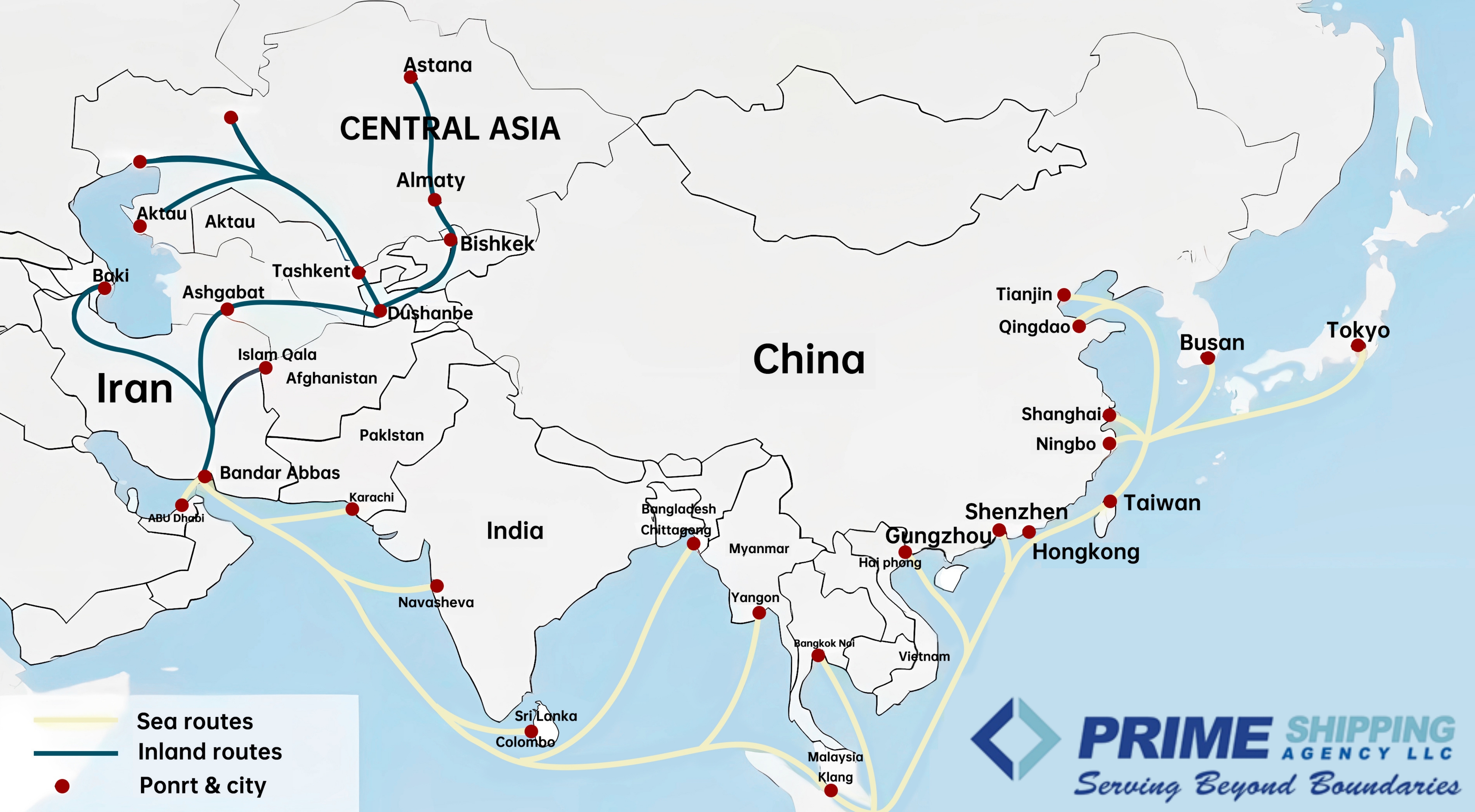
An international public feeder service is a critical component of the global maritime logistics network, specializing in the transport of containers between smaller regional ports and major central hub ports where deep-sea mother vessels are deployed. This model optimizes the mainline carriers' operations by consolidating cargo from various origins onto larger ships, thereby achieving economies of scale on long-haul routes. Unlike carrier-specific feeders, an international public feeder operates on a neutral basis, offering its vessel capacity to multiple shipping lines without preferential treatment, which eliminates conflicts of interest and ensures a level playing field for all clients. The efficiency of an international public feeder network hinges on meticulous route planning, frequent sailing schedules, and the strategic positioning of vessels to minimize transit times and port stays, directly impacting the overall reliability of the intercontinental supply chain. Companies excelling in this segment, such as those with a strong presence in hubs like Dubai, often own their container fleets and secure long-term slot charter agreements, providing them with greater control over equipment availability and operational flexibility. The role of an international public feeder has gained immense importance with the growth of transshipment hubs in regions like the Middle East, Southeast Asia, and the Mediterranean, where cargo is systematically sorted and redistributed to its final destination. Key performance indicators for a successful international public feeder operation include high schedule integrity, low container turnaround times, and the ability to handle complex customs and port formalities across different jurisdictions. In today's volatile market, the neutrality of an international public feeder is a significant advantage, as it allows for collaborations with a diverse array of global carriers, adapting quickly to shifting alliance structures and trade flow patterns. The future development of international public feeder services is closely tied to digital integration, enabling real-time tracking, electronic documentation, and seamless data exchange with mainline carriers and terminal operators. By focusing on reducing feeder legs' costs and enhancing connectivity for secondary ports, a dedicated international public feeder provider adds substantial value to the shipping industry, ensuring that even remote markets are efficiently integrated into global trade routes.
Copyright © 2025 by PRIME INTERNATIONAL FREIGHT SERVICE LTD. - Privacy Policy