 EN
EN

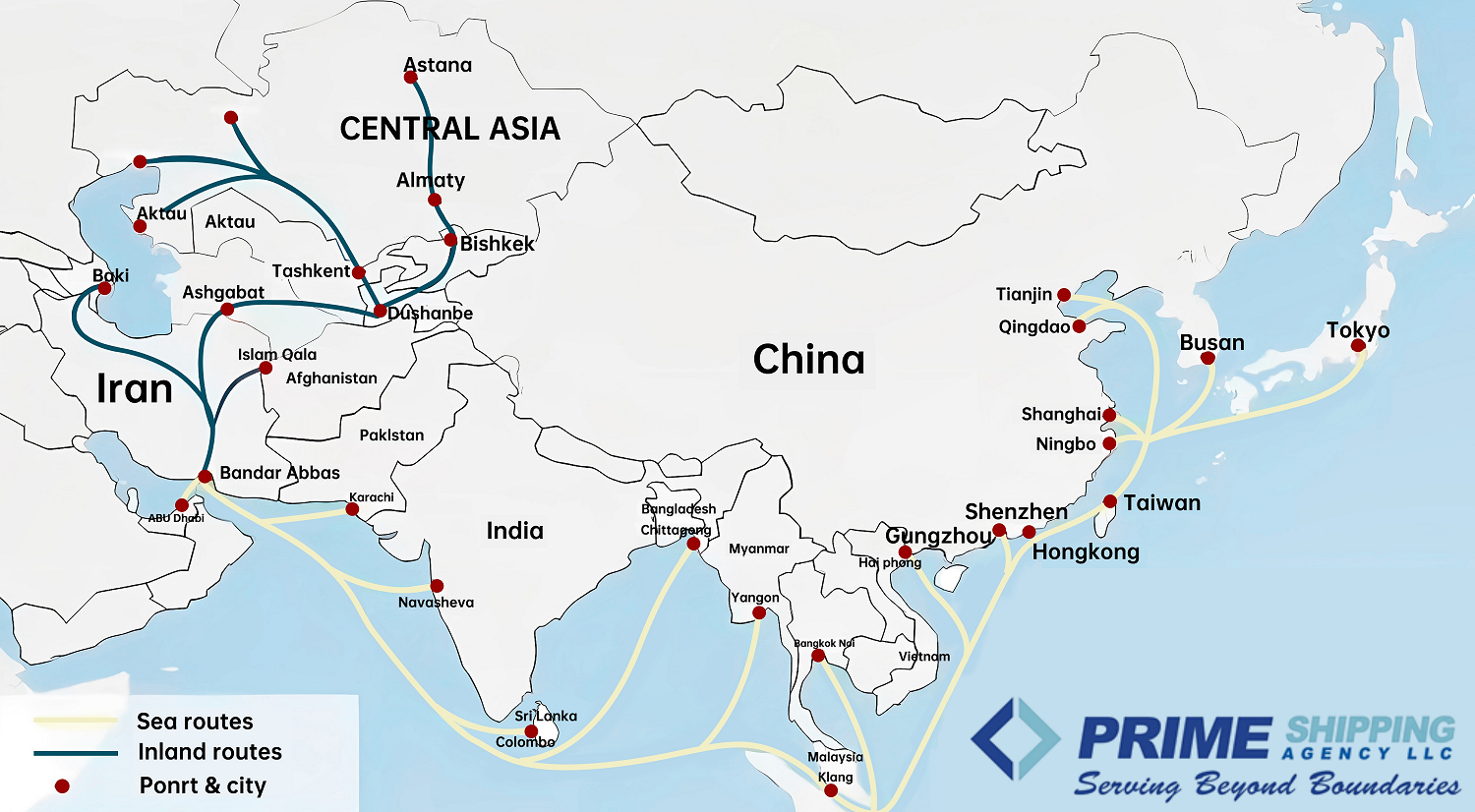
What Is Multimodal Transport and Why It Matters for Cross-Border Shipping
Multimodal transport brings together different ways of moving goods like trains, trucks, ships, and planes all under one contract handled by what's called a Multimodal Transport Operator or MTO for short. Traditional shipping methods usually need separate contracts for every part of the journey, with lots of paperwork passing between carriers. But this single contract system makes things much smoother when moving products across borders. Each transportation method has its own strengths worth noting rail works best for big volumes over land, ships handle long distance moves at lower costs, while planes get stuff there fast when time is critical. When companies consolidate their documents and have one party responsible from start to finish, they save money on customs processing and cut down admin work by about 40 percent according to industry reports. Today's global supply chains are constantly dealing with problems from changing trade rules, poor infrastructure in some regions, and political issues affecting routes. That's where multimodal transport really shines it can quickly switch paths around blockages, making complicated logistics actually work better for businesses trying to stay competitive in today's market.
Key Efficiency Gains: Transit Time, Reliability, and Cost Reduction
30% Fewer Transit Delays Through Integrated Multimodal Networks
Multimodal transportation systems cut down on shipping delays around 30 percent when different transport methods work together smoothly. If ports get backed up and sea freight gets stuck, the system automatically switches to rail or road options without missing a beat, keeping those final deliveries on track through well-coordinated local transport solutions. With containers being tracked in real time, logistics managers can actually respond before problems happen during storms, customs checks, or border holdups that usually cause so much trouble for split shipments across multiple carriers. Better visibility means shippers know what to expect, particularly important for goods that need to arrive on schedule, and also cuts down how long trucks sit waiting at borders. What we end up with is a supply chain that bounces back faster from disruptions, experiences fewer headaches overall, and delivers products within much narrower time frames than traditional approaches allow.
Balancing Upfront Investment with Long-Term Cross-Border Cost Savings
Getting started with multimodal transport does require some upfront spending on tech upgrades and system integration, but most businesses find that their day-to-day savings start making up for this investment around 18 to maybe 24 months down the road. When paperwork gets consolidated, companies tend to save about 15 to 20 percent on those pesky border clearance fees. Switching from truck transportation to rail for moving goods inland cuts both fuel expenses and those annoying carbon taxes that keep going up every year. Moving large volumes directly between big ships and local distribution centers also means lower handling costs per item. All these small improvements stack up over time, and companies that look at the whole supply chain picture rather than just individual segments often see their logistics return on investment jump by roughly 22%. What used to be seen as just another expense item in international shipping is now becoming something that actually gives businesses an edge when competing against others in global markets.
Technology Enablers: AI, IoT, and Real-Time Visibility in Multimodal Logistics
Digital Freight Platforms Cutting Dwell Times at EU-Asia Border Crossings
Freight platforms that go digital are making a big difference in how goods move between Europe and Asia through multiple transport modes. These systems combine artificial intelligence with Internet of Things sensors to track containers as they travel by train, ship, and truck. When it comes to border crossings, predictive algorithms spot potential traffic jams before they happen, so companies can redirect shipments earlier and cut down waiting times at borders by around 30 percent on average. Paperwork gets processed automatically now, and special lanes speed things up at customs checkpoints. Sensors inside containers keep an eye on conditions like temperature changes, moisture levels, and impacts during transit. This helps avoid holdups when transporting delicate items such as medicines or fresh produce. All this constant stream of information lets logistics managers adjust resources on the fly - more trucks here, extra storage space there - which makes better use of equipment and personnel. Despite all the regulations involved in international shipping, these tech solutions help maintain steady movement of cargo across borders.
Optimizing Cross-Border Routes and Schedules via Predictive Analytics
The field of predictive analytics is changing how goods move across borders through better route planning and scheduling decisions based on actual data. When companies look at past performance alongside current conditions like bad weather, crowded ports, or long waits at borders, they can tweak their operations before problems happen. These adjustments cut down delivery times around 20 percent and save fuel money too, which makes business sense and keeps shipments reliable. Take the busy trade lane between Europe and Asia for instance. Smart systems crunching all that data can spot potential customs delays three days ahead of time, giving shippers enough warning to change course if needed. With businesses worldwide increasingly interested in smarter ways to manage cargo flows, experts estimate the market for route optimization solutions will hit somewhere near $9 billion by mid-decade. This shows just how quickly companies are embracing artificial intelligence tools to keep their global supply networks running smoothly despite constant challenges.
Dynamic Route Planning Across Rail, Sea, and Road Corridors
Route planning systems keep adjusting how cargo moves around based on real time info from all parts of the supply network. If sensors pick up traffic jams on trains near borders, the system just switches loads over to ships or trucks automatically while still making sure things arrive on schedule. This kind of flexibility really matters at busy spots such as the Poland-Belarus border area, where smart forecasting has cut down wait times there by almost half. These platforms look at tons of different routes each day considering stuff like what's being shipped, transportation costs, carbon footprints, and legal rules before deciding which mode makes most sense. What we end up seeing? Less waiting around for goods, smaller environmental impact overall, and pretty dependable international shipping operations despite all sorts of unexpected events happening along the way.
FAQ
What is multimodal transport?
Multimodal transport refers to the integration of multiple transportation methods like trains, trucks, ships, and planes under one contract handled by a Multimodal Transport Operator (MTO).
Why is multimodal transport important for cross-border shipping?
It simplifies cross-border movements by consolidating contracts, saving time and money, enhancing flexibility in routing, and improving efficiency in supply chains.
How does multimodal transport reduce transit delays?
By seamlessly switching between transport modes in case of delays, multimodal systems can maintain timely deliveries and reduce transit delays by around 30%.
What role do technology enablers play in multimodal logistics?
Technologies like AI, IoT, and real-time visibility help manage and optimize transportation processes, reduce border dwell times, automate paperwork, and improve decision-making.
How does predictive analytics optimize cross-border routes?
Predictive analytics allows companies to plan routes and schedules based on historical and current data, reducing delivery times by about 20% and ensuring reliability.