 EN
EN

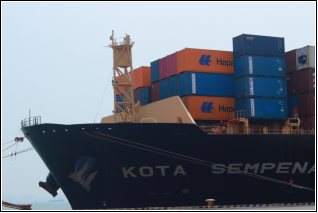
Geopolitical Risk and Route Stability: How the Red Sea Crisis Reshapes Container Line Selection
Red Sea Disruptions and Hormuz Rerouting: Impact on Transit Reliability
The ongoing Red Sea crisis has completely changed how ships move goods between China and the Middle East region. From late 2023 through early 2024, repeated attacks on cargo ships pushed about 9 out of 10 containers onto alternative routes that circle around Africa's Cape of Good Hope. This detour adds anywhere from seven to fourteen extra days to delivery schedules and pushes fuel expenses up roughly 30 percent. Such unpredictable conditions are really shaking up supply chains, making companies look for shipping partners who have shown they can handle crises and adjust their routes when needed. Even though the Strait of Hormuz hasn't seen major issues lately, being so close to these troubled Red Sea areas means carriers working in both regions face compounded risks that keep growing as tensions persist.
Carrier Withdrawals and Risk-Adjusted Network Changes (2023–2024)
In response to escalating threats, major operators reconfigured networks decisively. By Q1 2024, several suspended Red Sea transits entirely, while others deployed dynamic routing algorithms that adjust in real time to threat intelligence and port advisories. These changes triggered three industry-wide shifts:
- Service frequency reductions on China–Gulf routes (down 22% year-on-year)
- Strategic partnerships for shared risk mitigation and capacity pooling
- Introduction of war-risk surcharges–up to $2,500 per container–to cover insurance and security premiums
Collectively, these adaptations signal a structural pivot: geopolitical resilience now anchors container line selection, with reliability metrics outweighing cost alone for mission-critical shipments.
Container Line Performance Comparison: Maersk, COSCO, and MSC on China–Middle East Routes
Transit Time, Port Coverage, and Service Frequency: COSCO's Edge in Shanghai–Jebel Ali
When it comes to shipping between Shanghai and Jebel Ali, COSCO sets the pace with an average transit time of just 18 days. That's roughly 2 to 4 days quicker than what most companies manage. The line operates 12 special monthly voyages that dock right at Shanghai's Yangshan Deepwater Port. This route skips busy transfer points such as Singapore, which cuts down on cargo mishandling issues by around thirty percent. Another advantage comes from COSCO's ownership share in Abu Dhabi's Khalifa Port Terminal. This gives them first dibs on docking spots, so ships don't have to wait anchored offshore for those extra 2 or 3 days that plague other carriers without similar arrangements.
Cost vs. Consistency: MSC's Competitive Surcharges Versus Maersk's Premium Container Line Reliability
MSC generally charges around 15 to 20 percent less than Maersk as a base rate, though they tack on these unpredictable extra fees that can get really expensive sometimes. We saw them hit $420 per TEU back when there was all that chaos in the Red Sea last fall. On the flip side, Maersk keeps things straightforward with their premium pricing model and manages to keep ships on schedule about 99% of the time. That reliability actually saves mid-sized shipping companies roughly $740,000 each year in demurrage costs according to some research from Ponemon Institute in 2023. Sure, MSC works well for those quick spot market loads where timing isn't everything, but Maersk has something special going for them too. Their advanced computer systems and detailed planning across the entire fleet give businesses much better control over delivery timelines, which matters a lot when moving valuable goods under long term contracts.
Operational Resilience: Terminal Integration and Digital Visibility Across Key Middle East Hubs
COSCO's Integrated Terminal Partnerships in Khalifa Port and Dammam
The investments COSCO has made in Khalifa Port located in Abu Dhabi as well as the Dammam terminals show how integrating physical infrastructure can really boost operations during tough times. With these partnerships comes several advantages including getting ships berthed faster, smoother handling of customs paperwork, and better organization of cargo yards. According to recent benchmark reports from 2023, ports with such integrated systems see their ship turnaround times cut down between 15 to 20 percent compared to those without similar arrangements. What makes things even better is the addition of digital tools for visibility, specifically Terminal Operating Systems (TOS). These platforms allow shipping companies to track containers in real time while also predicting potential delays throughout various Middle Eastern ports. When looking at trade routes connecting China with the Middle East region, having both solid infrastructure foundations and access to detailed data transforms traditional logistics approaches from being purely reactive to something much more strategic. This becomes particularly valuable when dealing with unpredictable situations around sensitive areas such as the Strait of Hormuz where alternative routing might be necessary.
Future-Proofing Your Supply Chain: Alternative Gateways and Multimodal Backups for China–Middle East Shipments
The need to diversify transit routes and transport options has become absolutely critical for keeping supply chains running smoothly. Main ports like Shanghai paired with Jebel Ali are especially vulnerable when there are political tensions or canal shutdowns happen. That's why companies should consider alternative gateways ahead of time. Places such as Busan in South Korea, Singapore, and the newer Khalifa Port in UAE provide good backup options with plenty of space and solid connections to land-based distribution systems. Getting different transportation methods working together is just as important. Mixing ocean shipping with rail lines through Central Asia or using air freight for urgent parts makes sense too. Take what happened recently with some shipping delays – companies that switched to combined rail and sea routes saved around 10 to 14 days on delivery times while still keeping costs down. Having agreements already in place with logistics providers about switching between transport modes, along with standard forms for paperwork when taking alternate routes, helps avoid those frustrating customs holdups. Companies that implement these kinds of strategies tend to spend about 20 percent less money dealing with disruptions. Smart container shipping operations now see these alternatives not just as contingency plans, but as regular parts of their everyday operations rather than something to pull out only when things go wrong.
FAQ Section
What is the Red Sea crisis's impact on shipping routes?
The Red Sea crisis has forced approximately 90% of containers to detour around Africa’s Cape of Good Hope, adding 7 to 14 days to delivery schedules and increasing fuel costs by 30%.
How are shipping companies adapting to geopolitical risks?
Companies are reducing service frequencies, forming strategic partnerships, introducing war-risk surcharges, and utilizing dynamic routing algorithms to adjust to real-time threats and port advisories.
Which shipping line provides the fastest service between Shanghai and Jebel Ali?
COSCO offers the quickest service with an average transit time of 18 days and has advantages in docking and cargo handling due to ownership shares in key ports.
Why does Maersk charge a premium over MSC?
Maersk offers a highly reliable service with about 99% on-schedule delivery, saving mid-sized companies significant amounts in demurrage costs, compared to MSC’s lower base rates but unpredictable surcharges.
What are the benefits of integrated terminal partnerships?
Integrated partnerships like those COSCO has formed allow faster berthing, better customs handling, and efficient cargo management, reducing ship turnaround times by 15 to 20%.
Table of Contents
- Geopolitical Risk and Route Stability: How the Red Sea Crisis Reshapes Container Line Selection
- Container Line Performance Comparison: Maersk, COSCO, and MSC on China–Middle East Routes
- Operational Resilience: Terminal Integration and Digital Visibility Across Key Middle East Hubs
- Future-Proofing Your Supply Chain: Alternative Gateways and Multimodal Backups for China–Middle East Shipments
- FAQ Section