 EN
EN

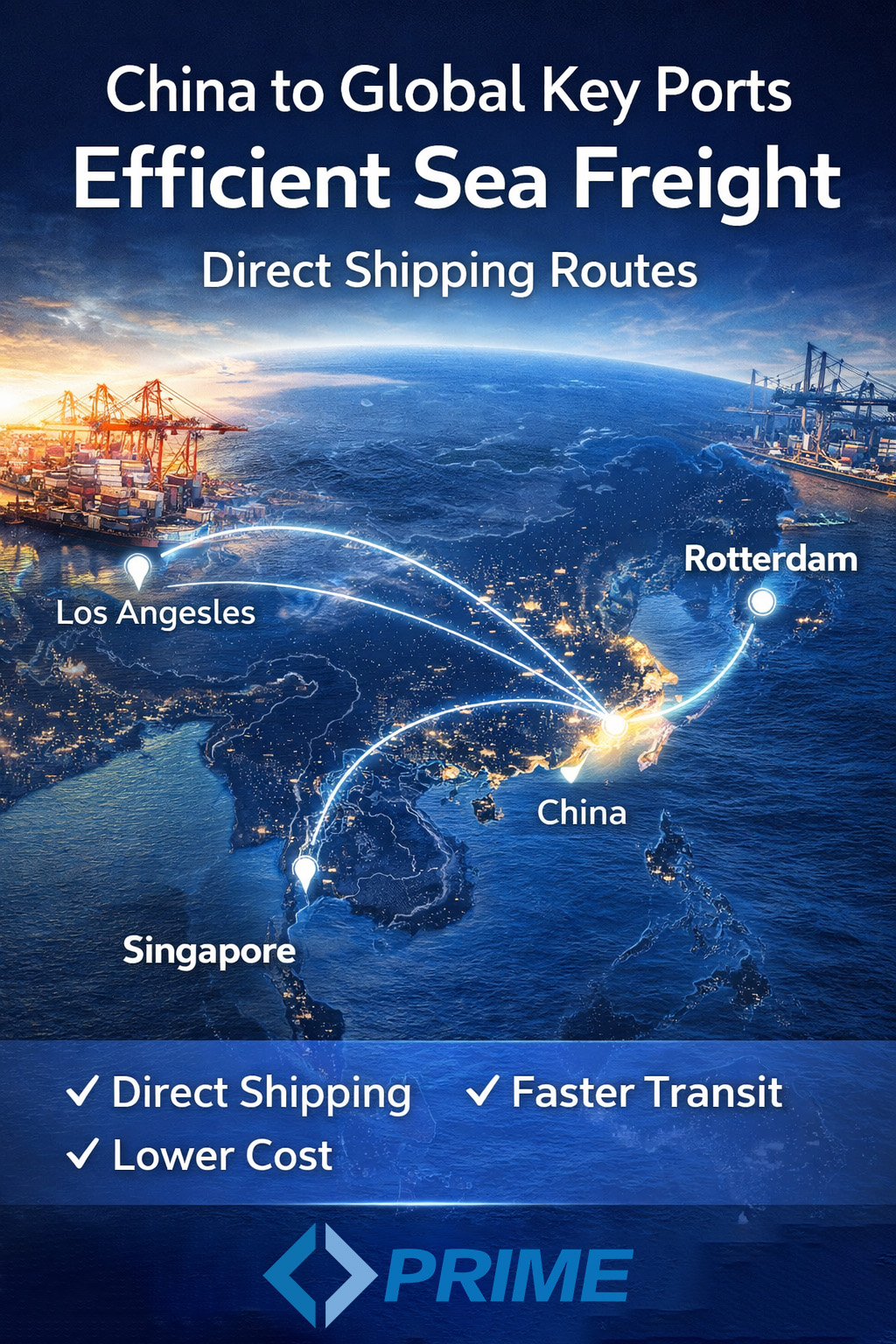
Global Destination Port Realities Impacting Sea Freight Reliability
Terminal Handling Charges, Congestion, and Vessel Turnaround: LA, Rotterdam, Antwerp Compared
Terminal Handling Charges (THC) vary significantly across major ports—directly shaping sea freight costs and schedule reliability. At the Port of Los Angeles, THC averages $120–$150 per container, compounded by chronic congestion that routinely extends berthing delays to 5–8 days during peak seasons. In contrast, Rotterdam maintains moderate THC ($80–$100) but contends with tidal constraints that impose 12–24 hour operational pauses—limiting berth availability despite strong infrastructure. Antwerp stands out with competitive THC ($70–$90), 24/7 operations, and streamlined processes enabling vessel turnarounds under 28 hours. These structural differences translate directly into reliability gaps: LA experiences ~25% schedule deviation, while European hubs like Rotterdam and Antwerp average closer to 12%, per data from the World Bank’s Container Port Performance Index and Drewry’s 2023 Global Container Terminal Report.
Optimizing Transit Time and Predictability in Sea Freight Operations
Schedule reliability across major container carriers remains at just 50–55%, well below the 75%+ benchmarks observed pre-pandemic—a shortfall rooted in port bottlenecks, labor volatility, and legacy planning systems. This unpredictability inflates inventory carrying costs and disrupts time-sensitive product launches. To counter this, forward-thinking shippers integrate AI-powered predictive analytics that synthesize historical voyage data, AIS tracking, weather forecasts, and port performance metrics to anticipate delays and recommend optimal routing. Complementing this, automated terminal operations—such as remote-controlled cranes and digital yard management—accelerate cargo handling, while robust intermodal coordination ensures efficient transfers between vessels, rail, and drayage. Together, these strategies reduce transit time variability by up to 30% and support fuel-efficient sailing profiles, as validated by Maersk’s 2023 Operational Efficiency Pilot and the International Maritime Organization’s Guidelines on Just-in-Time Arrival.
FAQ
What are Terminal Handling Charges (THC)?
Terminal Handling Charges are fees assessed by ports for the handling of containers, which include loading, unloading, and any organization required for the safe handling of cargo.
How do port bottlenecks affect sea freight reliability?
Port bottlenecks can lead to significant delays in vessel berthing and cargo unloading, affecting the overall schedule reliability of sea freight operations.
What strategies can improve sea freight transit time?
Integrating AI-powered predictive analytics and automated terminal operations, along with robust intermodal coordination, can significantly reduce transit time variability.